


For many owners, pets are part of the family, so it is natural to want them included in holidays too. Whether you’re planning a staycation, a road trip, a ferry crossing or a holiday abroad, travelling with a dog or cat takes preparation, much more than simply packing their lead, food and favourite blanket.
From a veterinary perspective, the most important question is not just “Can my pet come with me?” but “Will this journey be safe, comfortable and in their best interests?”
Some pets cope brilliantly with travel and enjoy being part of the adventure. Others may find changes in routine, transport, heat, unfamiliar environments or separation from home very stressful. The right planning can make a big difference to their health, welfare and your peace of mind.
If you’re searching for advice on:
- taking a dog on holiday
- taking a cat on holiday
- travelling abroad with pets
- taking pets to Europe
- keeping pets calm while travelling
- pet travel health checks
- vet advice before pet travel
This guide covers the key things to consider before you go.
Should You Take Your Pet on Holiday?
Before booking pet-friendly accommodation or planning your route, it is worth thinking honestly about your pet’s individual needs.
A holiday may be suitable for pets who are:
- Confident in new places
- Comfortable travelling by car, train, ferry or plane
- Healthy and mobile
- Used to being handled and managed away from home
- Not overly stressed by unfamiliar people, animals or environments
However, travel may be more difficult for:
- Elderly pets
- Puppies or kittens
- Pets with chronic health conditions
- Very anxious dogs or cats
- Brachycephalic breeds, such as French Bulldogs, Pugs or Persian cats
- Pets who struggle with heat, motion sickness or confinement
In some cases, staying at home with a trusted sitter, family member or boarding provider may be kinder than taking them away. A vet can help you weigh up the risks based on your pet’s health, temperament and destination.
Planning a Pet-Friendly Holiday in the UK
UK holidays can be a great option for dogs, especially if the destination offers safe walks, pet-friendly accommodation and access to outdoor space.
Before travelling, check:
- Your accommodation allows pets and has secure outdoor areas
- Local beaches, parks or attractions are dog-friendly
- Your pet’s microchip details are up to date
- Flea, tick and worm protection is current
- You know where the nearest vet practice is
- Your pet is comfortable travelling in the car
- You have enough regular food and medication for the full trip
Cats can travel too, but they are often more sensitive to changes in environment. For many cats, a short holiday away from home may be more stressful than enjoyable. If you are taking a cat away, they will need a secure carrier, a quiet room to settle in, familiar bedding, their usual litter and careful supervision to prevent escape.

Taking Pets Abroad on Holiday
Taking pets overseas requires extra preparation, even for short trips.
Entry requirements vary depending on the country, and rules can change, so it is important to check current guidance well in advance of travel.
You may need to plan for:
- Microchip checks
- Rabies vaccination
- Animal Health Certificates or other travel documents
- Tapeworm treatment for dogs when required
- Parasite risks at your destination
- Suitable transport arrangements
- Airline, ferry or rail carrier requirements
- Access to veterinary care while away
The earlier you start preparing, the less stressful it will be. Some requirements have strict timings, and last-minute travel can be difficult if vaccinations, certificates or treatments are not in place.
Health Checks Before Travelling
A pre-travel veterinary check is strongly recommended before taking your pet on holiday, especially if you are going abroad.
A vet can help assess:
- Whether your pet is fit to travel
- Vaccination status
- Parasite protection
- Any travel-related risks linked to age, breed or health conditions
- Medication needs
- Motion sickness or anxiety
- Heat tolerance
- Destination-specific disease risks
For pets with ongoing conditions, it is also sensible to carry a copy of their medical history and ensure you have enough medication for the full trip, plus a little extra in case of delays.
Travel Stress and Anxiety
Travel can be stressful for pets, even if the destination is enjoyable once they arrive. Dogs and cats rely heavily on routine, scent and familiarity, so sudden changes can affect their behaviour and wellbeing.
Signs of travel stress may include:
- Panting or pacing
- Trembling
- Vocalising
- Drooling
- Hiding
- Refusing food
- Vomiting or diarrhoea
- Over-grooming
- Toileting accidents
- Restlessness or disturbed sleep
Preparation can help reduce stress. This may include short practice journeys, positive carrier training, familiar bedding, calm handling and keeping routines as consistent as possible.
It is important not to sedate pets for travel without veterinary advice. Sedatives can affect balance, breathing, temperature regulation and how pets respond during transport. In many cases, behaviour preparation and carefully chosen calming strategies are safer and more effective.
Travelling by Car with your Pet
For many holidays, the car is the easiest way to travel with pets. However, car travel still needs planning.
To keep pets safe and comfortable:
- Use a secure carrier, crate, harness or dog guard
- Never allow pets to travel loose in the car
- Plan regular breaks for dogs
- Offer water frequently
- Avoid feeding a large meal just before travel
- Keep the car well ventilated
- Never leave pets unattended in a parked car
- Watch for signs of motion sickness or stress
Even on mild days, cars can heat up quickly. Heatstroke is a serious emergency and can be fatal. If your pet is panting heavily, drooling, weak, confused, vomiting or collapsing, seek veterinary help immediately.
Flying With Pets
Some overseas holidays may involve flying your pet. Whether this is suitable depends on your pet, destination, airline, route and how the journey is managed.
Flying may not be right for every pet, particularly those with breathing difficulties, severe anxiety or complex medical needs. However, when properly planned, air travel can be safe for many pets.
The key welfare considerations are:
- Fitness to fly
- Breed and breathing risk
- Carrier suitability
- Temperature and route planning
- Time spent in transit
- Stress reduction before travel
- Correct documentation
Pets should be introduced to their travel carrier well before departure. The carrier should feel familiar, safe and comfortable, not like something that only appears on stressful days.
Heat, Hydration and Climate
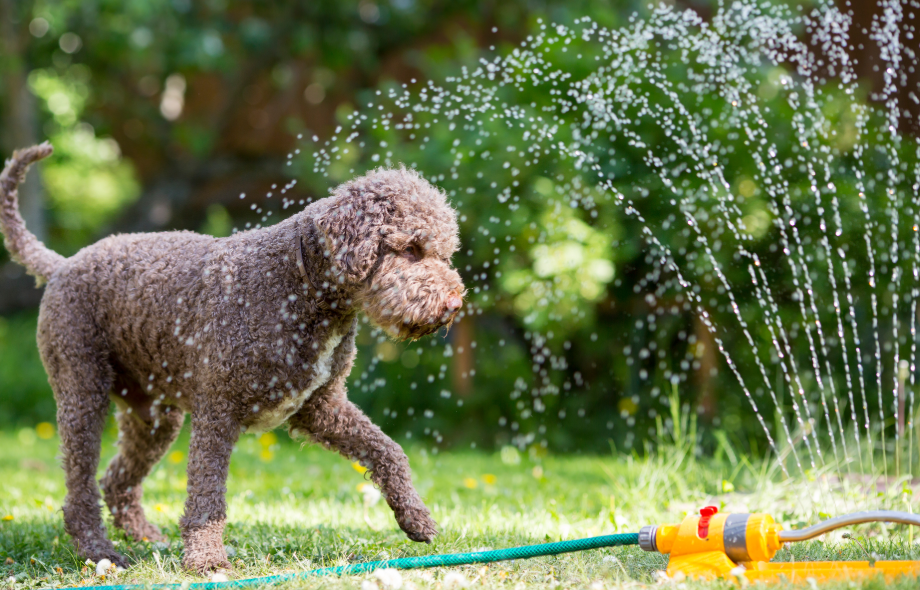
Holidays often mean warmer weather, which can create extra risks for pets.
Dogs and cats can struggle with heat, especially if they are older, overweight, very young, flat-faced, long-haired or have heart or breathing problems.
To reduce risk:
- Avoid exercising dogs in the hottest part of the day
- Provide shade and fresh water at all times
- Keep pets out of hot cars, conservatories and tents
- Be careful on hot pavements or sand
- Watch for excessive panting, lethargy or weakness
- Keep cats indoors during extreme heat if needed
If you are travelling abroad, your pet may also be exposed to parasites and diseases not commonly seen in the UK.
Speak to a vet about appropriate protection before you travel.
Food, Medication and Digestive Upsets
Changes in food, water, routine and environment can upset a pet’s digestion. Vomiting or diarrhoea on holiday is not uncommon, but it can become serious if your pet becomes dehydrated, lethargic or unable to keep water down.
Pack:
- Enough of your pet’s usual food
- Bowls
- Medication
- A copy of prescriptions
- Treats they are used to
- Poo bags or litter supplies
- A basic pet travel kit
- Details for local veterinary help
Avoid making sudden diet changes while away unless advised by a vet. If you do need to change food, do so gradually where possible.
Cats on Holiday: Extra Considerations
Cats are often more attached to territory than to travel. While some cats are confident travellers, many find holidays stressful.
If taking a cat on holiday, think carefully about:
- Whether the journey is truly necessary
- How secure the accommodation is
- Risk of escape
- Access to litter trays
- Familiar bedding and hiding places
- Whether they will be exposed to unfamiliar animals
- How quickly they settle in new spaces
- Preventing sunburn (yes, cats get sunburn too)
For most cats, a calm, familiar home environment with a trusted sitter may be less stressful than travelling. If your cat must travel, preparation and containment are essential.
When to Speak to a Vet While You’re Away
You should seek veterinary advice if your pet shows:
- Repeated vomiting or diarrhoea
- Breathing difficulty
- Collapse or severe weakness
- Signs of heatstroke
- Difficulty urinating
- Sudden lameness or injury
- Eye injuries or severe irritation
- Seizures
- Persistent refusal to eat
- Unusual behaviour that concerns you
When you are away from your usual vet, it can be difficult to know what needs urgent attention. Access to 24/7 veterinary advice can help you decide whether your pet needs local in-person care or whether you can safely monitor them with guidance.

How PawSquad Can Help While You’re Travelling
PawSquad gives pet owners holidaying in the UK access to UK-registered vets through video, voice and secure chat, 24 hours a day.
This can be especially helpful when you are on holiday and need advice about:
- Vomiting or diarrhoea
- Skin irritation
- Minor injuries
- Travel stress
- Heat concerns
- Medication questions
- Whether to find a local vet urgently
- Behaviour changes in an unfamiliar place
Having a vet available while you are away can give you reassurance and help you make calm, informed decisions about your pet’s health.
How PetAir UK Can Help With Holidays Abroad
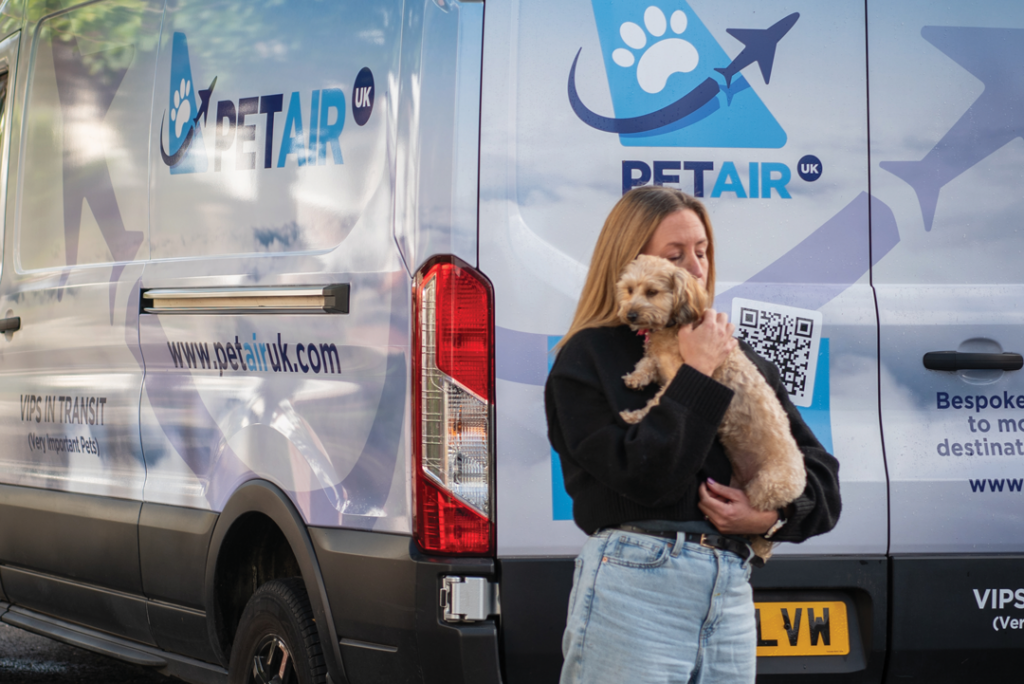
For owners planning more complex overseas travel, our sister company PetAirUK can help with specialist pet travel arrangements, including international routes, travel logistics and pet welfare planning.
This is particularly useful if your pet is flying, if the destination has specific entry requirements, or if the journey involves more than a straightforward short trip.
Together, PetAir UK and PawSquad help support both the practical and veterinary sides of taking pets abroad safely.

Final Vet Advice: Plan Around Your Pet, Not Just the Holiday
The best pet-friendly holiday is one that works for your pet as well as for you.
Before you travel, ask:
- Is my pet healthy enough for this journey?
- Will they cope with the transport?
- Will the destination be safe and suitable?
- Do I understand the paperwork and health requirements?
- Do I have access to veterinary advice if something goes wrong?
- Would my pet be happier staying at home?
Taking pets on holiday can be a wonderful experience, but their welfare should always come first. With early preparation, sensible planning and veterinary support, you can help keep your dog or cat safe, comfortable and well throughout the journey.
Frequently Asked Questions
Can I take my dog abroad on holiday?
Yes, but you will need to check the current entry requirements for your destination and make sure your dog is fit to travel. You may need vaccinations, parasite treatment, an Animal Health Certificate if travelling in the EU, or other documentation.
Can I take my cat on holiday?
Some cats can travel, but many find it stressful. If your cat is anxious, elderly, unwell or likely to escape in a new environment, staying at home with a trusted sitter may be kinder.
Does my pet need a health check before travel?
A health check is strongly recommended, especially for older pets, pets with medical conditions, flat-faced breeds and any pet travelling abroad.
How can I reduce my pet’s travel stress?
Introduce travel carriers early, build up short journeys gradually, keep routines familiar, avoid sudden diet changes and speak to a vet if your pet has significant anxiety or motion sickness.
What should I pack for my pet’s holiday?
Pack their usual food, medication, bowls, bedding, lead or harness, poo bags or litter supplies, travel documents, microchip details, insurance information and details for veterinary support.
What if my pet becomes unwell on holiday?
Seek veterinary advice promptly if your pet is very unwell, has breathing problems, repeated vomiting or diarrhoea, heatstroke signs, collapse, injury or difficulty urinating. If you’re in the UK, our 24/7 vet advice service can help you decide what to do next.