
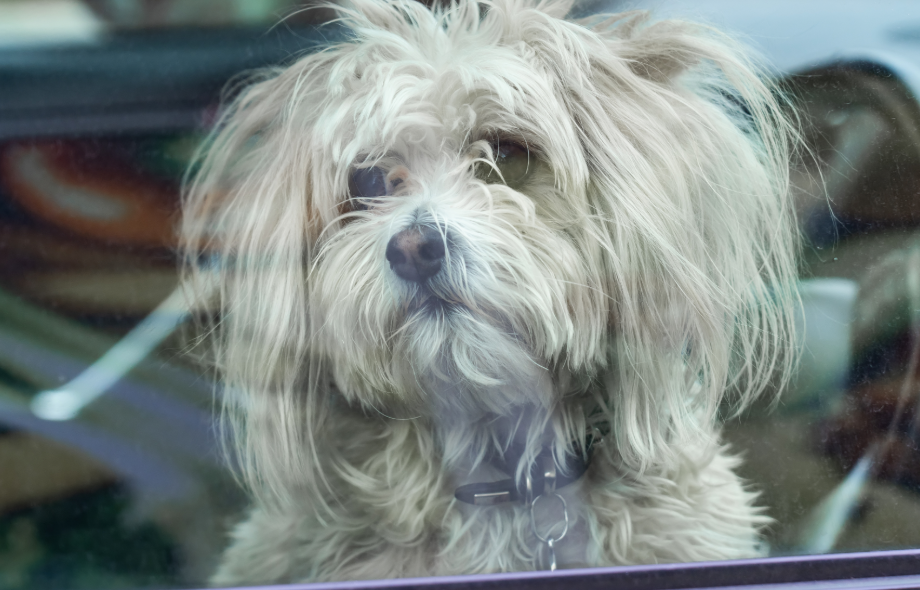
Most dog owners know they should never leave a dog in a hot car.
But what many people underestimate is how quickly a car can become dangerous, even on a mild UK day.
From a veterinary perspective, this is one of the most preventable causes of heatstroke in dogs. It does not need to be a heatwave. It does not need to be the middle of summer. It does not even need to feel especially hot outside.
If a dog is left inside a parked car, the temperature can rise rapidly and their body may not be able to cope.
Why Cars Become Dangerous So Quickly
A parked car acts like a greenhouse. Sunlight passes through the windows, heats the surfaces inside, and that heat becomes trapped.
Opening the window slightly or parking in the shade does not make it safe. Shade moves, air flow is limited, and the inside of the vehicle can still heat up much faster than people expect.
The RSPCA warns that when it is 22°C outside, the temperature inside a car can reach 47°C within an hour. That is hot enough to cause serious suffering, organ damage and death.
In veterinary terms, the risk is not only the final temperature. It is the speed at which the dog’s body temperature can rise.
Why Dogs Are So Vulnerable to Heat
Dogs do not cool down in the same way humans do. They mainly regulate their temperature by panting, with some heat loss through their paw pads. This is much less efficient than sweating.
Inside a warm car, panting becomes less effective because the surrounding air is already hot and ventilation is poor. The dog may become distressed, which increases movement, heart rate and body temperature even further.
This can quickly become a dangerous cycle:
- The dog gets warm
- They pant harder
- Stress increases
- Body temperature rises
- Panting becomes less effective
- Heatstroke develops
Heatstroke is a medical emergency. Once a dog’s body temperature becomes dangerously high, organs can start to fail.
Read more about how temperature effect pets in our blog: How hot is too hot?
“I’ll Only Be Five Minutes” Can Still Be Too Long
One of the biggest risks is assuming a short stop is harmless.
A quick trip into a shop, paying for fuel, collecting something or waiting for someone can easily take longer than expected. In that time, the car temperature may rise sharply.
Even if your dog looks calm when you leave, they may become distressed once they realise they are alone, especially if they are warm, confined or unable to escape the heat.
From a welfare point of view, there is no safe amount of time to leave a dog unattended in a car on a warm day.
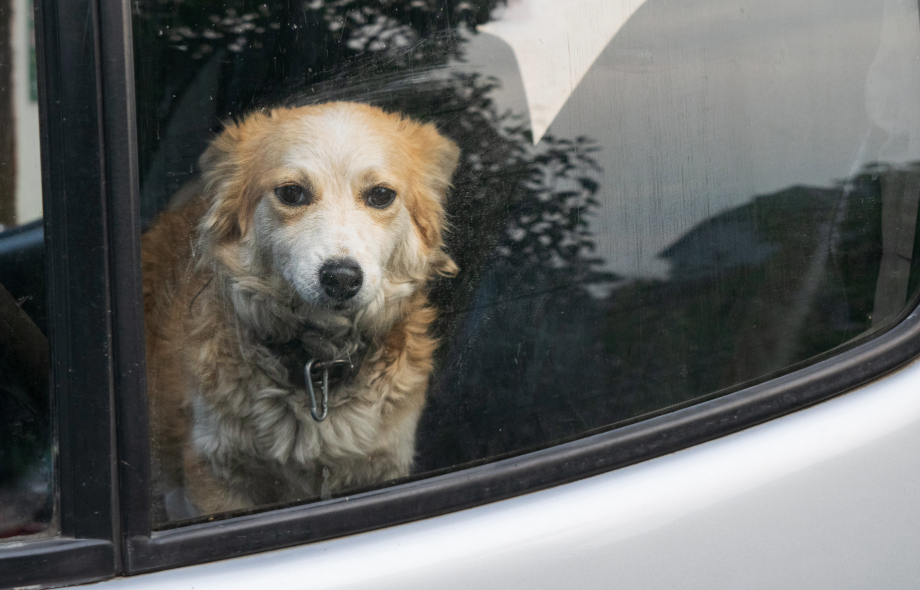
Even UK Weather Can Be Dangerous
UK weather can be deceptive. A breezy 18°C to 22°C day may not feel dangerous to us, but inside a parked car the conditions can be very different.
Dogs are also at risk in other enclosed spaces, including:
- Conservatories
- Caravans
- Tents
- Outbuildings
- Vans
- Garden rooms
- Rooms with poor ventilation
Any enclosed space can become dangerous if heat builds up and the dog cannot move somewhere cooler.
Dogs at Higher Risk of Heatstroke
Any dog can develop heatstroke, but some are at higher risk.
Take extra care with:
- Flat-faced breeds, such as Bulldogs, French Bulldogs, Pugs and Shih Tzus
- Older dogs
- Puppies
- Overweight dogs
- Dogs with heart or breathing problems
- Dogs with thick coats
- Dogs with previous heat intolerance
- Very anxious dogs
- Dogs recovering from illness or surgery
The British Veterinary Association advises particular caution with older dogs, overweight dogs, flat-faced breeds and dogs with known heart or lung problems during hot weather.
For these dogs, even mildly warm conditions can become dangerous quickly.
Signs of Heatstroke in Dogs
Early signs of overheating may be subtle, but they can progress rapidly.
Watch for:
- Heavy panting
- Restlessness or agitation
- Drooling
- Bright red or very pale gums
- Fast breathing
- Weakness
- Staggering or wobbliness
- Vomiting or diarrhoea
- Confusion
- Collapse
- Seizures
If you see these signs, treat it as urgent. Vets Now lists excessive panting, drooling, weakness, vomiting, diarrhoea, seizures and collapse as possible signs of heatstroke in pets.
What to Do If Your Dog Overheats
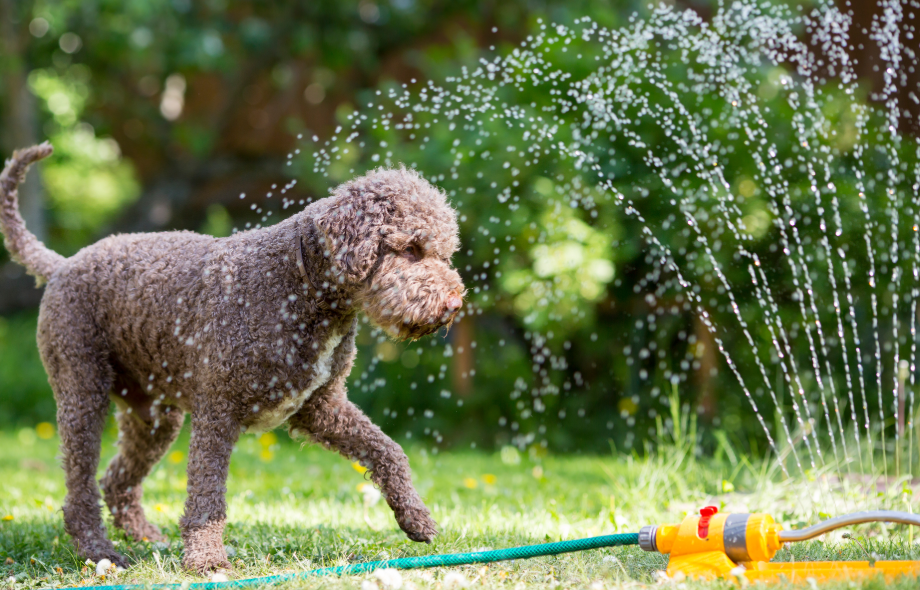
If you think your dog may be overheating, act immediately. Move them away from the heat and into a cool, shaded, well-ventilated area.
Begin cooling them straight away with cool water and create air movement using a fan or open doors where possible. Offer small amounts of cool water to drink, but do not force them.
Do not cover them with wet towels, as these can trap heat.
Do not use ice-cold water or ice baths, as this may cause blood vessels to constrict and can make cooling less effective.
The current emergency advice from welfare and veterinary organisations is often summarised as “cool first, transport second”, meaning you should begin active cooling immediately before travelling to the vet. The RSPCA advises stopping further heating, removing the dog from the hot vehicle or building, and getting them out of the sun straight away.
Once cooling has started, contact a vet immediately. Even if your dog appears to recover, heatstroke can cause internal damage that may not be obvious straight away.
What If You See a Dog in a Hot Car?
If you see a dog left in a car and you are concerned, assess the situation quickly and calmly.
If the dog is showing signs of distress or heatstroke, call 999 and ask for the police.
Heatstroke can become fatal quickly, so this should be treated as an emergency. If the dog does not appear distressed but you are worried, try to locate the owner.
For example, if the car is in a supermarket or retail car park, ask staff to make an announcement. Continue monitoring the dog closely.
Avoid breaking into the vehicle unless you have been advised to do so by the police, as this could be treated as criminal damage.
How to Avoid the Risk Completely
The safest advice is simple: never leave your dog unattended in a car on a warm day.
Before travelling, plan ahead:
- Take someone with you who can stay with the dog outside the car
- Use drive-through or pet-friendly options where possible
- Avoid travelling during the hottest part of the day
- Keep water in the car
- Use air conditioning while driving
- Make sure your destination allows dogs
- Leave your dog safely at home if you cannot take them with you
Skipping a trip or changing your plans is always better than risking heatstroke.
Final Vet Advice
Dogs in hot cars are not just uncomfortable. They are at risk of a life-threatening emergency.
Even in the UK, even on a mild day, and even for a short time, a parked car can become dangerously hot. Dogs cannot cool themselves efficiently in those conditions, and heatstroke can develop quickly.
If you are unsure whether it is safe to leave your dog in the car, the answer is simple: do not do it.
Your dog is safest somewhere cool, shaded, ventilated and supervised.
Frequently Asked Questions
How quickly can a car become dangerous for a dog?
A car can become dangerously hot very quickly, even on a mild day. When it is 22°C outside, the inside of a car can reach 47°C within an hour, according to the RSPCA.
Is it safe to leave a dog in the car with the windows open?
No. Leaving the windows open slightly does not provide enough ventilation to make a warm car safe for a dog.
Is it safe if I park in the shade?
No. Shade can move, the car can still heat up, and the inside temperature can rise quickly even if it does not feel very hot outside.
What temperature is too hot to leave a dog in a car?
There is no safe temperature for leaving a dog unattended in a parked car on a warm day. Even mild UK temperatures can become dangerous inside a vehicle.
What are the first signs of heatstroke in dogs?
Early signs may include heavy panting, drooling, restlessness, fast breathing, weakness, vomiting, diarrhoea or wobbliness. Collapse or seizures are severe emergency signs.
What should I do if my dog overheats?
Move them to a cool, shaded area, start cooling with cool water, create airflow, offer small amounts of water and contact a vet immediately.