

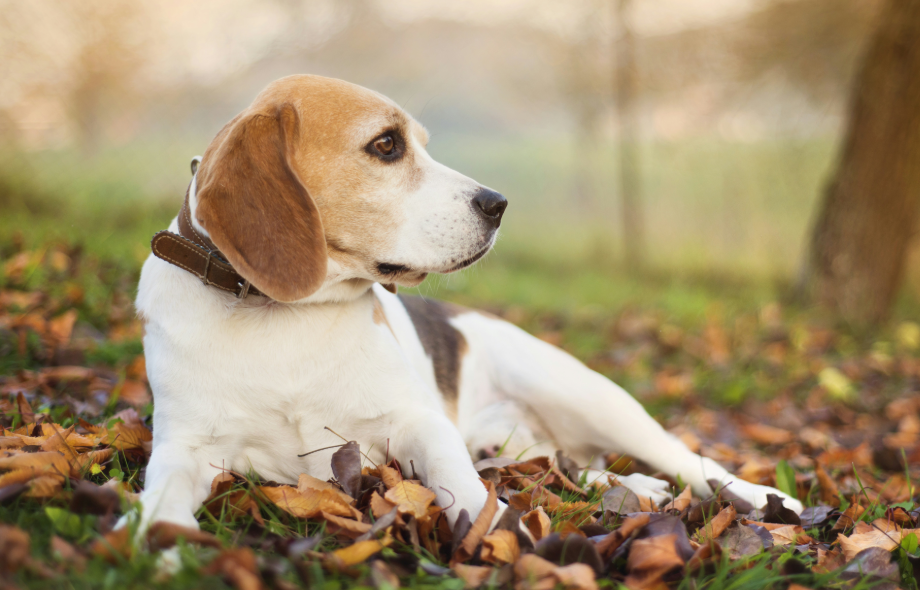
A dog taking a little longer to get up. A cat choosing the chair instead of jumping straight onto the windowsill. A walk that gradually becomes shorter. These changes can be easy to put down to age, colder weather or simply a pet becoming less active.
Sometimes that is exactly what is happening. But changes in movement can also be an early sign that something is uncomfortable.
Cats and dogs do not always show pain by crying, limping or refusing to move. Mobility problems often develop gradually, and pets can become very good at adapting how they move to avoid discomfort. By the time there is an obvious limp, there may have been smaller changes for weeks or months.
Autumn can be a useful time to take a look at how your pet is moving and whether anything has changed.
Is it normal for pets to slow down as they get older?
Ageing changes the body, but slowing down should not automatically be dismissed as a normal part of getting older.
An older dog may naturally prefer a shorter walk than they did at two years old. An older cat may spend more time sleeping. However, a noticeable change in what a pet can or wants to do can also be associated with pain, joint disease or another health problem.
Arthritis is one possible cause. It causes changes within a joint that can lead to pain, stiffness and reduced movement. It becomes more common with age, but it is not limited to elderly pets. Previous injuries, joint abnormalities and other conditions can contribute to mobility problems in younger animals too.
There are also many reasons for slowing down that have nothing to do with arthritis. Paw or claw problems, muscle injuries, spinal conditions and other illnesses can all affect how a pet moves.
The useful question is therefore not simply, “Is my pet getting old?” It is, “Can they still comfortably do the things they normally do?”
Why can mobility problems be difficult to spot?
Pain doesn’t always look the way you might expect it to.
A pet may avoid a movement that hurts rather than repeatedly attempting it. The change can then look like a new preference.
A dog that once jumped straight into the car may begin waiting to be lifted. A cat that used to leap onto the kitchen worktop may start using a chair as an intermediate step. Neither animal necessarily looks lame.
When these adjustments happen slowly, they can become part of the household routine before anyone realises something has changed.
Cats can be particularly subtle. They are less likely than dogs to draw attention to joint pain with an obvious limp and may instead change where they sleep, how they groom or which routes they take around the house.
Signs of mobility problems in dogs
An obvious limp deserves attention, but it is far from the only sign of discomfort.
You might notice that your dog:
- Takes longer to stand after sleeping
- Seems stiff for the first few steps after getting up
- Walks more slowly than before
- Falls behind on familiar walks
- Stops and rests more frequently
- Hesitates at stairs
- Waits to be lifted into the car
- Becomes reluctant to jump onto furniture
- Chooses shorter walks
- Changes the way they sit or lie down
- Seems less enthusiastic about play
- Licks repeatedly around a particular joint or area
- Appears quieter, more irritable or less tolerant of handling
Stiffness may be particularly noticeable after resting or following exercise. Stiffness, slowing down on walks, reluctance to jump or climb stairs, limping and behavioural changes are among the signs associated with arthritis in dogs.
A dog does not have to stop walking altogether for a mobility problem to matter.
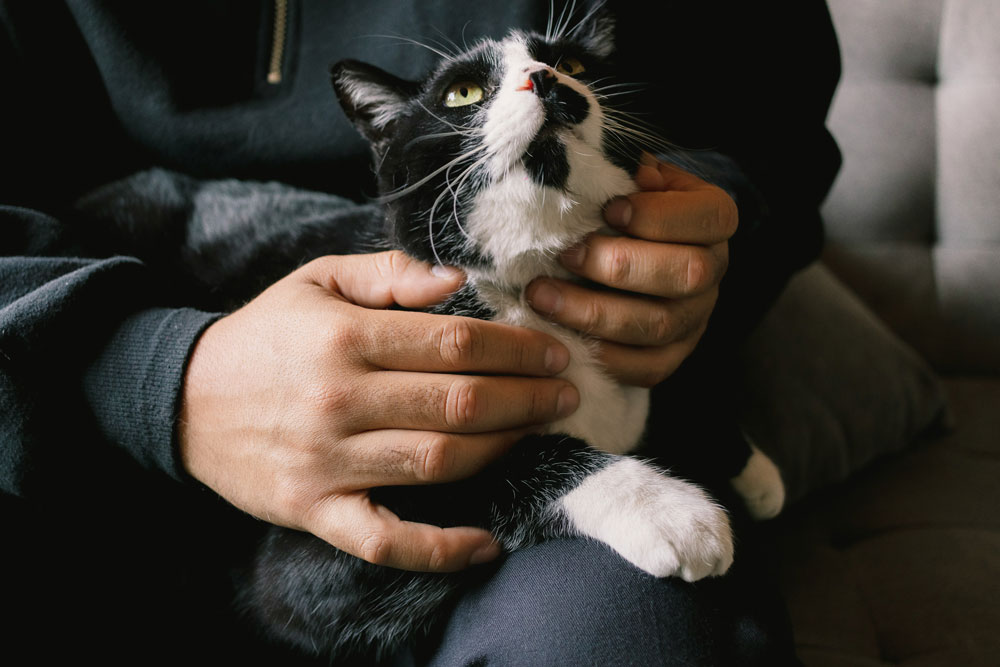
Signs of mobility problems in cats
Cats often require a different kind of observation.
You may never see your cat limp, but notice that they no longer jump as freely as they once did.
Possible changes include:
- Hesitating before jumping up or down
- Jumping onto a lower surface first
- Using stairs more slowly
- Spending more time on the floor
- Sleeping in different places because favourite spots are harder to reach
- Playing less
- Becoming less active outdoors
- Struggling to use the cat flap
- Grooming less effectively
- Developing a scruffy or matted area of coat, particularly over the back or hindquarters
- Toileting beside the litter tray rather than inside it
- Becoming less tolerant of being stroked, handled or picked up
- Hiding more or interacting less
A litter tray problem can be especially easy to misinterpret as behavioural. If climbing over a high-sided tray is uncomfortable, toileting beside it may simply be the easier option.
Similarly, an unkempt coat is not always a grooming problem in itself. A cat with painful joints may struggle to twist around far enough to groom the middle of the back or hindquarters comfortably. Reduced grooming, difficulty jumping, litter tray changes and reduced tolerance of interaction are among possible signs of arthritis and pain.
Why might mobility changes become more noticeable in autumn?
Autumn changes daily routines.
Walks may become wetter and cooler. Dogs may be moving over slippery leaves, muddy ground and uneven surfaces. Cats that spent much of the summer outside may start spending longer periods indoors, making changes in jumping, climbing and resting habits easier to see.
Some pets with joint problems also appear stiffer during colder or damp weather. However, the weather should not automatically be assumed to be the cause.
If a pet is suddenly struggling with stairs, reluctant to exercise or moving differently, it is worth finding out why rather than waiting for spring to see whether the problem disappears.
Is stiffness after sleeping a sign of arthritis?
It can be.
Stiffness after rest is commonly associated with joint problems in both cats and dogs. An affected pet may look uncomfortable when first standing, then appear to loosen up after moving for a short while.
However, stiffness does not identify the cause on its own.
Joint disease is one possibility, but muscle problems, injuries and conditions affecting the spine or nervous system can also alter movement. A veterinary assessment is needed to establish what is happening.
A useful observation is whether the stiffness has become a pattern. If a dog repeatedly struggles after every nap, or a cat regularly takes several careful steps after getting out of bed, that information can be useful to a vet.
What does a change in jumping tell owners?
Changes in jumping are particularly useful in cats because they may appear before more obvious signs of mobility problems.
The important detail is not only whether the cat still reaches a favourite surface, but how they get there.
A cat that previously jumped directly onto a windowsill may begin going from floor to chair to windowsill. Another may pause and calculate a jump for longer than usual or pull themselves upwards with their front legs rather than landing easily.
Dogs may show similar hesitation around sofas, beds and cars.
These changes can be easy to dismiss because the pet still completes the task. The new method may, however, be the pet’s way of making an uncomfortable movement more manageable.
Behaviour can be a mobility sign too
Pain affects more than walking.
A pet that feels uncomfortable may sleep more, play less or become more irritable. A dog that has started moving away when stroked around the hips may be protecting a painful area. A cat that suddenly dislikes being picked up may be anticipating discomfort.
This is particularly important in cats, where pain commonly presents through changes in normal behaviour rather than an obvious physical sign.
Changes in temperament should never automatically be labelled as stubbornness, grumpiness or old age.
Behaviour is information. When a normally sociable pet becomes withdrawn or a previously tolerant animal begins avoiding touch, physical discomfort is one of the possibilities that needs to be considered.
At PawSquad, we provide behaviour consultations to help identify why your pet might be acting in a certain way.

Mobility problems are not only an older pet issue
A young dog racing around the park or a young cat climbing furniture can still have a mobility problem.
Injuries, developmental joint conditions and other musculoskeletal problems can occur long before a pet reaches their senior years. Previous injuries may also have longer-term consequences.
Limping and stiffness in dogs can have many causes beyond arthritis, including sprains, ligament injuries, joint problems and spinal conditions.
Age can make certain conditions more likely, but it should not become the test for whether a mobility change deserves attention.
If the way a pet moves has changed, their age does not make the change irrelevant.
Weight and mobility are closely connected
Body weight can have a significant effect on movement.
Carrying excess weight places additional load through joints and can make physical activity more difficult. At the same time, a pet that becomes uncomfortable may move less, which can make weight management harder.
That can create an unhelpful cycle.
This is one reason weight and body condition are useful parts of a mobility assessment rather than separate issues. Maintaining an appropriate body condition can form part of managing pets with joint problems, alongside veterinary treatment and suitable activity.
Owners should not suddenly restrict food or dramatically increase exercise because a pet appears stiff. Weight loss, where needed, should be gradual and appropriate for the individual animal.
Check out our nutrition advice, available to PawSquad users.
Should an older pet exercise less?
Not necessarily.
Movement remains important, but the right type and amount depend on the individual pet and the reason for any mobility problem.
For some dogs, regular, manageable walks may suit them better than being relatively inactive during the week followed by one very long weekend walk.
For cats, movement may come from gentle play, climbing and normal exploration around the home rather than formal exercise.
The aim is not to force a painful pet to “work through” stiffness. Equally, stopping activity altogether without veterinary advice can lead to loss of muscle, which may make movement even harder.
When mobility has changed, a vet can advise on an appropriate level of activity as part of the overall management plan.
Click the link here to read our other blog about keeping senior pets in good shape.
Small changes at home can reveal a lot
You can learn a great deal simply by watching your pet complete familiar everyday activities.
For a dog, that might mean observing:
- Getting up from bed
- Walking across a hard floor
- Going up and down stairs
- Getting into the car
- Walking at the beginning and end of a normal outing
For a cat, useful moments include:
- Jumping onto and down from furniture
- Using stairs
- Entering the litter tray
- Going through the cat flap
- Grooming
- Playing
- Stretching after rest
Comparing these activities over time can make gradual changes much easier to recognise.
Taking videos can be surprisingly useful
Pets do not always move at the veterinary practice in the same way they do at home.
A nervous cat may crouch and refuse to walk. An excited dog may temporarily appear much more energetic than usual.
Short videos of normal movement at home can therefore give vets useful additional information. Film your pet walking, using stairs, playing and jumping when mobility is a concern. You can then upload these before your PawSquad vet consult so we can see that activity you’re concerned about rather than hoping they demonstrate the limp for the camera!
Recording occasional clips over time can also help show whether a change is progressing.

When should your pet see a vet about mobility?
A pet should be assessed if there is a persistent or recurring change in the way they move or behave.
That includes subtle changes such as increasing stiffness, reduced willingness to jump, slowing down on walks or difficulty with normal activities.
More urgent veterinary attention is needed if they:
- Suddenly cannot use a leg normally
- Is unable to stand or walk
- Appears to be in severe pain
- Has experienced significant trauma
- Develops sudden weakness or loss of coordination
- Has a visibly swollen or badly injured limb
You don’t need to know whether the problem is arthritis before making an appointment. Determining the cause is the vet’s job.
Depending on the findings, a veterinary assessment may involve watching the pet move, examining muscles and joints, checking the spine and paws, and sometimes recommending further investigations.
What can you do while waiting for an assessment?
Until the cause of a mobility problem is known, sensible adjustments can make everyday movement easier.
Slippery floors may be more difficult for an uncomfortable dog to negotiate, so secure rugs or mats can provide better grip. Repeated jumping in and out of a high vehicle can be avoided where possible.
For cats, food, water and comfortable resting places can be kept within easy reach. A lower-sided litter tray may help a cat that is finding the normal tray difficult to enter, and steps or securely positioned furniture can make favourite resting places easier to reach.
Human painkillers should never be given to a cat or dog unless specifically directed by a vet. Medicines that are routinely used by people can be dangerous to pets.
Earlier recognition can make a real difference
The first sign of a mobility problem is not always a limp.
It might be the dog that pauses before getting into the car. The cat that no longer sleeps on the wardrobe. The pet that still completes the usual walk but does it a little more slowly every week.
Those details matter.
A change in movement does not automatically mean arthritis, and it does not necessarily mean that a pet is seriously unwell. It does mean there is something worth paying attention to.
Rather than accepting a gradual loss of mobility as an inevitable part of getting older, you can watch for changes, record what you see and seek veterinary advice when normal activities become more difficult.
And remember, you can speak to a vet through the PawSquad app 24 hours a day, 365 days of the year if you notice a change in your cat or dog’s mobility and want advice on what to do next. Photos and videos can help show how a pet is moving at home. Pets needing a physical examination, medication or ongoing treatment should be seen by their usual veterinary practice.