

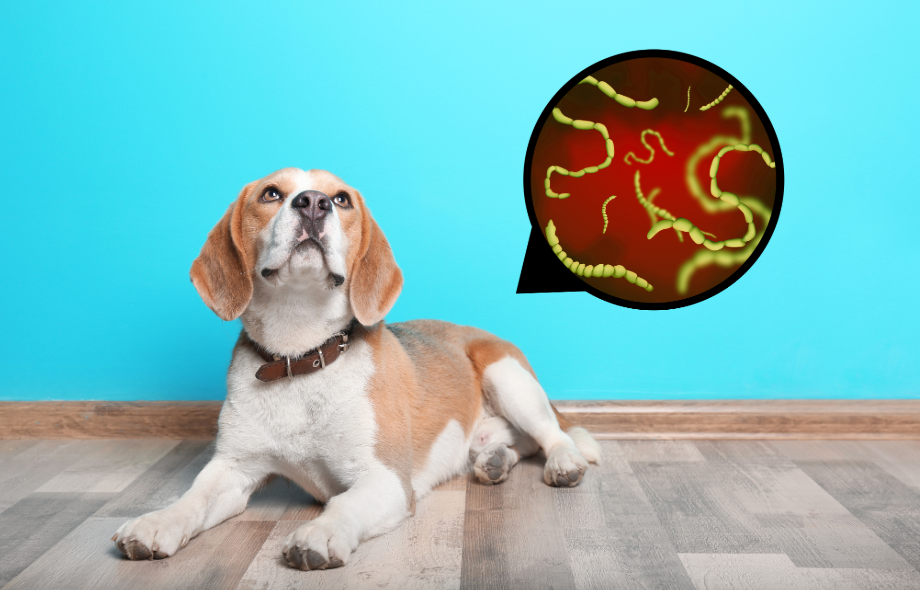
Worms in dogs are more common than most owners realise — and because they’re often invisible, infections can go unnoticed for quite some time.
While intestinal worms in dogs might seem like just a nuisance, they can affect your dog’s health and, in some cases, even pose a risk to humans. This is especially important for households with young children or vulnerable individuals.
The good news? With the right knowledge, dog worming treatment and prevention are straightforward and highly effective.
In this guide, we’ll cover the symptoms of worms in dogs, how dogs get them, and practical steps to keep your pet — and your family — safe.
What Types of Worms Do Dogs Get?
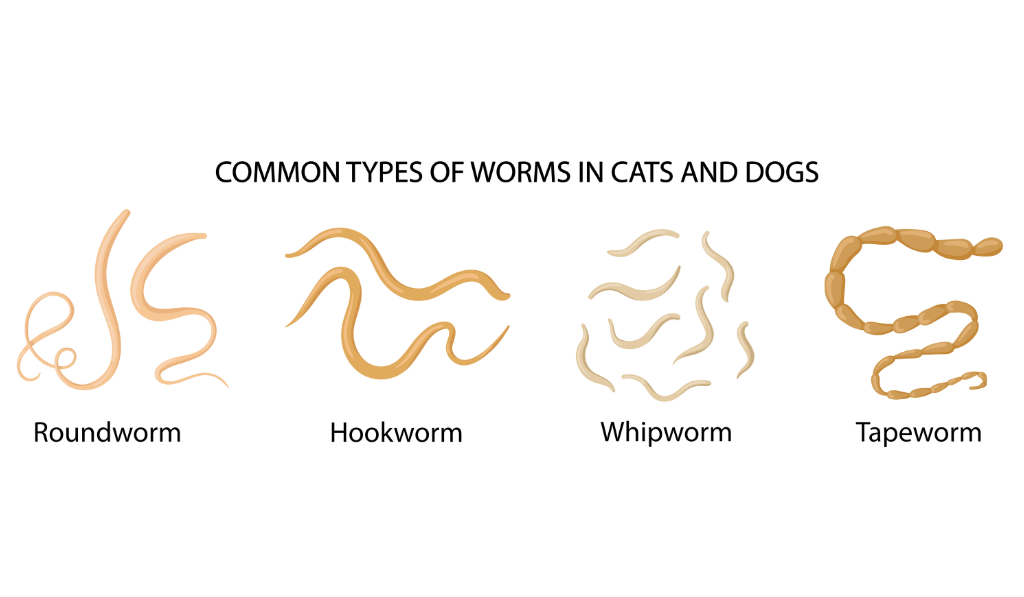
Several types of worms in dogs are found in the UK, each with slightly different risks and symptoms.
Roundworms in Dogs
These are the most common intestinal worms in dogs.
- Live in the gut
- Long, spaghetti-like appearance
- Common in puppies (often passed from mother)
Almost all puppies are born with or quickly develop roundworms, which is why early treatment is essential.
Tapeworms
Tapeworms are another frequent parasite.
- Flat, ribbon-like worms
- Made up of small segments
- Segments look like grains of rice near your dog’s bottom or in bedding
They’re often linked to flea infestations — if your dog swallows a flea, they can become infected.
Hookworms and Whipworms
Less common in the UK but more harmful.
- Attach to the gut lining
- Can cause bleeding and inflammation
- May lead to diarrhoea and anaemia
Lungworm in Dogs (Important Note)
Although this article focuses on gut worms, lungworm in dogs UK is a serious and growing concern.
- Spread through slugs and snails
- Can be life-threatening
- Not covered by all worming treatments
For trusted guidance, organisations like the RSPCA and PDSA provide helpful advice.
How Do Dogs Get Worms?
Understanding how dogs get worms is key to prevention.
Dogs naturally explore the world with their mouths — unfortunately, that’s exactly how parasites get in.
Common infection routes:
- Mother to puppy: Very common with roundworms
- Contaminated environments: Soil, sand, parks, and even gardens
- Hunting: Eating small animals
- Scavenging: Dead animals or raw/undercooked meat
- Fleas: A major cause of tapeworm infections
Worm eggs can survive in the environment for long periods, making exposure hard to avoid entirely.
Symptoms of Worms in Dogs
Many dogs show no obvious signs at first, which is why regular prevention matters.
However, common symptoms of worms in dogs include:
- Scooting (dragging their bottom along the ground)
- Weight loss despite a normal appetite
- Bloated or “pot-bellied” appearance (especially in puppies)
- Visible worms or segments in poo or bedding
- Dull coat or reduced energy
If you notice any of these signs of parasites in dogs, it’s worth seeking advice early.
You can quickly speak to a vet via 24/7 Vet Consults for reassurance and next steps.
Dog Worming Treatment: What Works Best?
When it comes to dog worming treatment, not all options are equal.
Prescription Treatments (Recommended)
These are the most effective and reliable.
- Prescribed by a vet
- Thoroughly tested for safety and effectiveness
- Often work faster and more completely
For tailored advice, 24/7 Vet Consults can help you choose the right treatment. Please note PawSquad is not able to issue prescriptions, but can advise you before you head to your regular vet.
Non-Prescription (NFA-VPS)
- Available from pharmacies or qualified pet retailers
- Require professional advice before purchase
- Generally more reliable than basic over-the-counter products
Over-the-Counter Products
- Widely available
- May contain older or less effective ingredients
- Not always reliable for full protection
Bottom line: if you want peace of mind, prescription treatments are the gold standard.
How to Prevent Worms in Dogs
Knowing how to prevent worms in dogs is just as important as treating them.
There’s no one-size-fits-all plan, it depends on your dog’s lifestyle. Not all options are created equal – and for the pet, its health, and the environment, creating a tailored prevention plan is best. Speak to a vet about your dog’s plan.
Puppy Worming Schedule
Puppies need frequent treatment due to high risk.
- Every 2 weeks until 2 weeks after weaning and then monthly until they’re six months old
This helps eliminate worms passed from their mother and protects their developing health.
Adult Dog Worming Routine
For most adult dogs:
- Every 3 months is typical
However, some dogs may need more frequent treatment.
Higher-risk dogs:
- Hunt or scavenge
- Eat raw diets
- Live with children or vulnerable people
These dogs may benefit from monthly worming — speak to a vet for personalised advice.
A Modern Approach: Faecal Egg Counts (FECs)
For lower-risk dogs, faecal egg counts offer a more targeted approach.
- Send a stool sample to a lab
- Only treat if worms are detected
Benefits:
- Reduces unnecessary medication
- Better for the environment
- Helps prevent resistance
However, this approach isn’t suitable for every dog — check with a vet first via 24/7 Vet Consults.
Don’t Forget Lungworm Prevention
Standard worming doesn’t always cover lungworm.
Because lungworm in dogs UK can be life-threatening:
- Ask your vet about specific prevention
- Be cautious if your dog eats slugs/snails or licks outdoor surfaces
The British Veterinary Association highlights the importance of tailored parasite prevention plans.
Supporting Your Dog’s Overall Health
A strong immune system helps your dog cope better with parasites.
Nutrition Matters
A balanced diet supports gut health and immunity.
If you’re unsure what’s best, Nutrition Consults can guide you based on your dog’s age and lifestyle.
Hygiene and Environment
Simple habits go a long way:
- Pick up poo promptly
- Wash hands after handling pets
- Keep bedding clean
- Stay on top of flea control
Monitoring and Prevention Tools
Tracking your dog’s health makes it easier to spot changes early.
Health & Happiness Tools can help you monitor symptoms, routines, and treatments over time.
When to Seek Veterinary Advice
You should seek advice when planning your pet’s worm prevention plan. Also always seek advice if your dog:
- Shows symptoms of worms
- Has persistent scooting or digestive issues
- Is losing weight unexpectedly
- Has visible worms
Early advice prevents complications and keeps treatment simple.
If you’re unsure, 24/7 Vet Consults offer quick, expert support without needing to leave home.
Conclusion
Worms in dogs are common — but with the right approach, they’re entirely manageable.
Key takeaways:
- Many infections show no early symptoms
- Regular worming is essential
- Prevention should be tailored to your dog’s lifestyle
- Lungworm requires specific protection
Staying proactive protects not just your dog, but your whole household.
For personalised advice, treatment guidance, or peace of mind, download the PawSquad app today. With 24/7 Vet Consults, expert support, and smart tracking tools, you’ll always know you’re doing the best for your dog.