


If your dog or cat seems more likely to be sick in spring, you are not imagining it. April can bring a real mix of vomiting triggers for pets, from garden plants and Easter treats to scavenging on walks, compost, grass cuttings and sudden changes in routine. Vomiting is also one of the most common reasons people call us or visit their vet, and gastrointestinal signs are frequently seen in everyday practice.
The tricky part is that vomiting can range from a mild stomach upset to a sign of something far more serious. In many cases, the spring season creates more opportunities for pets to eat, lick or sniff things they shouldn’t, which is why April often feels like a busy month for tummy trouble. The good news is that knowing the common causes, the warning signs and when to seek help can make a big difference.
Why does vomiting seem more common in April?
Spring brings a sudden change in what pets are exposed to. More time in the garden, longer walks, outdoor gatherings and seasonal foods all increase the chance of stomach upset. At the same time, April often coincides with Easter, when chocolate, hot cross buns and other rich foods may be left within easy reach of curious pets.
It is also the time of year when spring plants and bulbs begin appearing in gardens and homes. Daffodils, tulips and bluebells are among the common seasonal hazards, with vomiting, drooling and stomach upset all possible after exposure. Compost bins, mouldy garden waste, pesticides and weed killers can all pose risks to pets.
So, while April does not magically cause vomiting on its own, it often creates the perfect conditions for more tummy trouble.
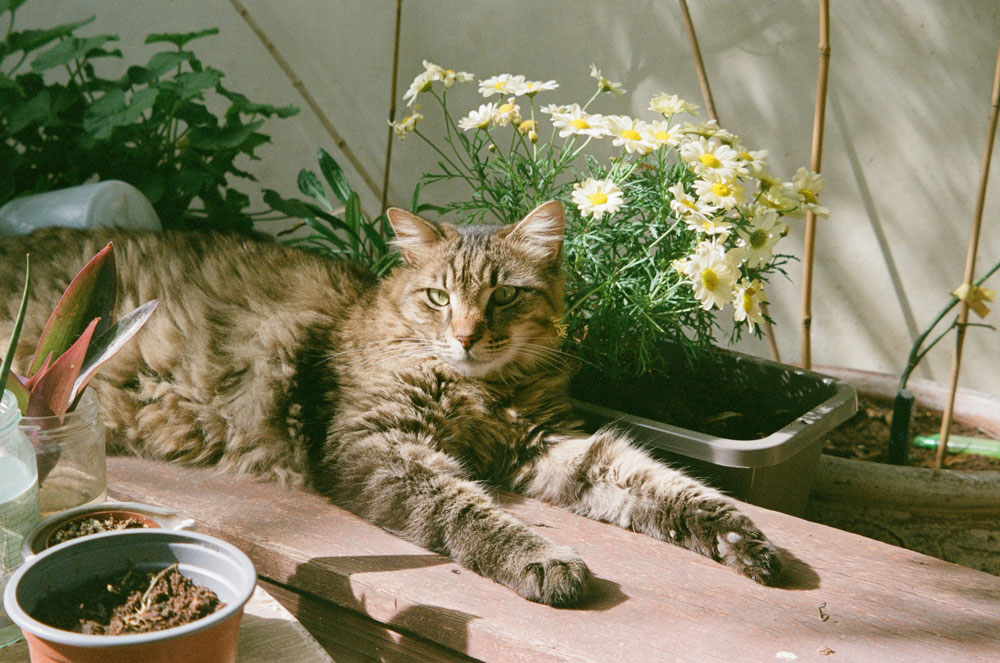
Common spring causes of vomiting in pets:
Spring plants and bulbs
Bulbs are a classic April problem, particularly for dogs that like to dig. Daffodils and tulips are especially important because the bulbs are often the most toxic part. Even smaller exposures can lead to drooling, vomiting, diarrhoea and general stomach irritation. Cats may be affected too, particularly if they chew indoor flowers or groom pollen from their coat. Lilies deserve a special mention because they are extremely dangerous for cats and can cause kidney failure.
Easter treats and seasonal foods
Chocolate is the best-known Easter hazard, but it is not the only one. Hot cross buns may contain raisins or currants, which are also toxic to dogs. Rich leftovers, fatty foods and unfamiliar treats can upset the stomach and may even contribute to pancreatitis in some dogs. If your pet has helped itself to an Easter stash and is now vomiting, it is safest not to wait and see.
Scavenging outdoors
As the weather improves, pets tend to spend more time outside. That means more chances to eat rotten food, chew sticks, investigate bins, raid picnic leftovers or swallow non-food items. Gastrointestinal foreign bodies are a common emergency problem in dogs, and vomiting is one of the most typical signs. Foreign body removal is a common emergency procedure in vet practices, with objects ranging from toys and cloth to stones and plant material!
Grass, compost and garden waste
Many owners notice their dog eating more grass in spring. Sometimes this passes without issue, but sudden access to large amounts of grass, grass cuttings, compost or mouldy garden waste can irritate the stomach or expose pets to toxins and harmful bacteria. Compost bins are worth keeping securely closed.
Parasites and stomach bugs
Not every spring vomiting case is caused by a toxin or foreign body. Gastrointestinal disease is common in dogs and cats, and vomiting is one of the most frequent signs reported in practice. Parasites, dietary indiscretion and infectious causes can all be part of the picture, especially in younger animals or pets that mix with others more often as routines change in warmer weather.

When is vomiting an emergency?
A single vomit in an otherwise bright, comfortable pet may not always be an emergency, but repeated vomiting should never be ignored. You should seek veterinary advice sooner rather than later if your pet:
- Vomits more than once
- Can’t keep water down
- Seems tired, painful, restless or unusually quiet
- Has a swollen abdomen
- Is retching without bringing anything up
- Has blood in the vomit
- Has diarrhoea, collapse, tremors or breathing changes
- May have eaten chocolate, raisins, bulbs, compost, medication or a foreign object
- Is a puppy, kitten, senior pet, or has an existing medical condition
Our triage guidance flags severe vomiting, abdominal distension and signs of pain as concerns that may need urgent assessment, and toxic exposures should always be treated promptly.
What to do at home if your pet has vomited
First, remove access to any suspected trigger. Pick up leftover food, secure the bin, move houseplants out of reach and check the garden for bulbs, mulch, chemicals or compost.
Next, think like a detective. What might your pet have eaten, licked or chewed in the last few hours? If you suspect chocolate or another toxin, keep the packaging. If there is a missing toy, sock or chewed plant, make a note of it. These details can be very helpful to a vet.
Offer small amounts of water unless your pet is vomiting repeatedly and avoid giving human medicines unless a vet has specifically advised it. Do not try to make your pet sick at home, as this can be dangerous in some cases. If the vomiting continues, or your pet seems off in any way, get advice.
How to reduce the risk this spring
A few practical steps can make April much safer:
- Keep daffodils, tulips, lilies and other risky plants out of reach
- Store chocolate, hot cross buns and leftovers well away from pets
- Fence off compost bins and clear up grass cuttings promptly
- Supervise garden digging, especially in dogs
- Watch for scavenging on walks and in parks
- Keep parasite prevention up to date
- Book advice early if your pet seems unwell, rather than waiting for things to escalate
Spring should be enjoyable for pets and people alike, but it helps to remember that “seasonal” does not always mean harmless. Sometimes stomach upsets can be short lived. Sometimes it is the first sign of poisoning, an obstruction or another illness that needs prompt care. Vomiting is common, but repeated vomiting, signs of pain, toxin exposure or a pet that just is not quite right should always be taken seriously.
If you are not sure whether your pet’s vomiting is something to monitor or something that needs prompt attention, PawSquad can help you decide. A vet consult (and we’re here for you 24 hours a day, 365 days of the year) can be especially helpful for those grey area moments.