

If you’ve ever bought your cat a new toy only to find they were more interested in the cardboard box, you’re certainly not alone.
Cats don’t need constant entertainment. What they do need is the opportunity to behave like cats.
Climbing, scratching, stalking, exploring, hiding, watching the world go by and solving simple problems are all part of a cat’s natural behavioural repertoire. When these needs aren’t met, it doesn’t just lead to boredom. It can affect physical health, emotional wellbeing and even contribute to behaviour problems.
Enrichment isn’t about spoiling your cat. It’s about giving them opportunities to use the instincts nature designed them with.
Why enrichment matters
In the wild, cats don’t spend most of the day asleep before walking to a bowl that’s permanently full of food.
Their time is spent hunting, exploring territories, climbing to safe viewpoints, avoiding conflict, resting in secure places and making choices about where they spend their time.
Our pet cats still have these instincts.
Even indoor cats retain the same motivations, despite living very different lives.
Without opportunities to express these behaviours, some cats become bored or frustrated. Others become anxious or withdrawn. Some simply become less active, which can contribute to obesity and reduced mobility over time.
Providing appropriate enrichment supports both mental and physical health.
It can help:
- encourage healthy activity
- reduce boredom and frustration
- provide gentle daily exercise
- support healthy weight management
- increase confidence
- reduce stress
- encourage natural behaviours
- improve overall welfare
Enrichment isn’t always about toys
Many owners think enrichment means buying lots of new gadgets.
In reality, some of the most valuable enrichment involves making small changes to your cat’s environment.
Ask yourself:
- Can my cat climb?
- Can they hide if they want to?
- Do they have somewhere high to observe the room?
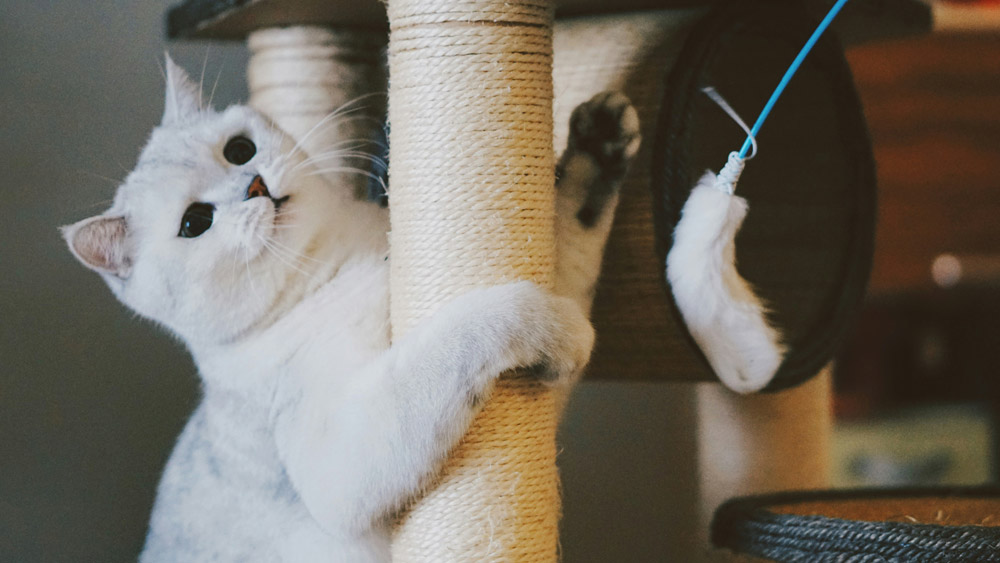
- Can they scratch in several places?
- Do they have quiet places to sleep away from household activity?
- Can they watch birds or people outside?
- Do they have choices about where they spend their time?
Cats like having options.
A home that allows them to make choices often feels much safer than one where everything happens in one place.
Make mealtimes more interesting
Food can be an excellent form of enrichment, but it’s important that it doesn’t add unnecessary calories.
Instead of offering extra treats throughout the day, use part of your cat’s normal daily food allowance.
That way they’re working for food they were going to eat anyway.
Simple ideas include:
- puzzle feeders
- treat balls
- hiding small portions of their dry food around the house
- cardboard egg boxes with their dry food hidden inside
- paper bags or scrunched paper containing a few of their dry food biscuits
- commercially available vet-approved food puzzles
These activities encourage cats to sniff, search, problem-solve and forage rather than simply eating from a bowl in a few minutes.
If your cat only eats wet food, enrichment can still be achieved through small feeding stations around the home, lick mats designed for cats, or short positive training sessions using tiny amounts from their normal meal.
Hunting games satisfy natural instincts
Cats are predators.
Interactive play allows them to perform parts of the hunting sequence in a safe and rewarding way.
Fishing rod toys, feather toys and moving prey-style toys generally work better than simply leaving toys on the floor.
Try to mimic natural prey movements:
- short bursts
- hiding behind furniture
- moving away rather than towards your cat
- allowing your cat to stalk before pouncing
Let them “catch” the toy at the end of the game to avoid frustration.
A few five-minute sessions each day are often more enjoyable than one long session.
Think vertically
Cats naturally feel safer when they can observe from above.
Providing shelves, cat trees or window perches allows them to climb, rest and survey their surroundings.
Older cats or those with arthritis may still appreciate elevated resting places but benefit from steps or lower platforms that are easier to reach.
Scratching is healthy
Scratching isn’t bad behaviour.
It helps cats:
- maintain their claws
- stretch muscles
- leave scent signals
- relieve stress
Providing sturdy scratching posts in different areas of the home is often more successful than having just one tucked into a corner.
Different cats have different preferences, so some may prefer vertical posts while others enjoy horizontal scratchers.
Give them somewhere to hide
Cats cope with stress differently from many other pets.
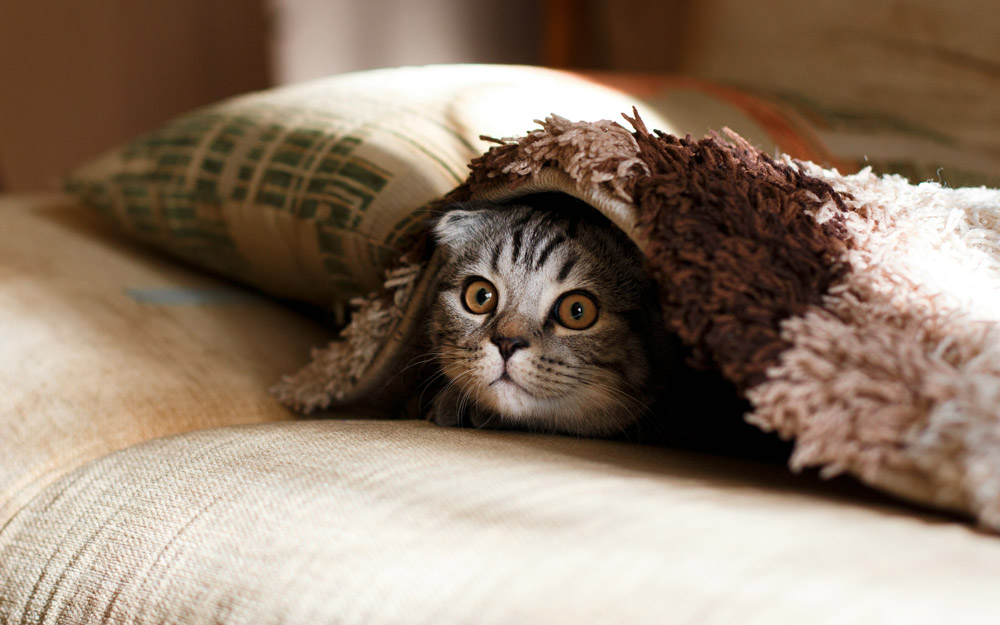
Having safe places to retreat is an important part of feeling secure.
Simple options include:
- cardboard boxes
- covered beds
- shelves
- quiet rooms
- blankets draped over furniture
Allowing cats to choose when to interact often helps them feel more confident.
Every cat is different
Young kittens, adult cats and senior cats all have different enrichment needs.
Indoor cats may need more opportunities to explore than those who have safe outdoor access.
Older cats may enjoy shorter play sessions, easier climbing routes and food puzzles that don’t require as much physical effort.
The best enrichment is the enrichment your individual cat enjoys.
Small changes can make a big difference
You don’t need an expensive cat playground to improve your cat’s wellbeing.
Sometimes adding a second scratching post, moving a bed to a quieter room or hiding part of breakfast around the house can make everyday life much more interesting.
These small opportunities to climb, hunt, scratch, explore and choose where they spend their time help support both physical and emotional health.
Because enrichment isn’t simply about keeping cats busy.
It’s about helping them live more like cats.
If you’re unsure whether changes in your cat’s activity, behaviour or mobility are simply part of ageing or something more, PawSquad can help you talk it through with a vet from home. Sometimes a small change in behaviour is exactly the clue worth paying attention to.