
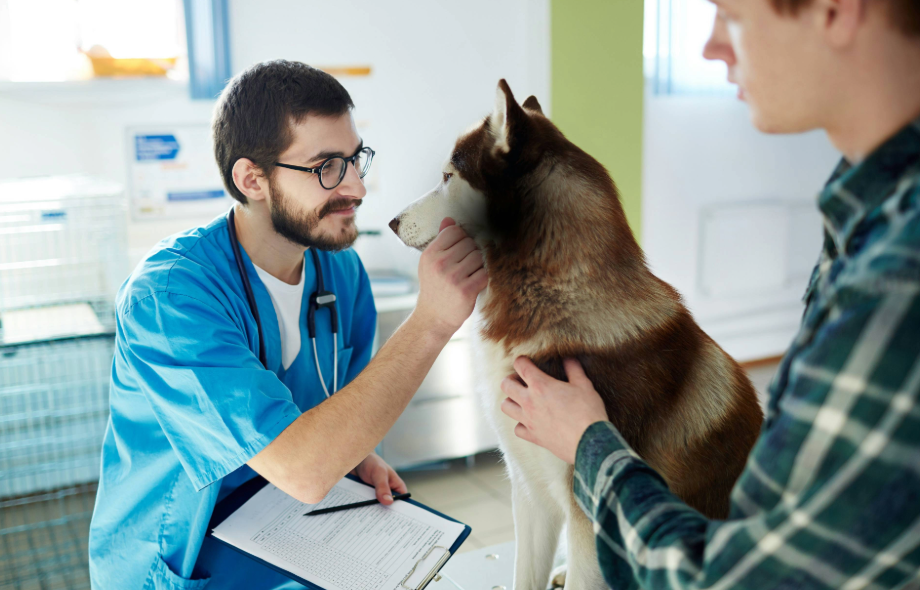
Gastric upset is one of the most common reasons dog owners seek veterinary advice, and one of the most frequent calls we see at PawSquad.
Vomiting, diarrhoea, loss of appetite, and gurgling stomach sounds can be alarming — but not every case needs a rush to the vet. Here’s a guide to help you understand the common causes, home care tips, and when it’s time to seek professional help.
Common Causes of Gastric Upset in Dogs
Dietary Indiscretion (“Garbage Gut”)
Dogs are notorious for eating things they shouldn’t — leftovers, spoiled food, or even objects like socks. This can irritate their stomach and intestines, leading to vomiting or diarrhoea.Diet Change or Food Intolerance
A sudden switch in diet or introducing new treats can upset your dog’s digestive balance. Some dogs also develop sensitivities to ingredients like beef, chicken, or other ingredients.Stress and Anxiety
Travel and new places, loud noises, new people, or other pets can all trigger stress-related diarrhoea or vomiting in sensitive dogs.Parasites
Worms and protozoa (like Giardia) are common in puppies and dogs who spend time outdoors. They can cause diarrhoea, weight loss, and sometimes vomiting.Infections
Viral or bacterial infections can upset your dog’s stomach, often accompanied by fever or lethargy.Underlying Illness
Conditions like pancreatitis, kidney or liver disease, or inflammatory bowel disease can cause chronic gastric upset, so persistent symptoms should never be ignored.
How to Help at Home
If your dog is otherwise bright, alert, and has mild symptoms:
✅ Rest the gut — Feed small portions more often. A bland diet (boiled chicken and rice) for a few days may help.
✅ Hydration is key — Ensure fresh water is always available. Offer ice cubes if your dog refuses water.
✅ Monitor closely — Watch for worsening symptoms, blood in stool or vomit, or signs of pain.
✅ Avoid medications without vet advice — Many human medications can be toxic to dogs.
When to Speak to a Vet
Seek veterinary advice if your dog shows:
🚩 Vomiting or diarrhoea for longer than 24–36 h or more than 10 vomiting episodes in 12 hours
🚩 Unable to keep water down
🚩 Blood in vomit or stool
🚩 Severe lethargy or collapse
🚩 Abdominal pain or bloating
🚩 Refusal to drink or signs of dehydration (dry gums, sunken eyes)
🚩 Symptoms in a very young, elderly, or immunocompromised dog
Get Expert Help Today
If you’re unsure about your dog’s symptoms or need guidance, speak to a vet with PawSquad any time. Skip the stress of the clinic — get personalized advice from the comfort of your home.