
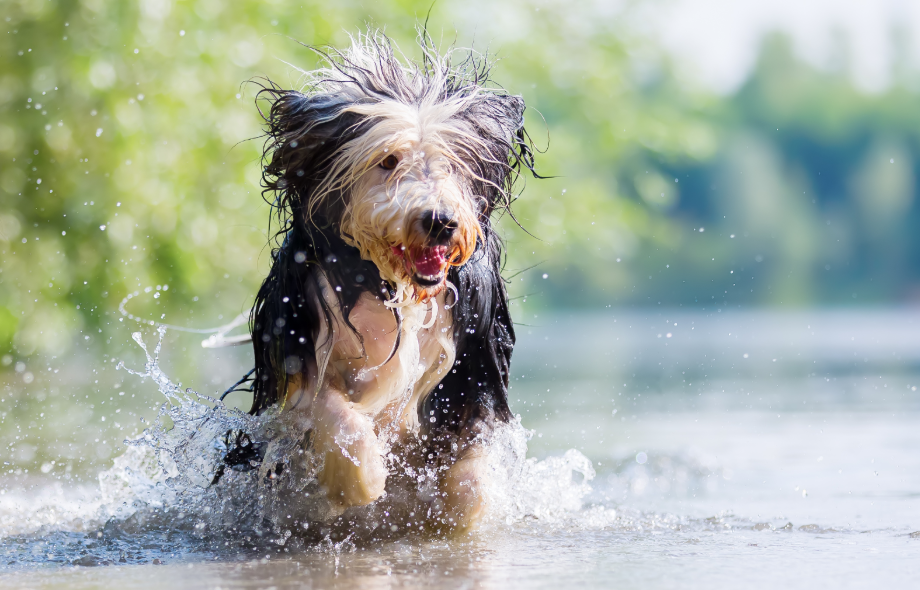
For many dogs, summer hasn’t truly started until they’ve made that first spectacular dive into a local river, lake, or the sea. As owners, there’s nothing quite like watching them splash around and cool off on a warm day. Swimming is fantastic exercise and an ideal way for your pup to beat the heat, but the water can also present a range of hidden risks that aren’t always obvious at first glance.
Can dogs swim safely? Absolutely. However, keeping them safe means being aware of the potential risks. Here are the top water risks every dog owner should keep on their radar this summer.
Freshwater Dangers (Lakes, Ponds & Rivers)
1. Blue-Green Algae (Cyanobacteria)
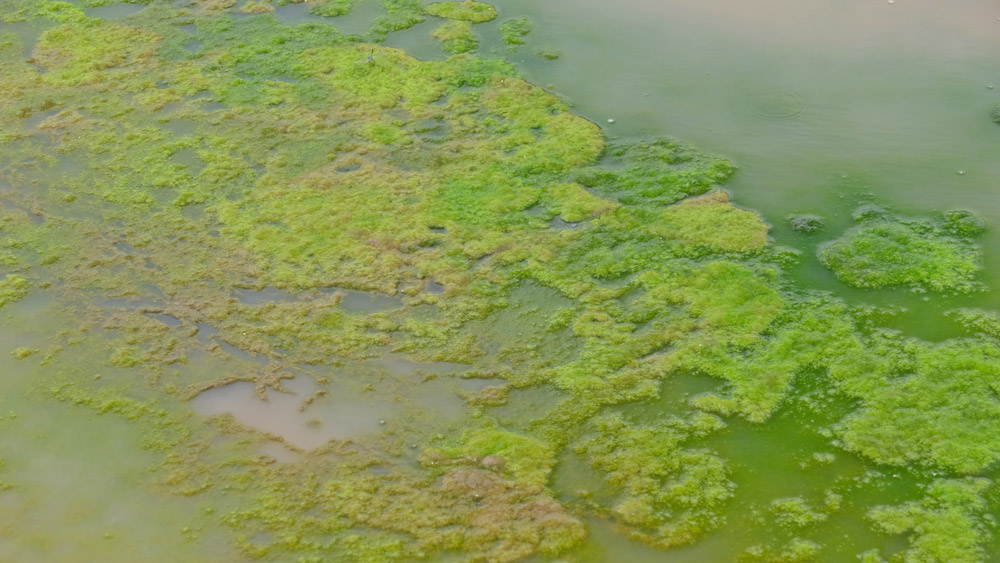
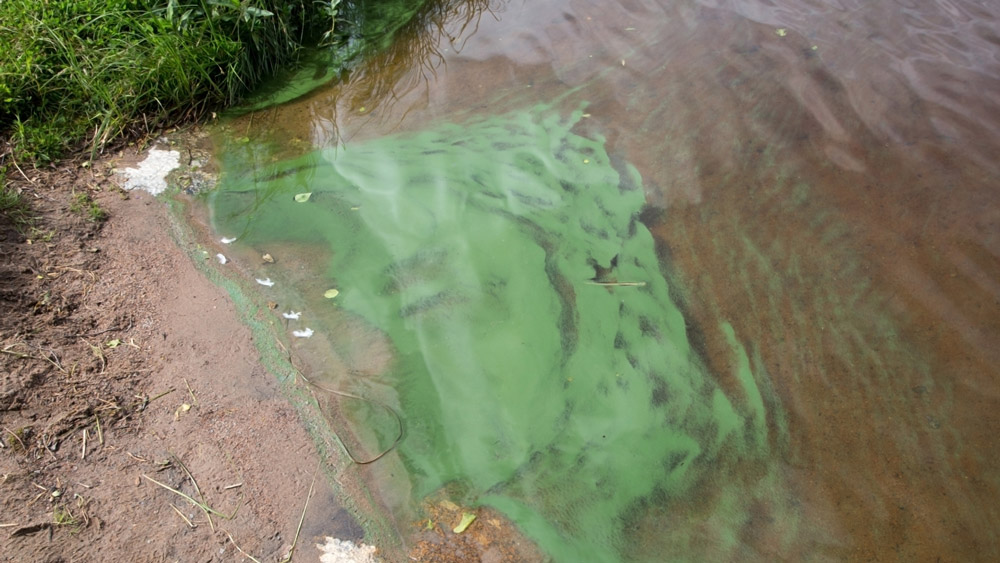
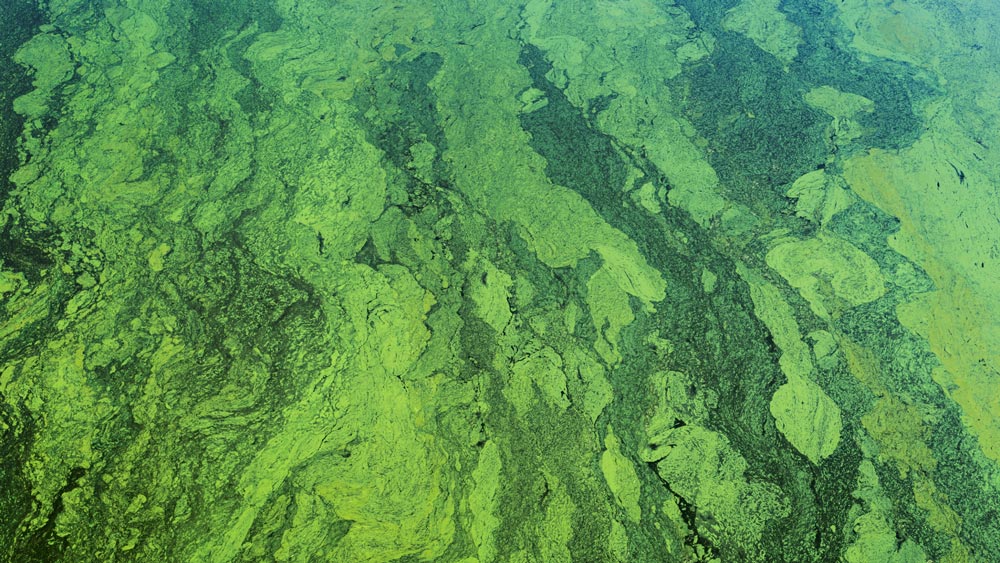
During warm, sunny months, stagnant or slow-moving freshwater can become contaminated with blue-green algae. This isn’t actually an algae, but a toxic bacteria called cyanobacteria. It produces invisible toxins that, if swallowed, can cause organ failure and potentially death within hours.
- How to spot it: It can be difficult to spot but look out for green-blue scum on the surface, green-blue streaks that look like spilled paint, floating green or brown clumps, or foaming at the water’s edge. There may also be warning signs around if it’s a known problem.
- The danger: Dogs can swallow blue-green algae toxins by drinking the water or by licking their coats after a swim. Symptoms such as vomiting, drooling, twitching, seizures, or breathing difficulties can develop anywhere from fifteen minutes to a few days after exposure.
- Immediate first aid: If you suspect your dog has been exposed to blue-green algae, do not let them lick their fur, as this can make the poisoning worse. Rinse them thoroughly with clean water immediately and contact your vet as an emergency.
2. Water Toxicity (Hyponatraemia)
When dogs fetch toys from freshwater or bite at splashes, they can accidentally swallow large quantities of water. This dilutes the sodium levels in their blood, leading to a dangerous condition called hyponatraemia (low sodium). Symptoms include lethargy, vomiting, loss of coordination and, in severe cases, seizures. To reduce the risk, limit continuous fetch games in the water and avoid using large toys that force your dog to keep their mouth open while swimming.
3. Water-Borne Diseases (Leptospirosis)
Freshwater, especially stagnant ponds or slow-moving rivers, can carry serious water-borne diseases. Leptospirosis is a bacterial infection spread through the urine of wildlife, such as rodents, that contaminates the water. It can cause severe kidney and liver damage. Ensuring your dog’s vaccinations are up to date provides important protection against this disease.
Coastal Dangers (The Sea)
1. Big Waves, Tides and Rip Currents
Rip currents can sweep even the strongest doggy swimmers out to sea very quickly. Crashing waves can also disorientate a dog, knock them off their feet, or trap them against coastal rocks. If the sea is rough or known for strong rip currents, it’s best to keep your dog out of the water.
2. Salt-Water Toxicity (Hypernatraemia)
Drinking too much seawater can be very dangerous for dogs. While a few accidental sips while fetching a ball are usually nothing to worry about, swallowing larger amounts can quickly make them very ill.
- The danger: Seawater contains a lot of salt, which can upset your dog’s natural fluid balance. This often causes vomiting and diarrhoea (sometimes called “beach diarrhoea”). In more serious cases, it can lead to dehydration, muscle tremors, seizures and can even be life-threatening if left untreated.
Universal Dangers (Any Body of Water)
1. Swimmer’s Tail (Acute Caudal Myopathy)
Also known as “limber tail”, this is a painful condition where a dog’s tail suddenly hangs completely limp or sticks straight out for a few inches before dropping. It is essentially a muscle sprain caused by overexertion or swimming in water that is too cold. While it usually resolves with rest and pain relief from your vet, it can be very uncomfortable for your dog.
To help prevent swimmer’s tail, avoid long swimming sessions in very cold water and give your dog plenty of breaks to rest. If you notice their tail hanging limp or they seem uncomfortable after swimming, keep them rested and contact your vet for advice.
2. Ear Infections
Water trapped inside a dog’s ear canal creates the perfect warm, dark and moist environment for bacteria and yeast to thrive. Dogs with floppy ears, such as Spaniels and Labradors, are particularly prone to ear infections after swimming if their ears aren’t dried thoroughly.
If your dog is prone to ear infections, it’s a good idea to gently clean and dry their ears after a swim. If you’re unsure how to do this safely, ask your vet for advice before using any ear-cleaning products.
3. Exhaustion and Drowning
Dogs don’t always know their own limits. A highly motivated dog will keep swimming after a ball or against a current until they are completely exhausted. Unlike humans, a drowning dog rarely splashes or makes a sound – they simply slip beneath the surface when tiredness takes over.
4. Hypothermia
Even on a scorching summer day, deep water, mountain lakes or coastal waters can be shockingly cold. If a dog spends too long in cold water, their core body temperature can drop dangerously low, leading to hypothermia.
Golden Rules for Summer Swim Safety
A little preparation can go a long way in keeping your dog safe around the water. Before you let them off the lead, keep these simple tips in mind:
- Choose Clear, Gently Moving Water: Choose water that is clear and gently flowing, and avoid areas with surface scum, unusual colouring or foamy edges.
- Look for Clear Paths and Gentle Slopes: Stick to spots with shallow, easy-to-climb banks or dog-friendly beaches where your dog can walk into the water and exit easily without scrambling.
- Suit Up with a Life Jacket: For extra peace of mind—especially in the sea, on boats or near deeper water—fit your dog with a canine flotation device. It helps keep them buoyant if they tire and gives you a sturdy handle to lift them to safety.
- Offer Fresh Water First: Before your dog even sets a paw in the water, offer them a big drink from a portable bowl filled with fresh tap water. Keeping them well hydrated helps reduce the temptation to drink river water or seawater.
- Keep Sessions Short and Sweet: Keep swim sessions brief, especially if your dog hasn’t been swimming in a while. Take them out of the water while they still have plenty of energy left.
- Rinse with Clean Water: Always give your dog a thorough rinse with fresh water after their swim to remove salt, sand and any harmful organisms, then gently dry inside their ears with a towel.
The Ideal Dog-Safe Swimming Spots
When scouting out the perfect summer splash zone, look for:
- Designated Dog-Friendly Beaches: Choose beaches that are well sheltered, have lifeguards on duty and feature calm, gently sloping water rather than crashing waves or strong rip currents.
- Shallow, Gently Moving Streams: Look for slow-moving, shallow streams with clear rocky or sandy beds and no strong currents, deep drop-offs or dense underwater weeds.
- Enclosed, Managed Dog Swimming Ponds: Many areas now have dedicated, professionally managed dog swimming lakes where the water quality is regularly tested for blue-green algae and other pollutants.
Swimming Spots to Avoid Completely
For your dog’s safety, it is best to avoid:
- Canals: The water tends to be stagnant, increasing the risk of diseases such as leptospirosis, and often hides dangerous underwater litter like shopping trolleys and broken glass.
- Rough Seas: High winds and large waves can exhaust dogs within minutes and increase the risk of swallowing dangerous amounts of seawater.
- Fast-Flowing Rivers: Even the strongest doggy swimmers can be swept away or become trapped by underwater weeds.
- Reservoirs: Water just below the surface is often dangerously cold, unexpected currents may be created by pumping machinery, and steep, slippery concrete banks can make getting out extremely difficult.
A Vital Rule for Owners
Every year, tragic accidents happen when owners enter dangerous water to rescue a struggling pet. If your dog gets into trouble in open water, do not go in after them. They are often far better equipped to get themselves out than you are. Stay in a safe place on the bank, call them firmly, and call 999 immediately to ask for the Coastguard or Fire and Rescue.