
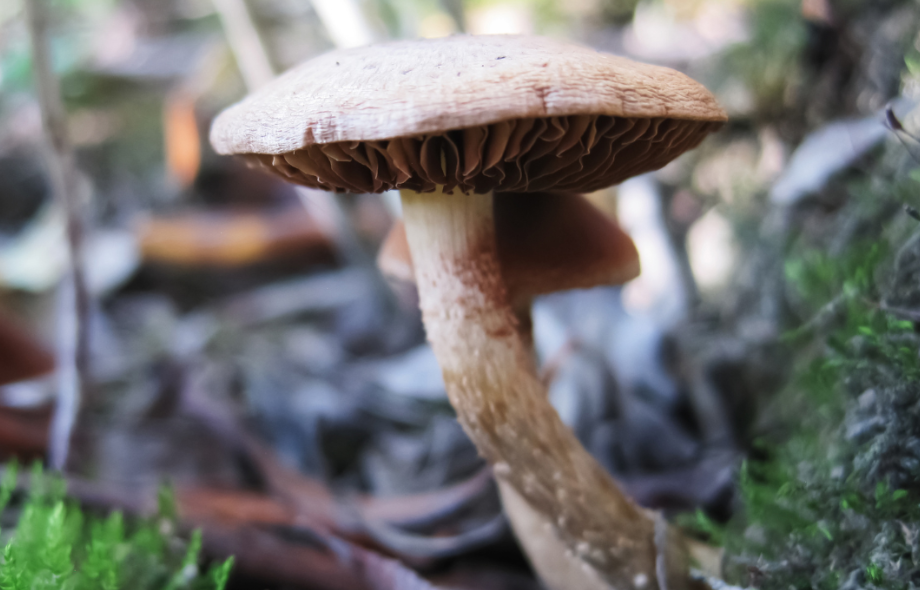
Why mushrooms can be dangerous for dogs
Wild mushrooms are a common sight in autumn, especially in damp, wooded areas. While many are harmless, some species contain potent toxins that can cause severe — and sometimes fatal — poisoning in dogs.
With over 4,000 mushroom species in the UK, accurate identification is extremely difficult. Even experts, known as mycologists, use specialist tools and knowledge to tell toxic species apart from safe ones. For this reason, any mushroom ingestion should always be treated as an emergency.
Symptoms of mushroom poisoning in dogs
The signs of mushroom poisoning can vary widely depending on the species and the toxins involved. Some cause mild stomach upset, while others affect the liver, kidneys, or nervous system and can lead to life-threatening illness.
Early signs may include:
- Drooling or excessive salivation
- Vomiting or diarrhoea
- Tummy pain or discomfort
- Loss of appetite
- Increased thirst or urination
- Watery eyes or increased tear production
As poisoning progresses, you may see:
- Muscle tremors or twitching
- Weakness, wobbliness, or incoordination
- Confusion, disorientation, or unusual behaviour
- Seizures or collapse
- Signs of organ failure (such as jaundice, lethargy, or dehydration)
Different toxins cause different effects:
- Neurotoxic mushrooms affect the brain and nerves, leading to tremors, seizures, and hallucination-like behaviour.
- Hepatotoxic mushrooms damage the liver, causing jaundice and vomiting.
- Nephrotoxic mushrooms affect the kidneys, leading to increased thirst, urination, or kidney failure.
What to do if your dog eats a mushroom
If you suspect your dog has eaten any type of wild mushroom:
- Contact your vet immediately. Mushroom ingestion is always a potential emergency.
- Do not wait for symptoms to appear. Some toxins act quickly, while others may take hours to cause visible illness.
- If possible, bring a sample. Carefully collect the mushroom (using gloves or a bag) and take it to the vet for identification. Try to note where and when it was eaten.
Your vet may induce vomiting, perform tests, or provide intravenous fluids and supportive care depending on the suspected toxin.
Prevention tips
- Keep your dog on a lead in wooded or damp areas, especially after rain.
- Check your garden and remove any mushrooms that appear.
- Supervise dogs who like to sniff or forage.
- Remember that even small amounts can be dangerous — it’s always better to be safe than sorry.
In summary
While many wild mushrooms are harmless, a few are highly toxic to dogs. Because it’s impossible to tell the difference by sight alone, treat every mushroom ingestion as potentially serious.
Prompt veterinary care can save your dog’s life — so if in doubt, always call your vet straight away.
Last updated Nov 2025.

Vet author: Dr. Ruth Northam
BVSc MRCVS
Ruth is a vet working in collaboration with PawSquad. She has a particular interest in geriatric medicine, pain management and end-of-life care.