

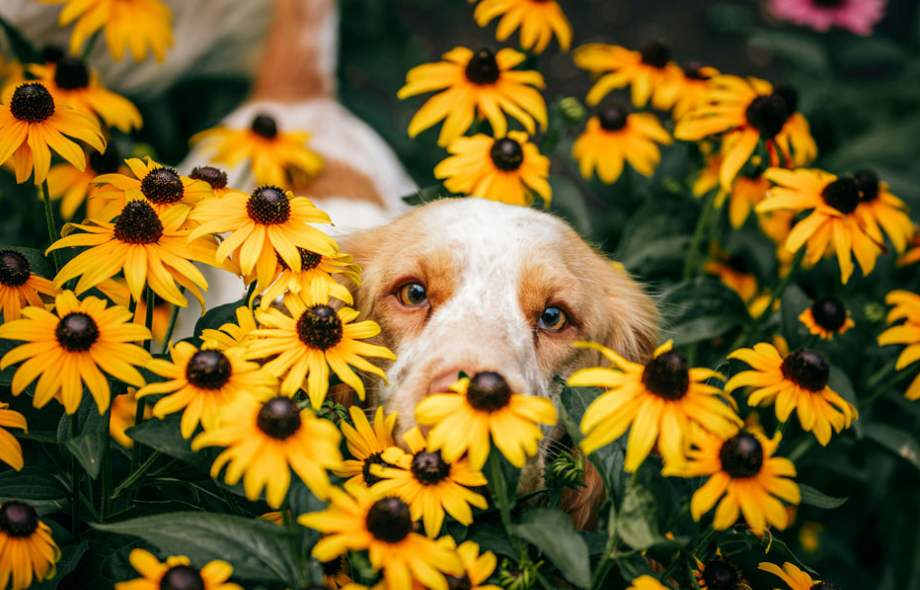
Spring brings colour back into our gardens and homes. Daffodils, tulips and hyacinths are some of the most popular spring bulbs in the UK. However, many of these beautiful plants are toxic to pets.
Every year, vets see cases of dogs digging up bulbs or cats nibbling indoor flowers. The consequences can range from mild stomach upset to life threatening poisoning. Understanding which garden bulbs are toxic to dogs and cats and knowing what to do if your pet is exposed can make all the difference.
In this guide, we will explain which bulbs are poisonous to pets, the symptoms to watch for, and how to keep your dog or cat safe.
Why Are Bulbs Toxic to Pets?
Many spring bulbs contain natural chemical compounds that protect them from pests. Unfortunately, these compounds can also be harmful to dogs and cats.
For example, daffodils contain lycorine and other alkaloids, particularly concentrated in the bulb. Tulips and hyacinths contain lactones that can irritate the mouth and digestive tract. Lilies contain compounds that are extremely dangerous to cats, even in very small amounts, and this includes the pollen.
The bulb itself is often the most toxic part of the plant. Dogs are especially at risk because they may dig up and chew freshly planted bulbs.
The Veterinary Poisons Information Service regularly reports cases of plant toxicity in pets, particularly during spring. Studies and clinical reports have consistently shown that ingestion of certain ornamental plants can cause significant gastrointestinal and, in some cases, systemic illness in dogs and cats.
Common Garden Bulbs That Are Toxic to Dogs and Cats:
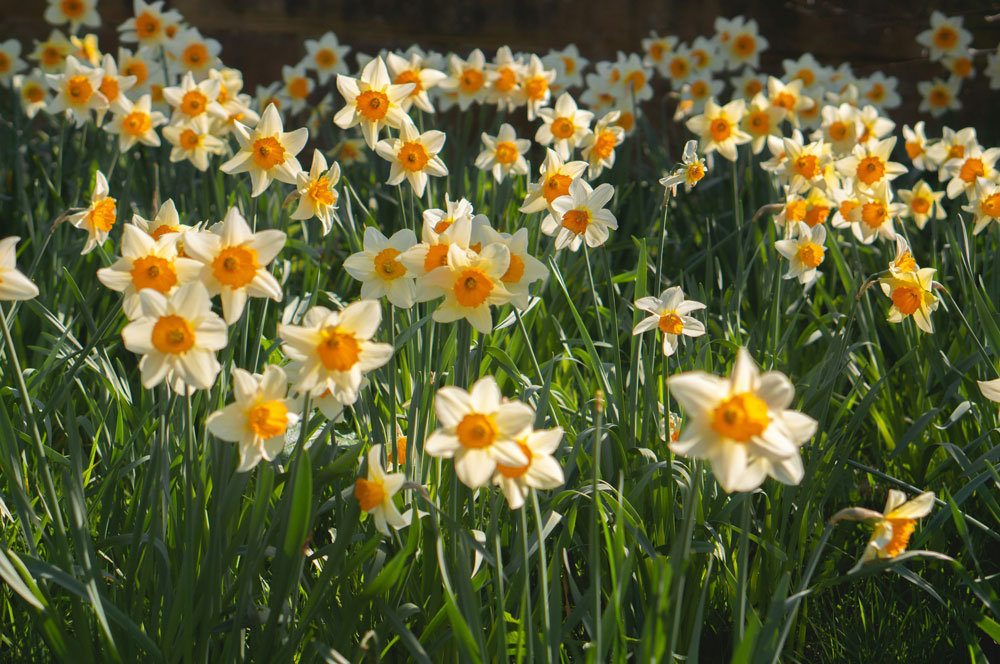
Daffodils
Daffodils are among the most common spring bulbs poisonous to pets. All parts are toxic, but the bulb is the most dangerous.
Symptoms may include:
- Vomiting
- Diarrhoea
- Drooling
- Abdominal pain
- In severe cases, heart rhythm abnormalities or low blood pressure
The RSPCA highlights daffodils as a frequent cause of springtime poisoning in dogs.
Tulips
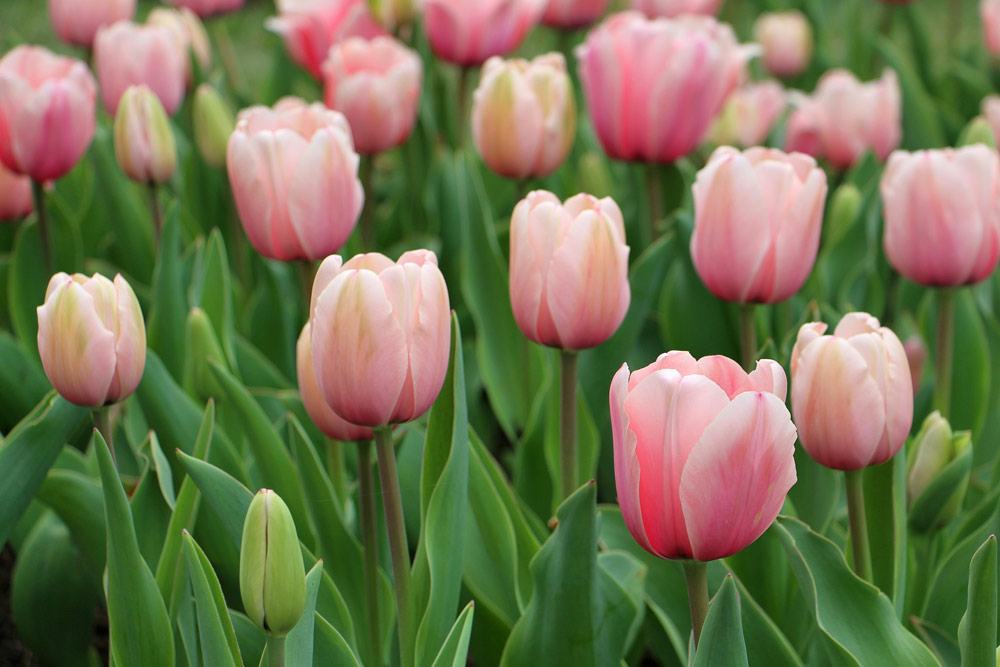
Tulips are toxic to dogs and cats, especially the bulb.
Common signs include:
- Intense drooling
- Vomiting
- Diarrhoea
- Oral irritation
Dogs that dig up newly planted bulbs are particularly at risk.
Hyacinths
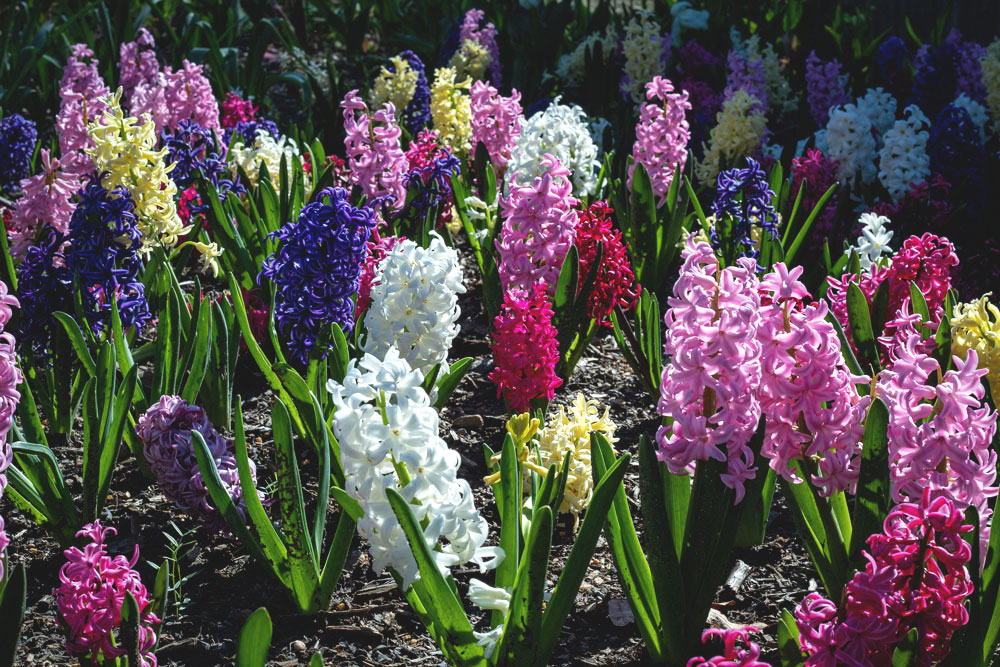
Hyacinths contain similar irritant compounds to tulips.
Pets may develop:
- Vomiting
- Diarrhoea
- Lethargy
- Mouth irritation
Handling bulbs can also cause skin irritation in some cases.
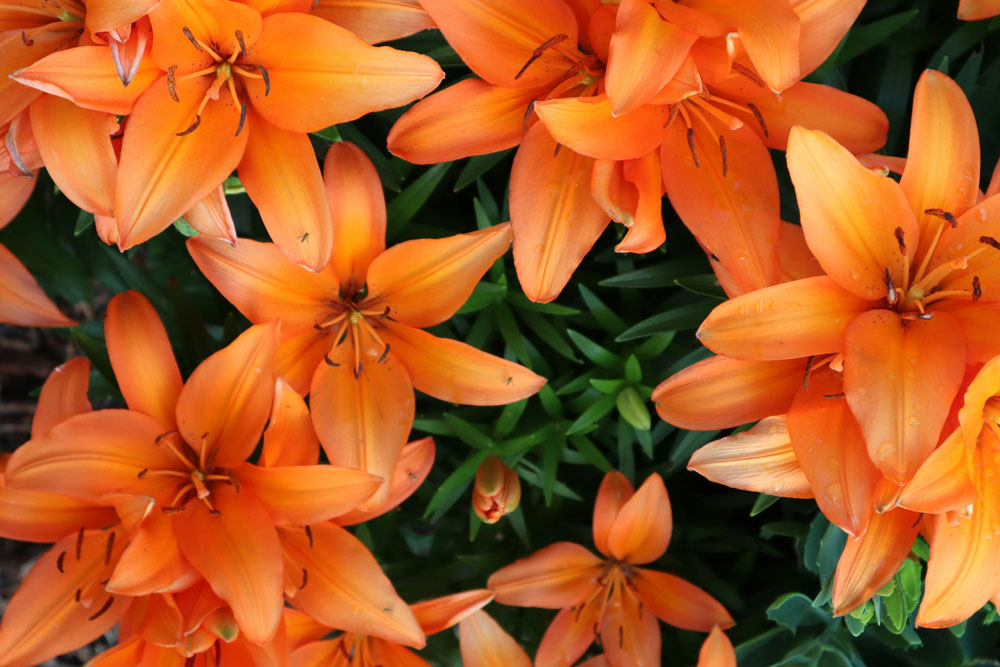
Lilies
Lilies are extremely toxic to cats. Even small exposures, such as licking pollen from fur, can cause acute kidney failure.
Research published in veterinary toxicology literature confirms that true lilies such as Easter lilies and tiger lilies can cause severe renal injury in cats within hours. Early treatment is critical.
If you have cats, it is safest to avoid keeping lilies in your home altogether. The PDSA strongly advises against them in cat households.
Indoor Flowers From Bulbs: Hidden Risks in the Home
Cut flowers brought indoors can pose just as much risk as garden plants. Cats may chew leaves or drink water from vases. Dogs may knock over arrangements and ingest petals or bulbs.
During spring and around holidays such as Easter and Mother’s Day, cases of lily and daffodil poisoning often increase.
If you are unsure whether a flower is safe, it is always best to check before bringing it into your home.
Symptoms of Bulb Poisoning in Dogs and Cats
Symptoms depend on the plant and the amount eaten, but common signs include:
- Vomiting
- Diarrhoea
- Drooling
- Loss of appetite
- Lethargy
- Abdominal pain
With lilies in cats, signs of kidney injury may include increased thirst, reduced urination, or complete inability to pass urine.
If your pet shows any of these signs after exposure to a plant, seek veterinary advice promptly. Early intervention significantly improves outcomes.
What Should I Do If My Dog or Cat Eats a Bulb?
- Remove any remaining plant material safely.
- Do not attempt to induce vomiting unless advised by a vet.
- Contact a vet immediately, even if your pet seems well.
Time matters, particularly with lilies in cats. Prompt treatment within the first few hours can prevent kidney damage.
With PawSquad’s 24/7 Vet Consults, you can speak to a UK registered vet within minutes. We can assess the risk, guide you on next steps, and help you decide whether urgent in person care is needed.
How to Make Your Garden and Home Safer
- Choose pet safe plants where possible. The RSPCA and PDSA both provide helpful lists.
- Plant bulbs in areas inaccessible to dogs and consider protective mesh over freshly planted beds.
- Avoid lilies entirely if you own cats.
- Supervise pets in newly planted areas, especially curious puppies.
- If your dog has a history of digging or chewing plants, a Behaviour and Training Consult can help address these habits safely.
- Don’t forget that depending on the size, ingesting bulbs whole could also be a choking hazard, and in some cases cause gastrointestinal obstruction, so it’s important to consult with a vet if your pet has eaten a bulb, even if you think the plant is not toxic.
Conclusion
Spring bulbs and indoor flowers add beauty to our homes and gardens, but many are toxic to dogs and cats. Daffodils, tulips, hyacinths and especially lilies can pose real risks.
Knowing which bulbs are poisonous to pets, recognising symptoms early, and acting quickly can prevent serious complications.
If you are ever unsure, do not wait. Download the PawSquad app and book a consultation with one of our UK vets. We are here 24 hours a day to give you clear, calm advice when you need it most.