
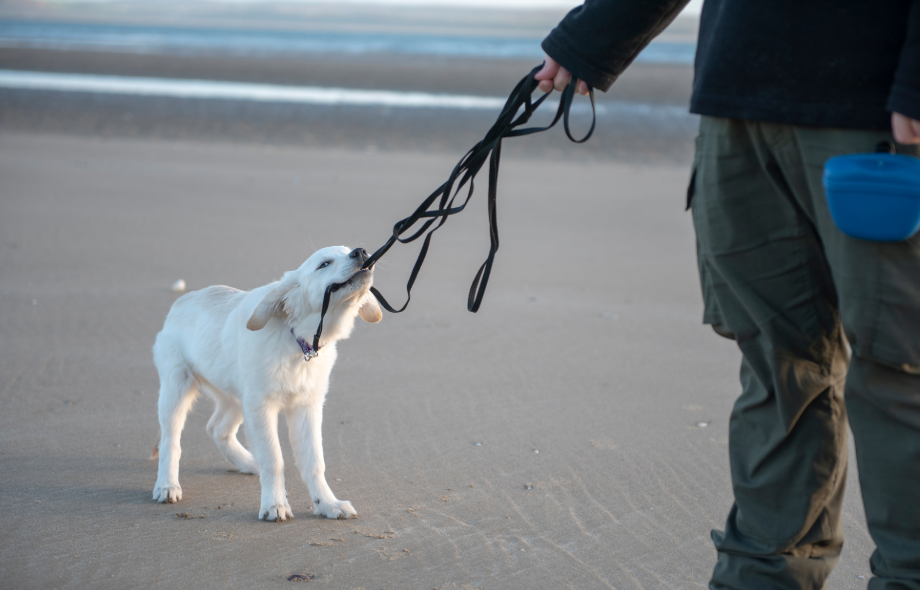
You’ve made it through the sleepless nights, toilet training mishaps, and endless chewing… and just when you think your puppy is finally “getting it,” everything seems to unravel.
If your once well-behaved pup is suddenly ignoring cues, pushing boundaries, or acting like they’ve forgotten all their training, you’re likely dealing with the adolescent phase in dogs.
This stage — often called the dog teenage phase — can catch even experienced owners off guard. Understanding puppy adolescence is key to navigating this tricky period with confidence and helping your dog grow into a well-adjusted adult.
What Is the Adolescent Phase in Dogs?
The adolescent phase in dogs typically occurs between 6 and 18 months of age, depending on breed and size.
During this time, your dog undergoes:
- Hormonal changes
- Brain development shifts
- Increased independence
In simple terms, your dog is testing boundaries — much like a human teenager.
Common behaviours include:
- Ignoring previously learned commands
- Increased excitability or hyperactivity
- Selective hearing (yes, really)
- Risk-taking behaviours
This doesn’t mean your training has failed — it means your dog is developing.

Why Young Dog Behaviour Problems Happen
Many young dog behaviour problems during adolescence are driven by a mix of biology and environment.
Key causes include:
Hormones:
Rising hormone levels can affect mood, focus, and behaviour — particularly in unneutered dogs.
Brain development:
Dogs’ impulse control is still maturing, which explains the sudden “bad decisions.”
Increased confidence:
Your dog is becoming more independent and may start testing limits.
Environmental stimulation:
Everything feels more exciting (and distracting), making training harder.
This is why many owners ask, “Why is my dog suddenly not listening?” — and the answer is: it’s normal, but it needs guidance.
Signs You’re in the Dog Teenage Phase
Not sure if your dog has entered puppy adolescence? Here are the telltale signs:
- Regression in training (forgetting cues like sit or recall)
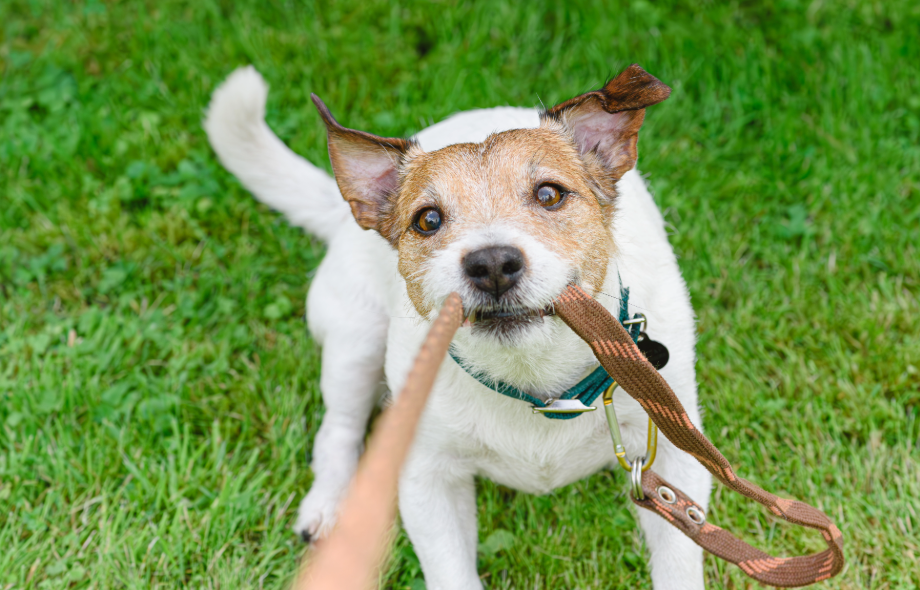
- Pulling on the lead after previously walking nicely
- Jumping up more frequently
- Ignoring commands outdoors
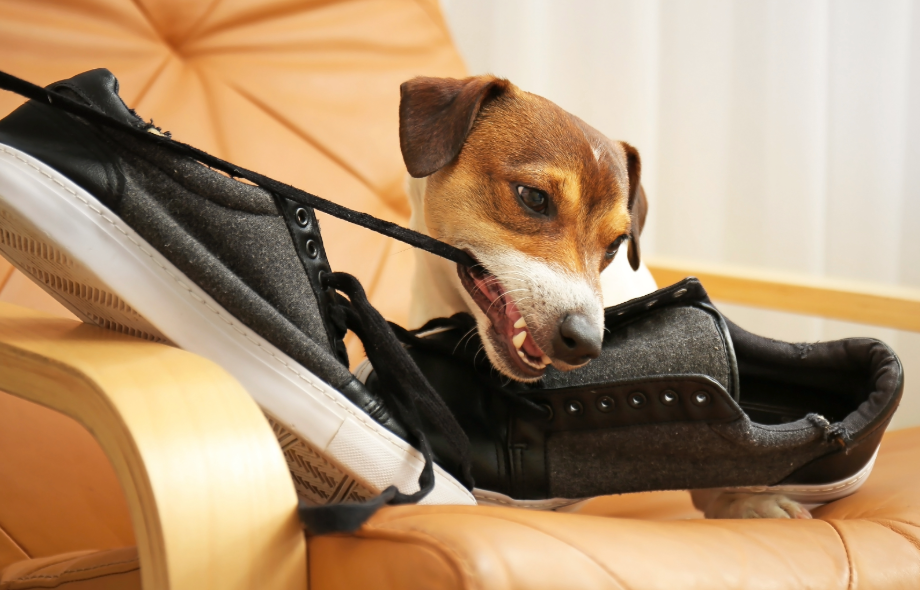
- Increased chewing or destructive behaviour
- Becoming more reactive to dogs or people
These dog behaviour changes from 6–18 months can feel frustrating, but they’re temporary with the right approach.
How to Train an Adolescent Dog
Training during the dog teenage phase isn’t about starting from scratch — it’s about reinforcing what your dog already knows.
1. Go Back to Basics
If your dog is struggling, simplify things:
- Practise commands in low-distraction environments
- Use short, consistent training sessions
- Reward good behaviour immediately
Think of it as a “refresher course,” not a failure.
2. Be Consistent (Even When It’s Annoying)
Adolescent dogs thrive on consistency — even if they act like they don’t care.
- Stick to routines
- Use the same commands and cues
- Ensure all family members follow the same rules
Mixed messages will only confuse your dog further.
3. Manage Energy Levels
A hyperactive young dog is often an under-stimulated one.
Balance is key:
- Daily physical exercise (appropriate for age and breed)
- Mental stimulation (puzzle toys, scent games, training)
If you’re unsure about the right balance, Nutrition Consults can also help ensure your dog’s diet supports healthy energy levels and development.
4. Focus on Positive Reinforcement
Punishment can increase frustration and confusion during adolescence.
Instead:
- Reward calm behaviour
- Reinforce desired actions
- Ignore attention-seeking behaviours where appropriate
If things feel overwhelming, Behaviour & Training Consults can provide tailored, expert support.
The Role of Neutering and Health
Hormones play a big role in young dog behaviour problems, but neutering decisions should be made carefully.
Some behaviours that may be influenced by hormones include:
- Roaming
- Mounting
- Marking
However, neutering isn’t a “quick fix” for all behaviour issues.
For personalised advice, speaking to a vet via 24/7 Vet Consults can help you decide what’s right for your dog.
Trusted organisations like the RSPCA and PDSA also provide guidance on neutering and responsible pet care.
Preventing Problem Behaviours from Escalating
The adolescent phase is a critical window. Without guidance, small issues can turn into long-term habits.
Practical tips:
- Reinforce training daily
- Avoid giving freedom too soon (e.g. off-lead in busy areas)
- Manage environments to reduce temptation
- Reward calm, controlled behaviour
Tracking your dog’s progress using Health & Happiness Tools can help you spot patterns and improvements over time.
When to Seek Veterinary or Behavioural Advice
While most dog teenage phase behaviours are normal, some situations need extra support.
Seek help if your dog:
- Shows aggression toward people or other dogs
- Has extreme anxiety or destructive behaviour
- Regresses significantly in training
- Displays sudden or unusual behaviour changes
Sometimes behaviour changes can be linked to underlying health issues, so early advice matters.
The British Veterinary Association (https://www.bva.co.uk) highlights the importance of early intervention to support long-term wellbeing.
Conclusion
The adolescent phase in dogs can feel like a step backwards — but it’s actually a crucial stage of development.
Your dog isn’t being difficult on purpose. They’re learning, growing, and figuring out the world — they just need consistent guidance to get there.
Key takeaways:
- Behaviour changes during puppy adolescence are normal
- Consistency and patience are essential
- Training should be reinforced, not restarted
- Early support can prevent long-term issues
With the right approach, this challenging phase will pass, and you’ll be left with a confident, well-behaved adult dog.
If you’re struggling or just want reassurance, download the PawSquad app today to access 24/7 Vet Consults, expert behaviour support, and tools designed to help you and your dog thrive.