
Lungworm (Angiostrongylus vasorum), sometimes referred to as ‘French Heartworm’ is a serious and potentially life-threatening parasite that affects dogs across the UK. Unlike intestinal worms that live in the guts, lungworm lives in the heart and blood vessels of the lungs. It can also spread to other vital areas of the body such as the brain, spinal cord, and eyes. While lungworm was once restricted to certain hotspots in the UK, in recent years it has spread significantly and is now a year-round concern for dog owners across the country.
How Do Dogs Catch Lungworm?
Dogs don’t catch lungworm directly from other dogs. Instead, they get it by accidentally (or sometimes on purpose!) eating slugs, snails, or even frogs that are carrying the larvae. Although lungworm is most common dogs under two years old, it can occur in any age and any breed.
Common ways your dog might be exposed to lungworm:
- Accidentally eating slugs and snails: It’s not uncommon for dogs to accidentally (or purposefully!) swallow a slug, snail or frog while sniffing through grass or eating plants.
- Slimy Toys and Bowls: If a slug or snail crawls over a toy or water bowl left outside, they can leave infectious larvae behind in their slime trail.
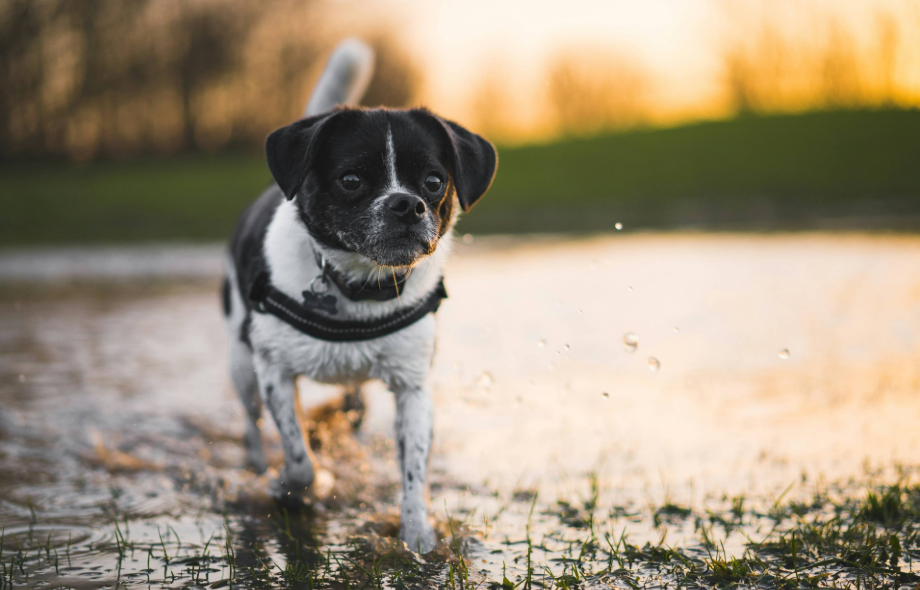
- Drinking Outdoors: Slugs, snails, frogs and lungworm larvae can all be present in puddles or stagnant water, which your dog might drink while out on a walk.

Identifying the Symptoms
Lungworm is often called a “silent killer” because symptoms are often vague, varied, and very difficult to spot until they suddenly become very serious. Some dogs may carry the parasite for months without showing any signs at all, then become seriously unwell over a very short period. Symptoms can include:
- Respiratory Issues: A persistent cough (often triggered by exercise), wheezing, or faster, heavier breathing.
- Poor Blood Clotting: This is a unique and dangerous symptom. You may notice excessive bleeding from minor cuts, nosebleeds, or unexplained bruising.
- General Sickness: Lethargy (depression), weight loss, or a reduced appetite.
- Neurological Signs: In severe cases, if lungworm spreads to the brain and/or spinal cord it can cause seizures or a “wobbly” gait. It can also cause spinal pain, behavioural changes, and paralysis.
- Occular (eye) symptoms: In some rare cases, lungworm can travel to, and cause problems inside the eyes.
Note: Because lungworm interferes with the blood’s ability to clot, vets often require a lungworm check before performing elective surgeries like neutering.
Diagnosis
Diagnosing lungworm can be difficult because none of the tests are 100% accurate. However, the tests involved usually include:
- Blood Tests: A “SNAP” test can often provide a rapid result by looking for lungworm antigens.
- Faecal (poo) Testing: Poo samples (taken over three consecutive days) can be used to diagnose lungworm.
- Imaging: X-rays may be used to assess damage to the heart and lungs.

Treatment for lungworm
The treatment required for lungworm depends on how severe the infection is, and the symptoms it’s causing.
- Mild cases: Most dogs make a full recovery if a lungworm infection is caught early. Treatment usually involves a lungworm-specific veterinary strength parasite product to kill the worms.
- Severe cases: In severe cases, where the infection has been present for longer, or symptoms are more severe, dogs may also require hospitalisation for oxygen therapy, fluid drips, or even blood transfusions. Sadly, in some very severe cases, treatment is not successful.
Preventing lungworm
The best way to protect your dog from lungworm is to reduce their exposure to slugs and snails, and by using a monthly lungworm treatment, especially if you live in a high-risk area. It’s important to be aware that over-the-counter worming tablets often do not protect against lungworm. Many owners believe their dog is protected because they “worm them regularly,” but lungworm requires specific active ingredients only usually available via prescription.
How to Protect Your Dog:
- Minimise your dog’s contact with slugs and snails: Bring toys and water bowls inside overnight to prevent slugs and snails from crawling over them.
- Fresh Water: Change outdoor water daily and wherever possible, try to avoid letting your dog drink from puddles or stagnant ponds.
- Monthly lungworm protection: For dogs living in high-risk areas, or those that spend a lot of time scavenging and playing outdoors, a monthly spot-on or tablet lungworm treatment is highly recommended. It’s important to get this treatment from your vet to ensure it’s specifically licensed for Lungworm (Angiostrongylus vasorum). Unlike many other worming treatments which can be given every 3 months, lungworm treatment needs to be monthly.
- Poo Picking: Regularly clearing up your dog’s poo helps break the life cycle, preventing lungworm larvae from entering the environment to infect more slugs and snails.