
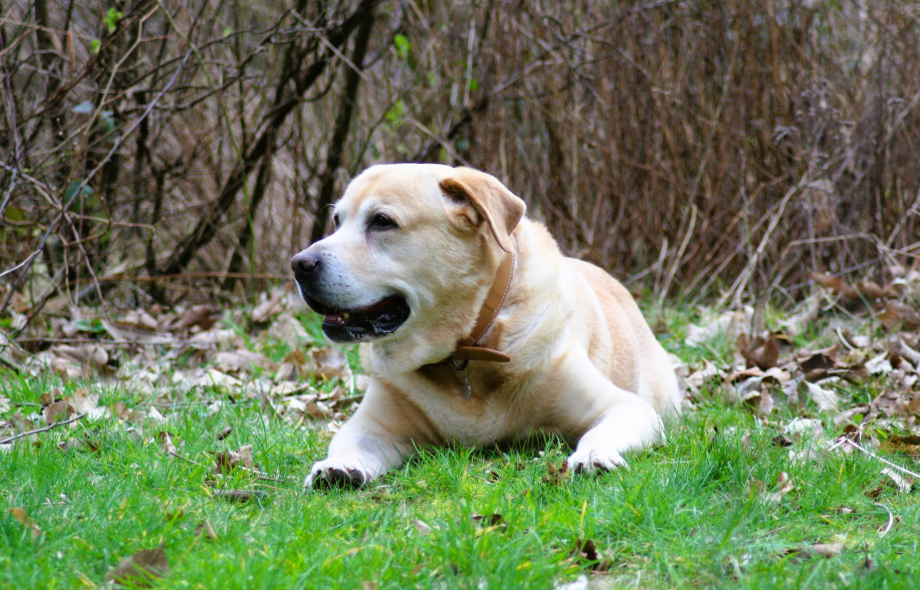
As our pets grow older, it’s natural for them to move at a slower pace. A senior dog might nap more often, or a once lively cat may prefer lounging by the window instead of sprinting through the house. But how do you know whether your pet slowing down is a normal part of ageing or a sign that something isn’t right?
This guide will help you recognise the difference between natural ageing and potential health problems, with advice on when to seek veterinary care.
Why Pets Slow Down with Age
Natural ageing changes
Just like people, pets experience changes in energy levels, stamina and flexibility as they age. It’s common for senior pets to:
– Sleep more during the day
– Take longer to recover after walks or play
– Show reduced interest in vigorous exercise
These changes are often normal, especially if your pet still enjoys food, playtime and affection.
When slowing down is not normal
Sometimes a drop in activity can signal an underlying problem. Issues such as arthritis, obesity, dental disease, heart conditions or even stress can all affect how lively your pet feels. Knowing what’s expected and what’s a red flag can make all the difference to their wellbeing.
Warning Signs That Deserve Attention
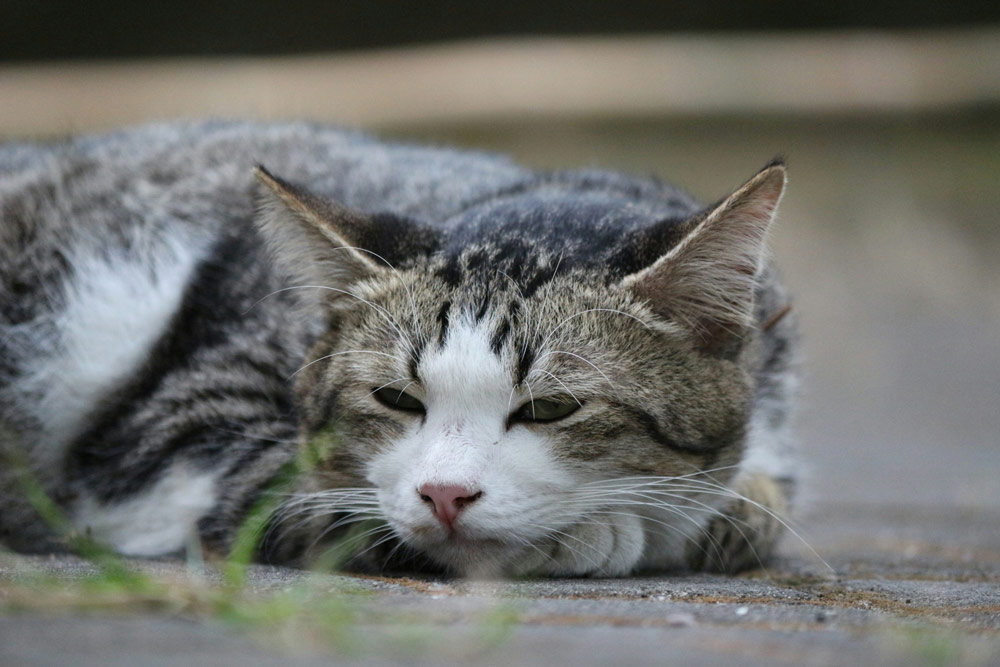
If your pet is slowing down, look out for these signs that suggest more than just ageing:
– Stiffness or limping – could be arthritis or joint issues.
– Difficulty standing up or climbing stairs – often linked to mobility problems.
– Sudden weight gain or loss – may point to thyroid, kidney or metabolic conditions.
– Changes in appetite or thirst – a possible sign of diabetes, dental pain or organ disease.
– Persistent coughing or heavy breathing – could indicate heart or lung issues.
– Behavioural changes – such as withdrawal, irritability, or loss of interest in play.
If you notice any of these symptoms, it’s important to book a vet consult promptly. With early intervention, many conditions can be managed effectively and help your pet stay comfortable.
Common Conditions Behind Slowing Down
Arthritis and mobility problems
Arthritis is one of the most common reasons pets slow down. Joint pain and stiffness can make walks, climbing, or even standing uncomfortable. Regular check-ups and mobility care can make a big difference. PawSquad offers dedicated Mobility Care support to help pets stay active for longer.
Obesity and reduced fitness
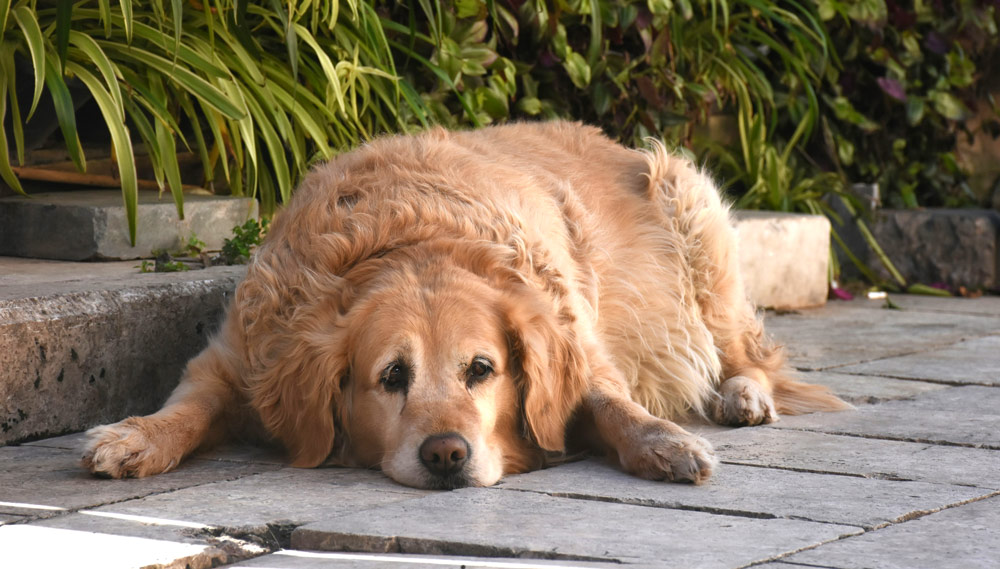
Carrying extra weight puts pressure on joints and organs, making your pet less energetic. If you’re unsure about your pet’s diet or portion sizes, a Nutrition Consult can provide tailored advice.
Behavioural or emotional changes
Sometimes slowing down isn’t just physical. Stress, boredom, or anxiety can reduce your pet’s activity levels. Our vets and behaviourists provide Behaviour & Training Consults to address these issues.
Underlying health conditions
Conditions like kidney disease, diabetes, or heart problems can reduce your pet’s energy. The earlier these are spotted, the better the outcome. With 24/7 Vet Consults from PawSquad, you can get expert guidance quickly if you’re concerned.
How to Support Your Ageing Pet
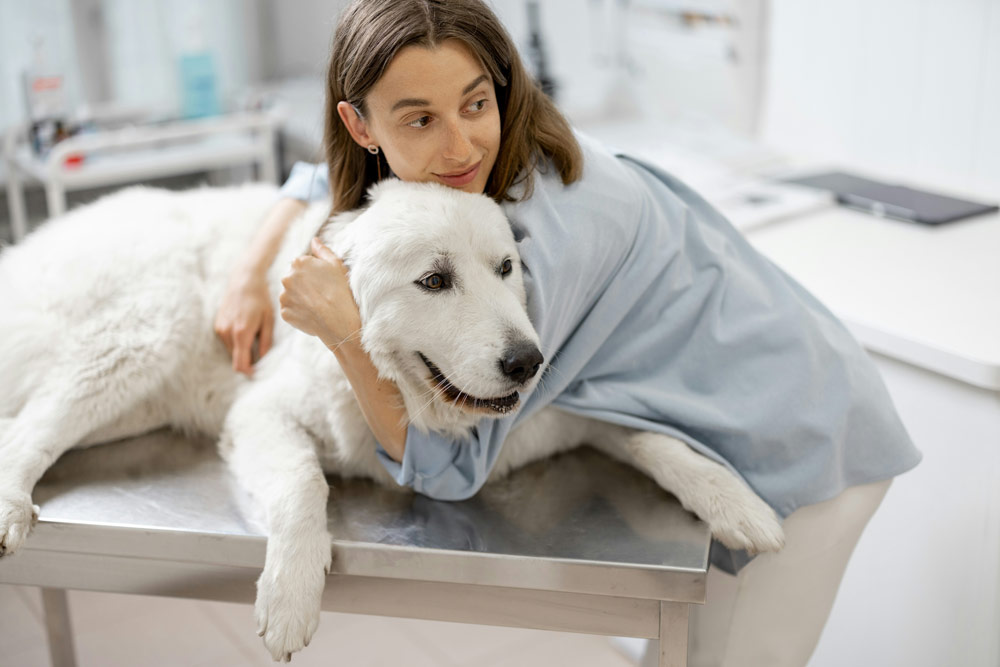
Even if slowing down is part of the ageing process, there are many ways to help your pet stay healthy and happy:
– Keep up gentle, regular exercise to maintain mobility.
– Provide soft bedding and easy access to favourite spots.
– Schedule regular health checks and blood tests to catch issues early.
– Adjust their diet to match their life stage and health needs.
– Use enrichment toys and activities to keep their mind stimulated.
For ongoing support, PawSquad’s Health & Happiness Tools are designed to help you monitor your pet’s wellbeing and pick up on changes early.
When to Seek Veterinary Help
If you’re ever unsure whether your pet’s slowing down is normal, it’s always better to seek advice. Even small changes in behaviour or energy can point to health concerns. PawSquad vets are available through 24/7 Vet Consults, so you can get reassurance and guidance whenever you need it.
In Conclusion…
Slowing down can be a natural part of ageing, but it can also be an early warning sign of illness or discomfort. By understanding what’s normal and what’s not, you can give your pet the best chance of a long, happy life.
If you’re worried about your pet, don’t wait. Speak to a vet through PawSquad today for expert reassurance and personalised advice.