

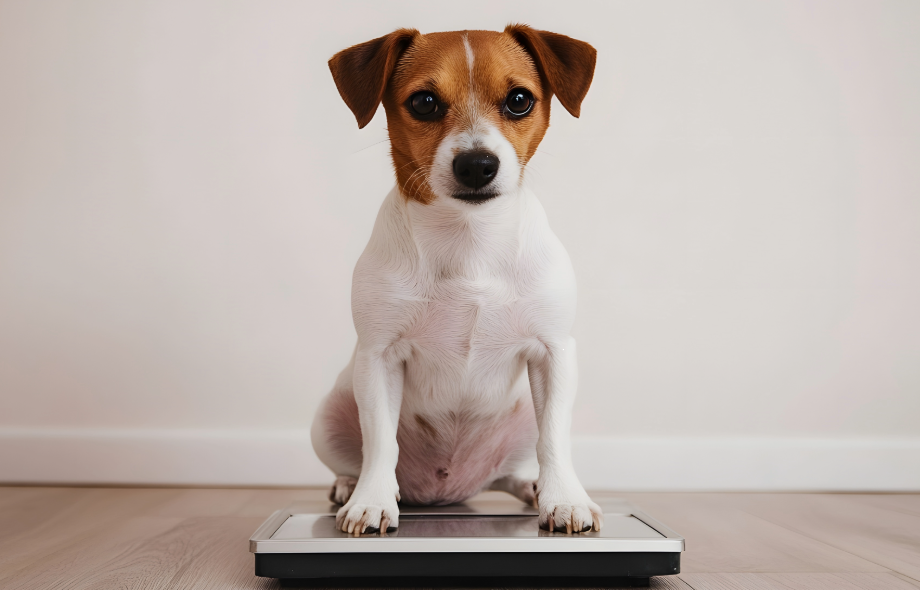
Keeping your pet at a healthy weight is one of the most important things you can do for their long-term health. Just like people, pets who are overweight or underweight are more likely to face health problems. Sadly, around half of UK dogs and cats are above their ideal weight. The good news? With the right guidance, you can help your pet reach and maintain a healthier weight.
This article explains how to tell if your pet is at a healthy weight, why it matters, and what to do if you’re worried.
Why Weight Matters for Pets
Extra weight can shorten your pet’s life and raise the risk of diabetes, arthritis, heart problems, and breathing issues. Underweight pets may struggle with poor nutrition, parasites, or illness.
At a healthy weight, pets are more energetic, comfortable, and able to enjoy the things they love – whether that’s long walks, playtime, or cuddles.
How to Check Your Pet’s Weight
Body Condition Score (BCS)
Vets use the Body Condition Score to check if a pet is too thin, too heavy, or just right. You can try it at home and enter results into the PawSquad app, so you’re aware of any changes or cause for concern:
– Ribs: Easily felt but not sticking out.
– Waist: Visible from above, just behind the ribs.
– Tummy tuck: Belly slopes upwards towards the back legs.
If you can’t feel your pet’s ribs at all, they may be overweight. If ribs and bones are very obvious, they may be underweight.
Regular Weigh-ins
Weighing your pet gives a clear picture. Many vet practices offer free weigh-ins, or you can use bathroom scales at home (weigh yourself, then again holding your pet, and subtract the difference). Again, use our tracking tool to log your pet’s weight and monitor over time.

Signs Your Pet May Be Overweight
– Struggles to keep up on walks
– Pants or tires easily
– Rounded belly or no waistline
– Hesitates to jump or climb
What to Do if Your Pet is Overweight
Adjust Food and Treats
Overfeeding is the main cause of obesity. Try:
– Weighing meals with a scoop or scales
– Cutting back on treats (swap for carrot sticks or play rewards)
– Switching to a vet-recommended weight management food, with advice from a PawSquad Nutrition Consult
Boost Daily Exercise
For dogs, add extra walks or games of fetch. For indoor cats, encourage play with toys, climbing trees, or puzzle feeders.
Track Progress
Steady weight loss is healthier than sudden changes. Keep a weekly log of your pet’s weight and body shape.
Signs Your Pet May Be Underweight
– Visible ribs, hips, or spine
– Low energy
– Dull coat or loss of muscle
– Normal appetite but still losing weight
If you spot these signs, it’s best to seek veterinary advice.
What to Do if Your Pet is Underweight
Rule Out Health Issues
Worms, dental pain, or long-term illness can all cause weight loss. A consult with PawSquad can help identify next steps.
Improve Diet
Your vet may recommend higher-calorie food, smaller frequent meals, or supplements. PawSquad’s Nutrition Consults can guide you through safe, tailored changes.
Monitor Closely
Check your pet’s weight each week and watch for changes in appetite, coat quality, or behaviour.
Keeping Your Pet at a Healthy Weight
– Routine checks: Annual vet visits or monthly weigh-ins (use PawSquad’s tracker tools to monitor weight and body condition over time)
– Consistent feeding: Stick to measured portions, avoid topping up bowls.
– Exercise habits: Build activity into daily routines.
– Support tools: PawSquad’s Health & Happiness Tools offer reminders and personalised care.
When to Ask for Professional Help
If your pet’s weight changes suddenly, or if you’re unsure about their condition, seek advice quickly. Sudden weight loss or gain can signal underlying illness.
PawSquad vets are available day and night with 24/7 Vet Consults. We also provide help with Behaviour & Training, Nutrition, and Mobility Care to support your pet’s overall wellbeing.
A healthy weight helps your pet live a longer, happier life. By learning how to check their body condition, making small adjustments to food and exercise, and seeking professional guidance when needed, you can protect your pet’s health for years to come.
If you’re concerned about your pet’s weight, don’t wait. Speak to PawSquad today for expert, personalised advice.