
Heatstroke is a true emergency.
It happens when a pet’s body temperature rises to a dangerous level and they cannot cool themselves effectively. It can cause damage to the brain, gut, kidneys, liver, heart and clotting system, and it can be fatal even when treatment is started.
Dogs are more commonly affected, but cats can suffer from heat-related illness too, especially if they are trapped somewhere hot, have limited access to shade or water, are very young or elderly, are overweight, have breathing problems, or have underlying disease.
The most important message is that owners should start cooling immediately while arranging urgent veterinary care. The Royal Veterinary College and RSPCA both promote the advice to cool first, transport second for overheating dogs
Why heatstroke can happen even in the UK
UK heat can be enough to cause serious illness. Pets do not need to be in extreme holiday temperatures to overheat. Warm, humid weather, poor airflow, exercise, stress, obesity, thick coats and restricted breathing can all reduce a pet’s ability to lose heat.
Dogs mainly cool themselves by panting. Panting is less effective when humidity is high or when a dog can’t move enough air. Flat-faced breeds, such as Bulldogs, French Bulldogs and Pugs, are at higher risk because their airways are already compromised. Older dogs, puppies,larger breeds, overweight dogs, dogs with heart or lung disease, and dogs who are very active or anxious are also more vulnerable.
Cats often avoid heat by seeking shade and resting, so heatstroke may be less obvious at first, but a cat trapped in a conservatory, shed, car, carrier, poorly ventilated room or sunny windowsill area can still overheat.
Early signs you should never ignore
Early heat stress can look like a pet who is simply too warm, but it can progress quickly.
In dogs, warning signs include:
- heavy panting,
- noisy breathing,
- drooling,
- restlessness,
- seeking shade,
- slowing down on a walk,
- reluctance to continue,
- red or dark gums,
- vomiting, diarrhoea, weakness or appearing confused.
More severe signs include collapse, seizures, severe wobbliness, pale or blue gums, blood in vomit or diarrhoea, reduced responsiveness, or loss of consciousness. These signs need emergency veterinary treatment.
In cats, warning signs include:
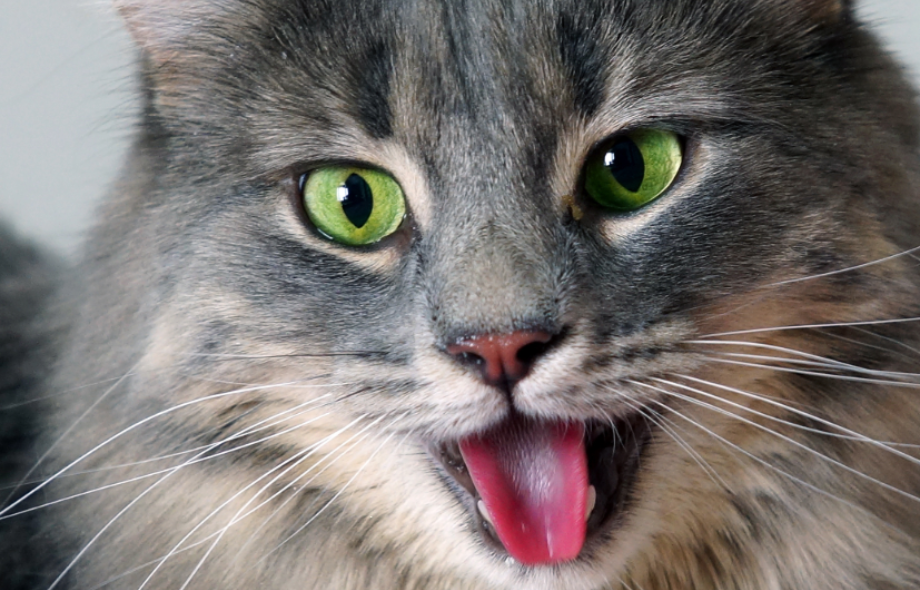
- Open-mouth breathing or panting, drooling, agitation (Open-mouth breathing in a cat is always concerning and should be taken seriously)
- bright red gums,
- vomiting, weakness, wobbliness, collapse or unusual quietness.
What to do immediately – WET THEN VET!
- Move your pet away from heat straight away.
- Start cooling their bodies with water
- Take them to a cool, shaded and well ventilated area.
- Use a fan, open windows in a safe way, or use air conditioning if available.
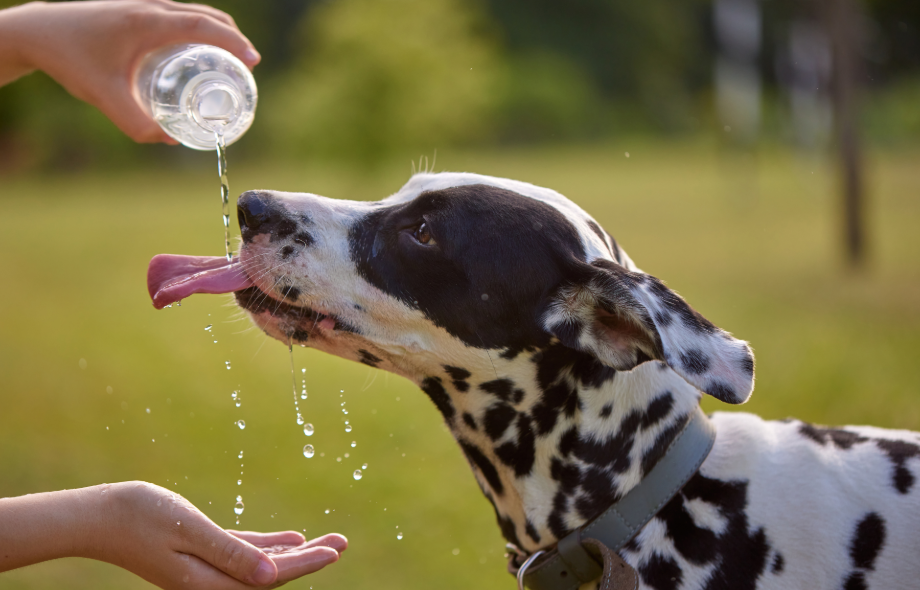
- Offer small amounts of cool water, but do not force them to drink.
- Start active cooling while contacting a vet. Current advice no longer supports delaying cooling until you reach the veterinary practice. RVC guidance says cold water immersion can be effective for young, healthy dogs, while pouring water that is cooler than the dog over them combined with air movement is recommended for older dogs, large breeds or dogs with underlying health problems.
- Start cooling them with water. Pour cold tap water over their body, or use a shower or hose if you can. Keep the water flowing rather than covering them with wet towels, as towels can trap heat once they warm up.
- For many pets, especially cats, older dogs, flat-faced dogs or pets with health problems, pouring cool water over the body while using a fan or air movement is a practical option.
- Keep cooling during travel if you can do so safely – If possible, don’t walk them to the vet. Whilst still wet, take them in an air conditioned car, or keep the windows down so there is air flowing over them. Do not cover the pet with wet towels for long periods, as towels can trap heat once they warm up. If using towels to move water, keep replacing them and prioritise water plus airflow.
- Don’t use ice-cold water if it delays action or makes the pet harder to handle, and it can make matters worse if it makes them shiver and therefore generate even more heat. The key is rapid, effective cooling with water cooler than the pet and good airflow.
Do not wait to see whether they improve before calling a vet.
Why you still need a vet even if your pet seems better
A pet can look brighter after cooling but still have internal damage. Heatstroke can affect clotting, organs and the gut. Complications may appear later. Your vet may need to check temperature, hydration, blood pressure, blood glucose, organ markers and clotting, and may need to give oxygen, fluids or other supportive care.
This is why heatstroke should not be managed as a home-care-only problem. Cooling is first aid, not the full treatment.
Common situations that lead to heatstroke
Cars are the obvious risk, but they are not the only one. Dogs can overheat on walks, during play, while running with owners, at the beach, in gardens with limited shade, at outdoor events, during travel, or after being left in poorly ventilated spaces. Cats can overheat in conservatories, sheds, greenhouses, carriers, cars or rooms with direct sun and no escape route.
One point owners may not know is that water play is not automatically safe. A dog who swims hard, chases balls repeatedly at the beach or runs in and out of the sea can still overheat. Excitement and exercise can generate more heat than cooling water removes.
Prevention that’s actually useful
Avoid walks during the hottest part of the day. Choose early morning or late evening, keep walks gentle, and skip ball throwing in heat. Provide shade and fresh water, use cooling mats carefully if your pet likes them, and never leave pets in cars, conservatories or unventilated spaces.
Be especially cautious with flat-faced breeds, overweight pets, very young or older animals, and pets with heart or breathing disease. These pets may struggle in temperatures that seem manageable for other animals.
For cats, check where they sleep during the day. A sunny room can become much hotter than expected. Make sure they can move to cooler areas, provide multiple water bowls, and avoid transporting cats in hot cars unless necessary.
How PawSquad can help
If you think your pet has heatstroke, start cooling and contact an emergency vet immediately.
Do not use PawSquad in a way that delays emergency treatment!
- We can help with prevention and early uncertainty.
For example, if your dog seems a little too hot after a walk, your cat has been shut in a warm room, or you are unsure whether mild signs are concerning, We can help you assess a situation and decide what to do next. - We are always there for quick guidance when you are worried but not yet sure whether it is an emergency.
For clear signs of heatstroke, collapse, breathing difficulty, seizures, extreme weakness, blood in vomit or diarrhoea, or a cat breathing open-mouthed, seek urgent in-person veterinary care.