
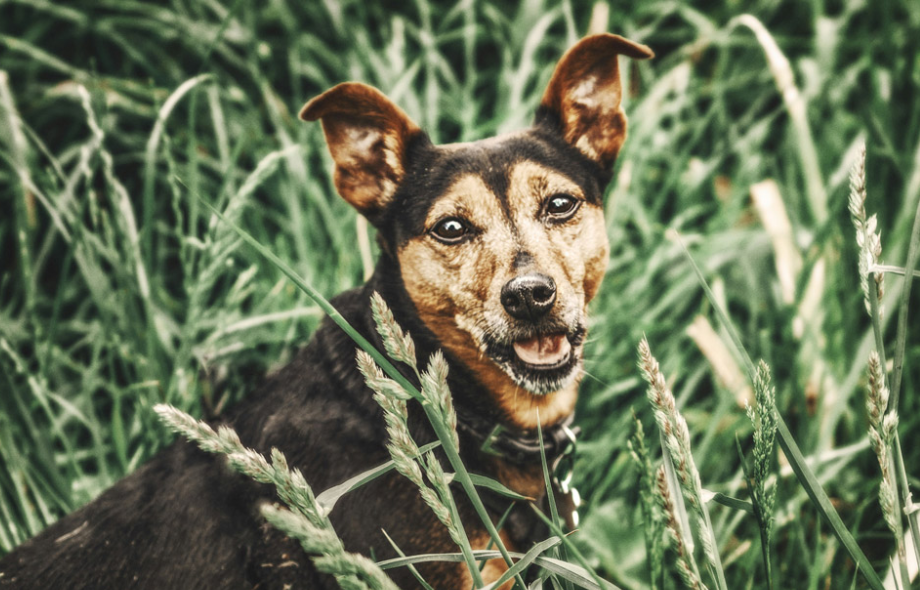
As spring moves into early summer, many veterinary practices begin seeing a rise in a particular seasonal problem: grass seeds in dogs.
From May onwards, grass seeds become dry, sharp and easily detached from grasses found in parks, fields and even gardens. Because of their pointed shape, they can attach to a dog’s coat and gradually work their way into the skin, ears, nose or paws.
Grass seed injuries can start as a small irritation but may quickly become painful and sometimes require veterinary treatment.
Knowing how grass seeds affect dogs, the signs to look out for and how to check your dog after walks can help prevent a minor problem becoming something more serious.
Why Grass Seeds Become a Problem in May
Grass seeds are the reproductive part of many common grasses. As the weather warms and grasses mature in late spring, the seeds dry out and detach more easily.
Their structure makes them particularly troublesome for dogs. Each seed has tiny barbs that allow it to move forwards through fur and tissue, but not backwards. Once attached to a coat, they can gradually migrate into the body.
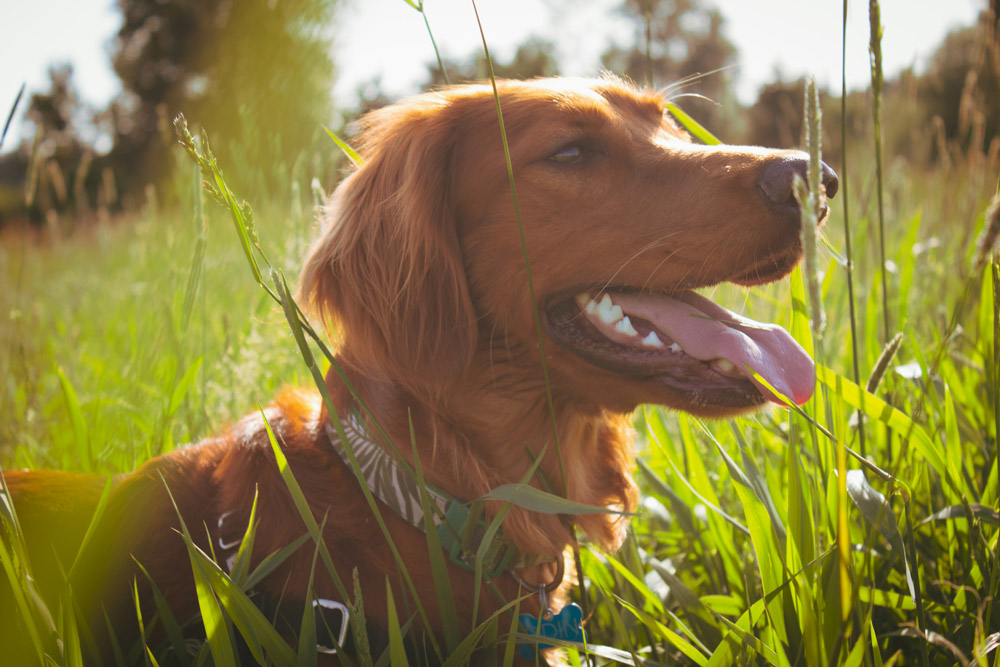
Dogs that run through long grass are especially at risk. Active breeds, working dogs and those with longer coats may collect multiple seeds during a single walk.
In the UK, the grass seed season usually runs from May through to late summer, depending on weather conditions.
Where Grass Seeds Commonly Get Stuck
Grass seeds can attach anywhere on a dog’s body, but certain areas are particularly vulnerable.
Paws:
The spaces between a dog’s toes are one of the most common sites for grass seed injuries. Seeds can lodge between the pads and work their way under the skin.
Signs may include:
- Limping
- Excessive licking of the paw
- Swelling between the toes
- Redness or discharge
Ears:
Grass seeds can easily enter a dog’s ear canal when running through long grass.
Dogs with ear involvement often show sudden signs such as:
- Head shaking
- Pawing at the ear
- Holding the head tilted
- Yelp of pain when the ear is touched
A grass seed in the ear can be extremely uncomfortable and should be checked by a vet promptly.
Nose:
Occasionally grass seeds can be inhaled through the nose.
This can cause:
- Sudden violent sneezing
- Nose rubbing
- Nasal discharge
- Bleeding from the nostril
These signs often begin immediately after a walk through grassy areas.
Skin and Coat:
Grass seeds can also penetrate the skin in areas such as the armpits, groin, eyelids or under the collar.
You may notice a small swelling, redness or a lump that appears suddenly after a walk.
Why are grass seeds considered so dangerous?
Whilst grass seeds are small, they can cause significant problems.
Because they only move in one direction, seeds can migrate deeper into tissues if left untreated. This may lead to infection, abscess formation or more complicated surgical removal.
In rare cases, grass seeds can travel beneath the skin or through body cavities causing even bigger problems, so early detection and removal greatly reduces the risk of complications.
How to Check Your Dog After Walks
A quick check after walks during grass seed season can make a big difference.
Focus on areas where seeds commonly attach:
- Between the toes
- Inside and around the ears
- Armpits and groin
- Around the eyes
- Under the collar
- Through the coat, especially in longer haired dogs
Brushing your dog after walks can help remove loose seeds before they embed.
For dogs with long coats, keeping fur around the paws and ears trimmed during summer may also reduce the risk.
When to Contact a Vet
If you suspect a grass seed injury, early veterinary advice is important.
Contact a vet if your dog shows:
- Persistent paw licking or limping
- Sudden head shaking
- Painful ears
- Continuous sneezing
- A new swelling or wound after a walk
Grass seeds that have entered the ear, nose or skin often need professional removal. Trying to remove them at home can sometimes push the seed deeper.
A vet can examine the area safely and determine whether treatment is required.
How PawSquad Can Help
Grass seed problems often begin with subtle symptoms, and it can be difficult to know whether something is serious. A remote video consultation can help you assess the situation quickly, and you can upload any photos of videos you managed to capture earlier if you have a wriggler of a pet!
PawSquad can then discuss your dog’s symptoms, guide you on what to check at home and help you decide whether they need in-person treatment.
If repeated paw licking or outdoor behaviour is becoming a pattern, we also offer behaviour and training consultations that can help reduce risk in adventurous dogs.
Conclusion
Whilst grass seeds are common, they’re an often overlooked seasonal risk for dogs in the UK. As grasses mature from May onwards, seeds can easily attach to coats and work their way into paws, ears, noses or skin, so this is the time to keep a close eye and be more aware.
Regular checks after walks and early attention to symptoms such as paw licking, head shaking or sudden sneezing can help catch problems quickly.
If you are unsure whether your dog may have picked up a grass seed, speaking with a vet can provide reassurance and help you decide what to do next.
Download the PawSquad app to access vet consultations 24 hours a day, 365 days a year.