
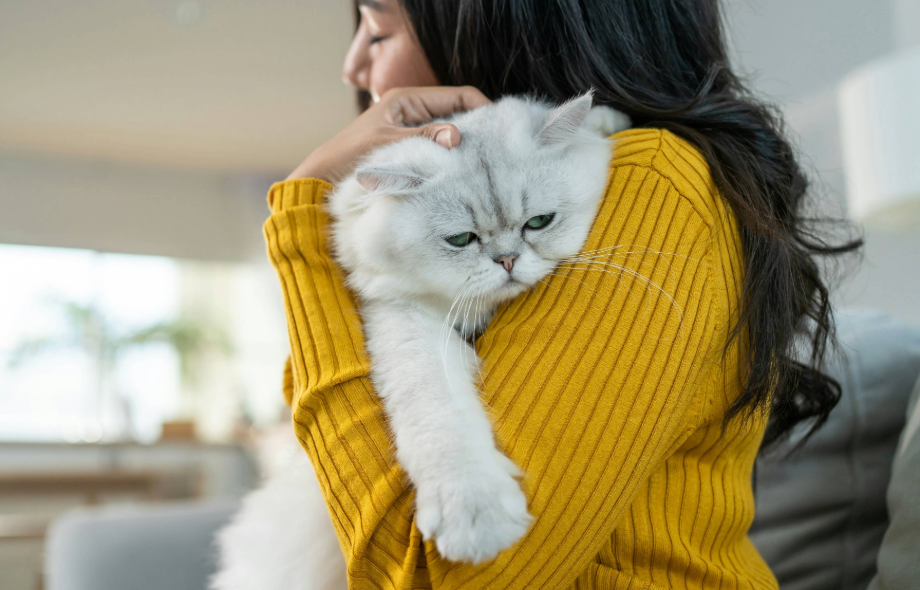
When your pet has an accident or suddenly falls ill, it can be frightening and stressful. Knowing some basic first aid for pets can make all the difference while you get professional help. Although nothing replaces a vet’s expertise, simple steps such as bandaging a wound, recognising signs of shock, or safely transporting your pet to a clinic can help stabilise them and may even save their life.
This guide covers essential first aid advice for dogs and cats, giving you confidence to act quickly in an emergency.
What Is Pet First Aid and Why Does It Matter?
Pet first aid is the immediate care you can provide to your pet before reaching a vet. Just as with people, accidents happen – from cuts and scrapes to choking or heatstroke. Having a basic understanding of what to do can:
– Prevent injuries from worsening
– Keep your pet calm and safe
– Buy valuable time while you arrange veterinary care
If you’re unsure or worried about your pet’s condition, remember you can always speak to a vet through services such as PawSquad’s 24/7 Vet Consults.
Building a Pet First Aid Kit
A pet first aid kit is something every owner should keep at home and in the car. Essentials include:
– Sterile gauze pads and non-stick dressings
– Bandages and adhesive tape
– Blunt-ended scissors
– Antiseptic wipes or solution (pet-safe)
– Disposable gloves
– A digital thermometer
– Tick remover tool
– A blanket for warmth or to use as a stretcher
You can buy ready-made kits or assemble your own. Make sure everything is pet-safe and check expiry dates regularly.
Common Pet Emergencies and What to Do
Cuts, Scratches and Bleeding
- Apply gentle pressure with a clean cloth or gauze to stop the bleeding.
- Once bleeding slows, wrap with a bandage to keep the area clean.
- Avoid using human antiseptics unless advised by a vet.
- Seek vet advice if the wound is deep, won’t stop bleeding, or is near eyes or joints.
Choking
- Signs include pawing at the mouth, difficulty breathing, or gagging.
- Look inside the mouth and remove any visible object if it’s safe.
- Never blindly put your fingers down your pet’s throat.
- If they collapse or cannot breathe, call a vet immediately.
Heatstroke
- Move your pet to a cool, shaded area.
- Offer small amounts of cool (not icy) water.
- Poor cool (not icy) water on your pet and combine with air movement from a breeze or fan. For young, healthy dogs, cold water immersion can also be used.
- Contact a vet urgently – heatstroke can be life-threatening.
Read more advice on treating heatstroke from the Royal Veterinary College.
Seizures
- Keep your pet safe by moving objects away.
- Do not try to hold them down or put anything in their mouth.
- Time the seizure – if it lasts longer than five minutes, seek emergency help.
- After the seizure, keep your pet calm and call a vet.
Broken Bones or Trauma
- Avoid moving your pet unless absolutely necessary.
- If you must move them, use a blanket or board as a stretcher.
- Never try to straighten a limb yourself.
- Contact a vet immediately.
Knowing When to Call a Vet
First aid is only the first step. Always follow up with a professional, even if your pet seems better. Urgent vet attention is needed if your pet is:
– Struggling to breathe
– Bleeding heavily
– Experiencing repeated vomiting or diarrhoea
– Collapsing or unresponsive
– In severe pain
With PawSquad’s 24/7 Vet Consults, you can speak to a vet right away from the comfort of your home, day or night.
How PawSquad Can Support You
While you can’t predict emergencies, you can be prepared. PawSquad offers a range of services to help you keep your pet safe and healthy:
- 24/7 Vet Consults – Immediate access to a UK-qualified vet, anytime.
- Behaviour & Training Consults – Support for stress or trauma after an incident.
- Nutrition Consults – Guidance to keep your pet fit and resilient.
- Mobility Care – Helping pets recover safely from injuries.
- Health & Happiness Tools – Resources to stay on top of everyday wellness.
First aid for pets is about acting quickly, staying calm, and knowing what steps can help until you reach professional care. By keeping a first aid kit, learning basic emergency responses, and having access to trusted vets, you can give your pet the best chance of recovery.
For peace of mind, download the PawSquad app and be prepared with 24/7 veterinary support whenever you need it most.
Useful Links
RSPCA – Pet First Aid: https://www.rspca.org.uk/adviceandwelfare/pets/general/firstaid
PDSA – Dog First Aid: https://www.pdsa.org.uk/pet-help-and-advice/pet-first-aid
British Veterinary Association: https://www.bva.co.uk/