

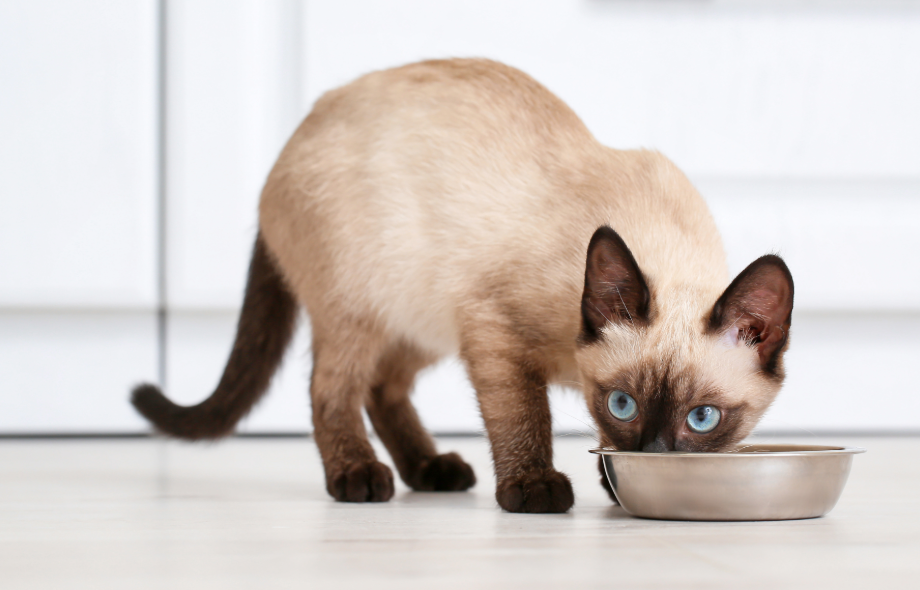
If you’ve ever watched your pet sniff their food and walk away, you know how stressful fussy eating can be. Cats and dogs refusing meals isn’t just frustrating – it can also leave you worrying about their health. While some pets are naturally choosy, fussiness can sometimes be a sign of an underlying issue. With the right knowledge, patience, and support, you can help your pet develop healthier eating habits and enjoy mealtimes again.
Why Some Pets Are Fussy Eaters
Fussy eating isn’t always just a preference. There are several possible causes:
– Medical reasons: Painful teeth, tummy upsets or illness can put pets off food. If your pet’s appetite suddenly changes, it’s important to seek veterinary advice.
– Behavioural factors: Some pets quickly learn that refusing food brings attention or tastier alternatives.
– Sudden dietary changes: Switching brands or flavours too quickly can unsettle digestion and cause fussiness.
If you’re unsure whether your pet is just being picky or something more serious is going on, speaking to a vet is the best first step. PawSquad’s 24/7 Vet Consults make it easy to get reassurance at any time.
Top Tips for Feeding Fussy Pets
Keep a Routine
Offer meals at the same times each day. Remove food after 15–20 minutes if it’s untouched. This sets clear boundaries and prevents constant grazing.
Choose a Quality Diet
A complete, balanced food ensures your pet gets the nutrients they need. If you’re unsure which brand or diet is best, PawSquad’s Nutrition Consults can provide tailored guidance.
Limit Treats
Too many treats – or scraps from the table – can make regular meals less appealing. Keep treats as occasional rewards, and choose healthy options.
Make Mealtimes Enjoyable
Avoid forcing food. Instead, encourage positive associations. Dogs often enjoy puzzle feeders or scatter feeding, while cats prefer calm, private spaces away from other pets.
Introduce New Foods Slowly
When changing diets, do it gradually over 7–10 days by mixing the new food with the old. This avoids digestive upset and helps your pet accept the change.
Address Behavioural Habits
If fussiness is more about behaviour than food, PawSquad’s Behaviour & Training Consults can help you build healthier mealtime routines.
When to Worry About Fussiness
Most pets go through picky phases, but you should seek veterinary advice if your pet:
– Stops eating altogether
– Loses weight suddenly
– Shows signs of pain, vomiting or diarrhoea
– Has ongoing appetite changes
With PawSquad, you don’t have to wait – vets are available day and night to give you peace of mind.
Practical Things to Try at Home
– Warm wet food slightly to release aromas and boost appeal.
– Add warm water to kibble to soften it and enhance flavour.
– Rotate proteins (like chicken or salmon) within the same brand to provide variety without upsetting digestion.
– Keep feeding areas clean and bowls washed daily.
– Support older pets: if fussiness is linked to stiffness or pain, PawSquad’s Mobility Care can help address the root cause.
Feeding a fussy pet can be frustrating, but with consistency, the right diet, and expert support, most cats and dogs can overcome picky habits. Remember – sudden or prolonged loss of appetite can point to underlying health issues and should never be ignored.
For expert reassurance, PawSquad is always at hand. Speak to a vet for Nutrition Advice today.