

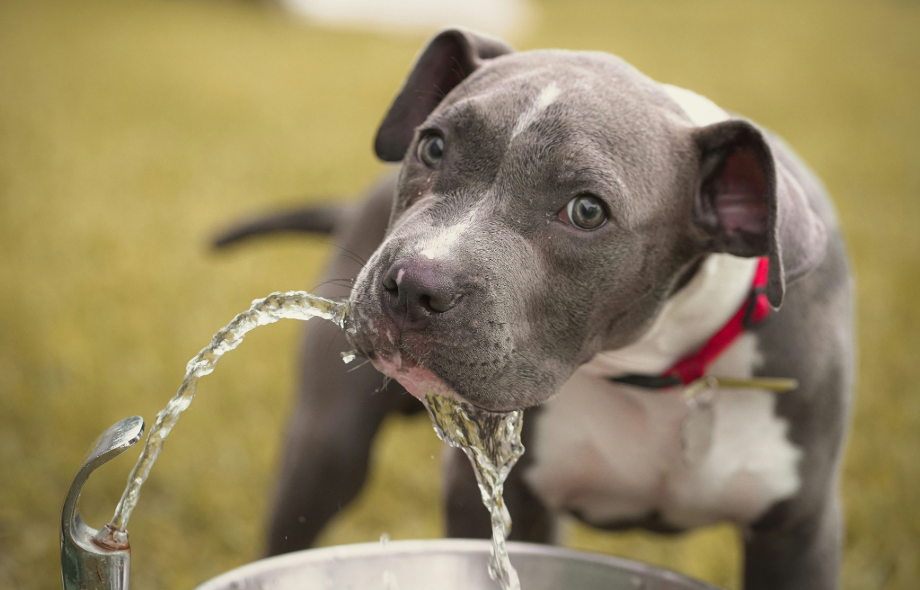
Perhaps you’re topping up the water bowl more often, or your cat has started drinking from it when you rarely saw them do so before. Your dog might be asking to go out during the night, or having accidents despite being reliably house-trained.
There can be a straightforward reason for drinking more, such as hot weather or a change in food. But an unexplained increase in thirst can also be an early sign of illness, even when your pet seems well otherwise. At PawSquad, we recommend getting a persistent change checked rather than waiting for other symptoms to appear.
Should you worry if your pet is drinking more than usual?
Hot weather, exercise or a change in food can increase thirst, but an unexplained or persistent change needs a veterinary check, even if your pet seems well. Increased thirst can be a sign of conditions such as kidney disease or diabetes. Keep fresh water freely available. Seek same-day advice if the change is sudden or marked, or your pet also seems unwell.
What counts as drinking more than usual
Your pet’s normal routine is often the most useful starting point. Their size, food, activity and surroundings all affect how much they drink, so comparing them with another pet won’t necessarily tell you whether something’s wrong.
Wet food supplies a substantial amount of water. Pets eating dry food usually need to drink more from their bowl, and switching from wet to dry food can make the difference noticeable. Dogs may also drink more after exercise or in warm weather.
A brief increase with an obvious explanation is different from thirst that continues once your pet has cooled down and settled. If you’re regularly refilling the bowl more often, or notice a clear change without an explanation, contact your veterinary practice. Don’t dismiss increased thirst as simply part of getting older.
Why thirst and urination often change together
You might assume your pet is passing more urine because they’re drinking more. With some illnesses, it happens the other way round: their body loses extra water through urine, and they become thirsty as they try to replace it.
Look for larger wet patches or clumps in your cat’s litter tray, longer wees or extra toilet trips. These observations can help a vet understand what’s changed.
Repeatedly trying to wee but passing only a few drops is a different problem from producing larger amounts of urine. It can indicate pain or a blockage. If your pet is straining and passing little or no urine, seek veterinary help immediately, especially if they’re a male cat.
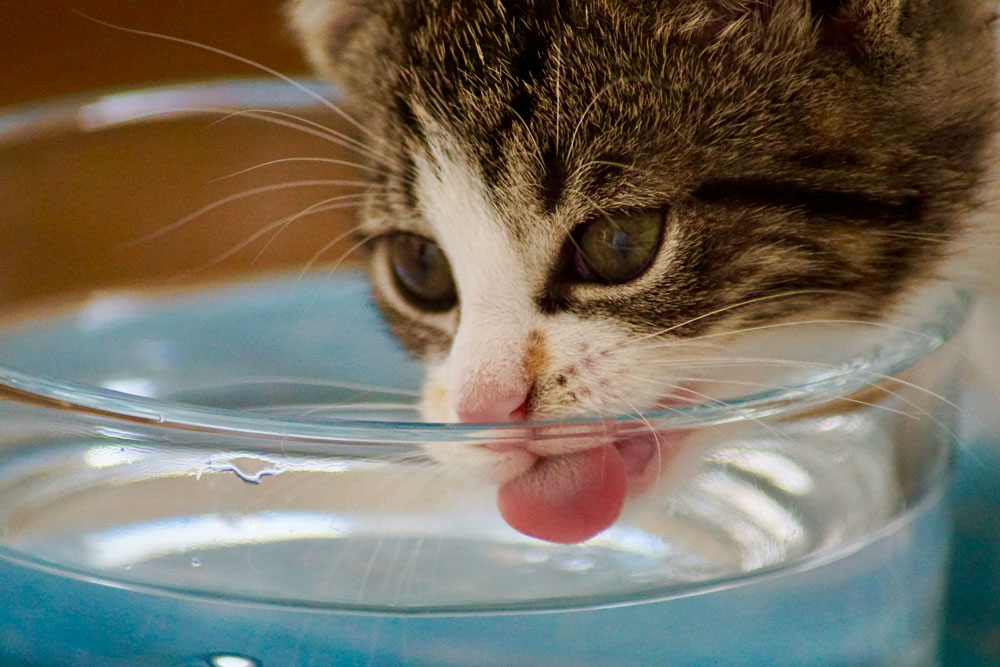
What can cause increased thirst
Thirst alone doesn’t identify the cause. Your pet’s age, other symptoms, medication and examination findings all help a vet decide what to investigate. Possible causes include:
- Kidney disease. When the kidneys can’t concentrate urine effectively, more water is lost and your pet may drink more to compensate. You may notice this before they seem unwell.
- Diabetes. Excess glucose in the urine draws water out of the body, increasing urination and thirst. Weight loss despite a normal or increased appetite can be another sign.
- An overactive thyroid in cats. This is more common in older cats and can cause weight loss, increased appetite, restlessness and sometimes increased thirst.
- Cushing’s syndrome in dogs. Excess cortisol, a hormone produced by the adrenal glands, can cause increased thirst and urination, often alongside increased appetite, panting or coat changes.
- Some medicines, including corticosteroids and diuretics, can increase thirst. Tell the prescribing vet if you notice a change, but don’t stop or alter treatment yourself.
Other conditions, including liver disease and certain infections, can also affect thirst. This is why a check-up is more useful than trying to match one symptom to a diagnosis at home.
When to contact a vet
If your pet seems comfortable and otherwise well, contact your usual practice to arrange an appointment for an unexplained or persistent increase in drinking. You don’t need to wait until you’ve measured an exact amount.
Ask for advice the same day if the increase is sudden or marked, or your pet is also vomiting, eating less, unusually quiet or clearly unwell. Mention any weight loss, appetite changes or changes in urination when you call so the practice can judge how urgently they need to be seen.
Contact an emergency vet immediately if your pet is struggling to pass urine, collapses, has difficulty breathing, is severely weak or can’t keep water down. Suspected poisoning also needs immediate advice, even if your pet initially seems well.
If your female dog hasn’t been spayed, new increased thirst needs prompt attention, particularly in the weeks after a season. A womb infection called pyometra can be life-threatening. Contact a vet the same day and mention when her last season was. If she’s unwell, seek urgent care. There may be vaginal discharge, but its absence doesn’t rule out an infection.
What you can do before the appointment
Keep fresh water freely available, including overnight. Restricting it can cause dehydration and dangerous changes in the body’s salt balance. If your dog needs to wee more, offer extra toilet breaks; make sure your cat can easily reach a clean litter tray.
A few notes can help your vet:
- When you first noticed the change and whether it’s getting more pronounced.
- Any changes to food, exercise, appetite, weight, energy or toileting.
- All medicines and supplements your pet takes, including recent changes.
If it’s practical, measure how much water you put down and top up over 24 hours, then subtract what’s left. Account for spillage and mention any other water sources. Shared bowls and fountains make individual intake harder to estimate, so explain this to your vet rather than treating the figure as exact. Don’t restrict access or delay an appointment to collect measurements.
What happens at the vet appointment
Your vet will ask about the changes you’ve noticed and examine your pet. Blood and urine tests are often useful: together, they can help assess kidney function, blood glucose and how well the urine is being concentrated. Further tests depend on the findings.
Ask the practice whether they’d like a urine sample and how to collect and store it. For some tests, the vet will need to collect the sample themselves.
Advice through PawSquad
If you have access to PawSquad and you’re unsure what a change in your pet’s drinking means, you can chat to a vet 24/7. We can help you assess the symptoms you’ve noticed, understand how urgently your pet needs to be seen and prepare for an appointment.
Finding the cause of increased thirst often needs a physical examination and tests at your veterinary practice. If your pet has any of the emergency signs above, contact an emergency vet directly.