

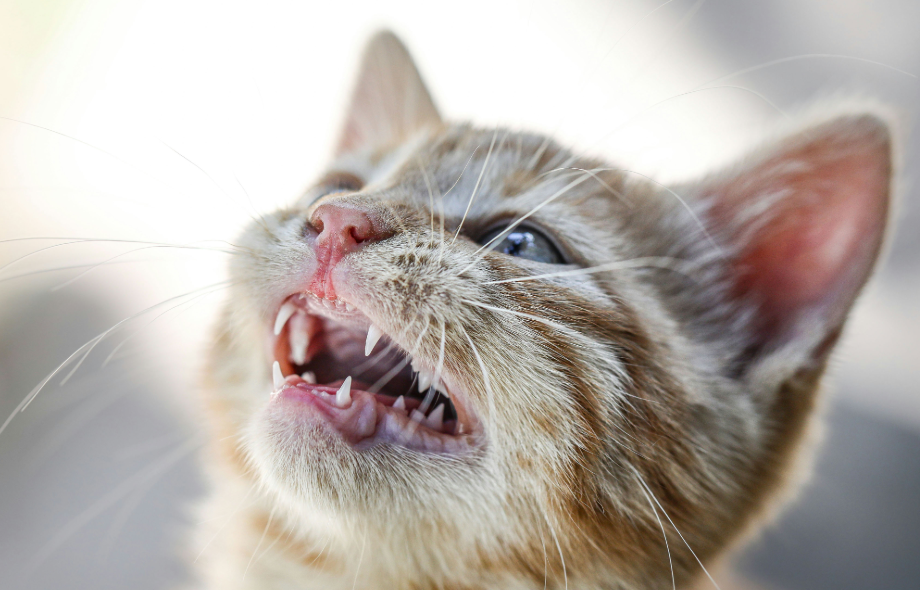
Cats can be remarkably good at carrying on as normal when something hurts, and dental pain is no exception.
Your cat may still eat, play and go about their usual routine even when they have sore gums or a painful tooth. Sometimes the first clue is bad breath. Other times, the signs are so subtle that you may simply notice they’re eating a little differently, grooming less or becoming more reluctant to have their face touched.
Dental disease is common in cats and becomes more likely as they get older, but it shouldn’t be accepted as a normal part of ageing. Problems with the teeth and gums can be painful and getting them checked and treated can make a real difference to how your cat feels.
What causes dental disease in cats?
After your cat eats, bacteria combine with food particles and saliva to form a soft, sticky layer called plaque on the teeth.
If plaque isn’t removed, it can harden into tartar. Over time, bacteria around the gum line can cause inflammation, known as gingivitis. If this progresses, the tissues supporting the teeth can become damaged, leading to periodontal disease.
Cats can also develop other painful problems inside the mouth that aren’t caused simply by poor dental hygiene.
One of the most important is tooth resorption. This happens when the structure of a tooth begins to break down. It can affect part of the tooth that you can’t easily see and can be extremely painful, even if the visible tooth doesn’t initially look particularly unusual.
Some cats also develop more widespread inflammation inside the mouth, which can make eating, grooming and even opening the mouth uncomfortable.
What are the signs of dental problems in cats?
Bad breath is one of the more obvious signs, particularly if it has become noticeably stronger. A healthy cat’s breath won’t necessarily smell minty fresh, but a persistent unpleasant smell can indicate disease in the mouth.
You might also notice red or swollen gums, visible tartar, bleeding around the gums or a tooth that looks damaged or discoloured.
Changes in the way your cat eats can be especially useful clues. They may:
- approach their food enthusiastically but then seem reluctant to eat
- chew on one side of their mouth or drop pieces of food
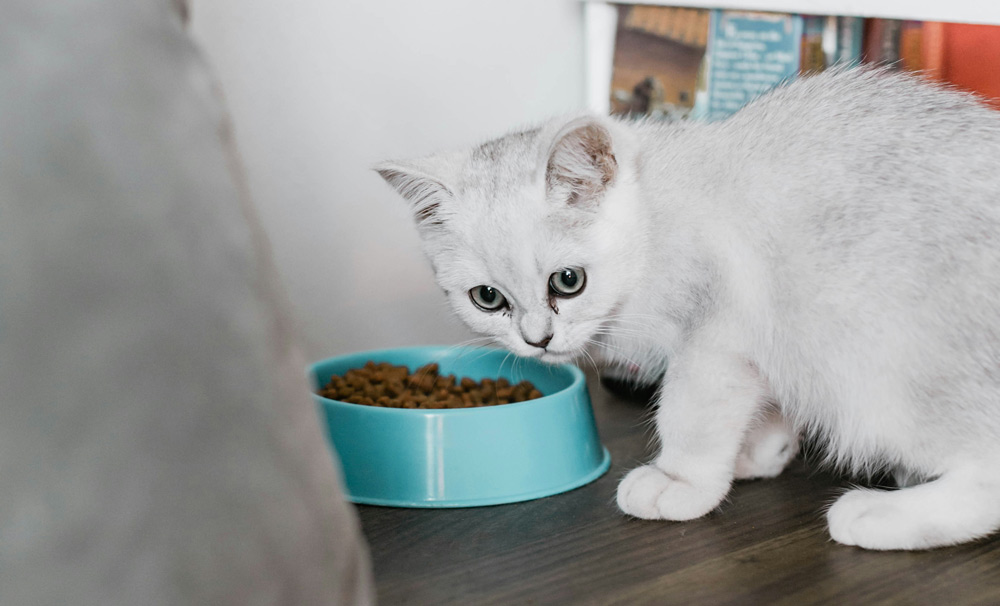
- take longer over meals or suddenly prefer softer food
- seem hungry but walk away after trying to eat
- paw at their mouth or shake their head
Not every cat with dental pain will show these signs. Some continue eating apparently normally despite significant dental disease.
Changes elsewhere in their behaviour can matter too. Your cat may groom less and their coat become dull and matted because using their mouth is uncomfortable. They might become quieter or more withdrawn or seem reluctant to have their head or face touched.
If something about your cat’s normal behaviour has changed, it’s worth paying attention to it.
What is tooth resorption in cats?
Tooth resorption is a condition where the hard structure of a tooth gradually breaks down.
It may begin below the gum line, so you won’t necessarily be able to spot it by looking in your cat’s mouth. As it progresses, parts of the tooth can become damaged or disappear.
These lesions can expose sensitive areas of the tooth and cause considerable pain.
You might notice your cat suddenly reacting when they bite a piece of food, dropping food from their mouth or appearing uncomfortable when eating. In other cats, there may be very few obvious signs at home.
A veterinary dental examination, often supported by dental X-rays, may be needed to identify the full extent of the problem.
Can I check my cat’s teeth at home?
If your cat is relaxed and comfortable with having their face handled, it’s useful to become familiar with what their mouth normally looks like. If your cat is fractious or doesn’t want to have their mouth messed with, please do NOT persist with this, your cat may try to bite or scratch.
You don’t need to prise their mouth open.
Gently lifting the lip can let you see some of the teeth and the gum line. Look for increasing tartar, redness, swelling, bleeding or anything that appears different from your previous checks.
Knowing what’s normal for your cat makes change easier to spot.
If your cat dislikes having their mouth examined, don’t force them. Struggling or restraining them is stressful and may be painful if there’s already a problem.
How can I help keep my cat’s teeth healthy?
Regular tooth brushing is the most effective way to remove plaque before it hardens into tartar.
Ideally, dental care starts when your cat is young, but older cats can sometimes learn to tolerate brushing too. The key is introducing it gradually.
Start by getting your cat comfortable with having their face and lips touched. Once they’re relaxed with that, you can slowly introduce a pet-safe toothpaste and eventually a soft toothbrush or finger brush.
Never use human toothpaste. Some ingredients aren’t suitable for cats, and human toothpaste is designed to be spat out rather than swallowed.
Don’t worry if you can’t go from zero to a full set of brushed teeth straight away. Building a calm, positive routine is much more useful than turning dental care into something your cat tries to escape from.
Specially designed dental diets, treats and other oral-care products may also help in some cats, but they aren’t all equally effective and they don’t necessarily replace brushing.
If you’re not sure what’s appropriate for your cat, you can ask a vet on PawSquad about their dental routine and the products you’re considering.
What if my cat already has tartar?
Once plaque has hardened into tartar, it can’t simply be brushed away at home.
If there’s a significant build-up, inflamed gums or another dental problem, your cat may need a dental examination and treatment at a veterinary practice.
This usually involves examining the teeth thoroughly under anaesthetic, cleaning above and below the gum line and treating or removing teeth that are painful or badly damaged.
Dental X-rays may also be recommended because a large part of each tooth sits below the gum, where problems can’t be seen during a normal examination.
When should my cat see a vet?
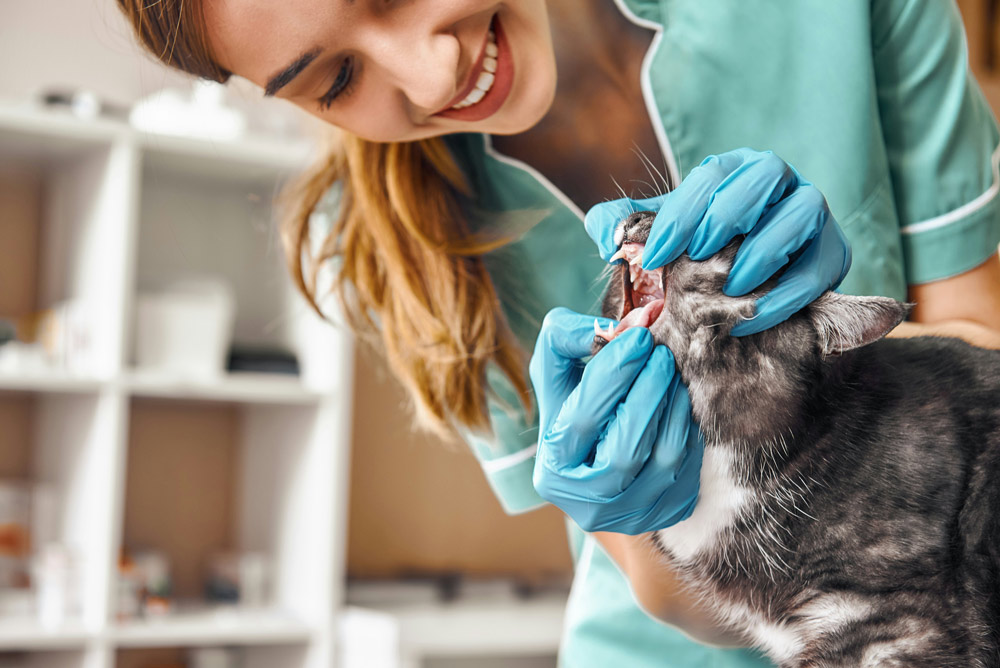
Arrange a veterinary examination if you notice persistent bad breath, red or bleeding gums, damaged or loose teeth, difficulty eating, a change in the way your cat chews, facial swelling or signs that their mouth is painful. We also recommend annual vet health checks to help spot any issues.
A cat that suddenly stops eating needs particular attention. Cats shouldn’t go for prolonged periods without food, and a loss of appetite can have many causes beyond dental disease.
If your cat seems otherwise well but you’ve noticed a subtle change and you’re unsure what it means, you can speak to a vet through PawSquad. Photos or video may help you explain what you’ve noticed, and a vet can help you decide whether your cat needs an examination at your veterinary practice.
Poor dental health can potentially lead to consequences in other body systems, with bad dental infections possibly affecting the heart. As an example, there is a correlation between cats’ dental issues and limping – some diseases trigger an immune response that attacks the joints too, alongside the gums.
Don’t wait for your cat to tell you their teeth hurt
Untreated dental disease is a significant welfare issue for cats.
Dental disease can be difficult to spot precisely because cats are so good at adapting.
Getting familiar with your cat’s normal eating habits, behaviour and mouth can make small changes much easier to recognise.
An occasional look at their teeth, good dental care at home and regular veterinary dental checks can all help keep their mouth comfortable.
And if something doesn’t look or feel quite right, you don’t have to work it out on your own. Vets are available through PawSquad 24 hours a day, 365 days a year to help you decide what to do next.