
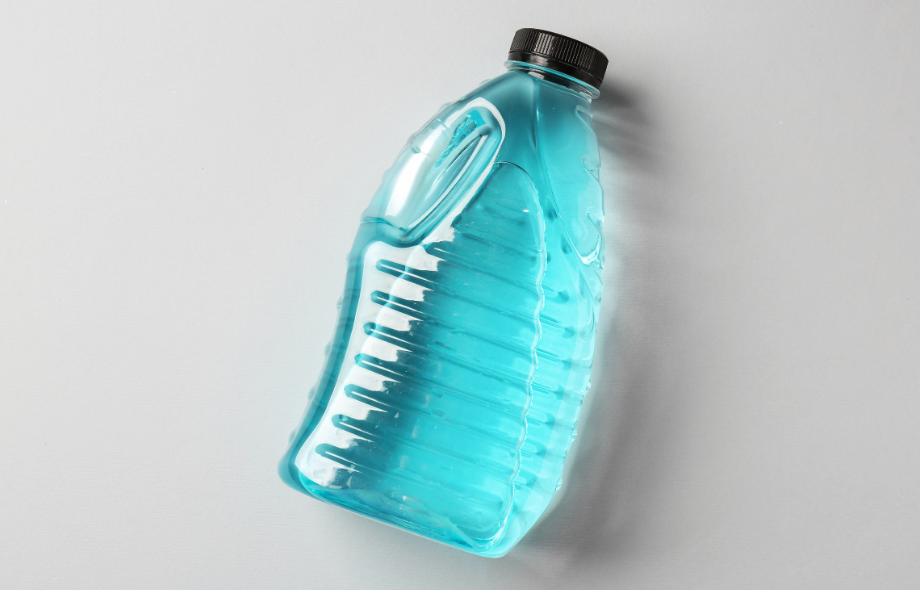
As the cold weather sets in, many of us start using antifreeze, screen wash, and de-icer spray to keep our cars running smoothly. However, these winter essentials can be deadly to our pets. When you’re topping up coolant or clearing frosted windscreens, it’s vital to prevent any exposure of ethylene glycol products to pets. Read through this blog to understand the dangers of antifreeze and how you can keep your pet safe.
Why Antifreeze Is So Dangerous
Ethylene glycol is the main active ingredient in most antifreeze products. It has a sweet taste that makes it appealing for dogs and cats to lick or drink. Tragically, it’s highly toxic – even a tiny amount can cause severe poisoning, leading to irreversible kidney failure and death.
It’s crucial to keep antifreeze and similar products securely stored away from pets – and ensure pets are kept well away from any spills or leaks.
Did you know? Ethylene glycol is also found in some snow globes. If one breaks, the liquid inside can be extremely hazardous to animals.
Symptoms and Treatment
By the time we see any clinical signs of ethylene glycol poisoning, it’s often too late for treatment to be effective. Early signs can be vague initially, but may include:
- Loss of appetite
- Lethargy
- Vomiting
- Drooling
Even with intensive veterinary treatment, which may include IV fluids, medications to protect the kidneys, and specific antidotes to block the toxin’s effects – survival rates are sadly low once symptoms appear.
Please don’t wait until you see signs of illness – if you suspect your pet has drunk antifreeze, seek emergency veterinary care immediately.
Prevention Is Key
The best way to protct your pet is through prevention. Follow these simple tips to keep your pets safe this winter by preventing antifreeze poisoning:
- Store antifreeze, screen wash, and de-icer securely and out of reach of pets.
- Clean up any spills immediately, diluting the area thoroughly with water.
- Check your car for leaks – even small drips from coolant systems can be dangerous.
- Dispose of empty containers safely and securely.
- Avoid letting pets roam near garages or driveways where antifreeze might be used.
- Be cautious with decorative snow globes that could fall or break.
Keeping pets safe through the winter months means staying alert to hidden hazards — and antifreeze is one of the most dangerous. Antifreeze poisoning is also one of the most preventable winter hazards for pets. By storing products safely, checking for leaks, and acting fast if you suspect exposure, you can help ensure your pets stay healthy and happy all season long.
Last updated Nov 2025.

Vet author: Dr Sinéad Kelly
MVB CertVR MRCVS
Written by a veterinary surgeon in collaboration with PawSquad.
Speak to an Online Vet Today
Do you have questions about what might be toxic to a pet in your home? Do you want to speak to a trusted vet to answer your worries? Book an online appointment with a vet today by clicking below.
Please note: if you suspect your pet has ingested anything toxic, go straight to your local vet – do not book an appointment here.