


A safe and comfortable home is essential for pets’ wellbeing. While pets are increasingly considered part of the family, they have specific needs that differ from humans. Understanding these needs helps owners provide a home environment that supports both physical health and mental wellbeing.
Sleep and Rest
Adequate sleep is vital for pets, particularly puppies, who may require up to 20 hours a day. Adult dogs typically need 6–8 hours of uninterrupted overnight sleep, plus one or two daytime naps.
Owners should consider whether their pets have access to quiet spaces to retreat to when they need downtime, especially in households where pets are included in all family activities. Insufficient rest can contribute to behavioural problems, including separation anxiety.

Nutrition
Pets have distinct nutritional requirements. Modern options range from commercial dry or canned foods to home-cooked, raw, and freeze-dried diets. While variety allows for personalised feeding, improper diet planning can result in obesity or nutritional imbalance.
Sharing human food or table scraps can cause overeating, begging, or resource-guarding behaviours. Balanced nutrition, portion control, and veterinary guidance are key to maintaining pets’ health.

Home Layout and Accessibility
Homes are designed for humans, not pets, and certain features can create barriers, particularly for elderly or arthritic animals.
Considerations include:
- Smooth flooring that may be slippery for dogs with arthritis, (as well as young puppies with developing joints!
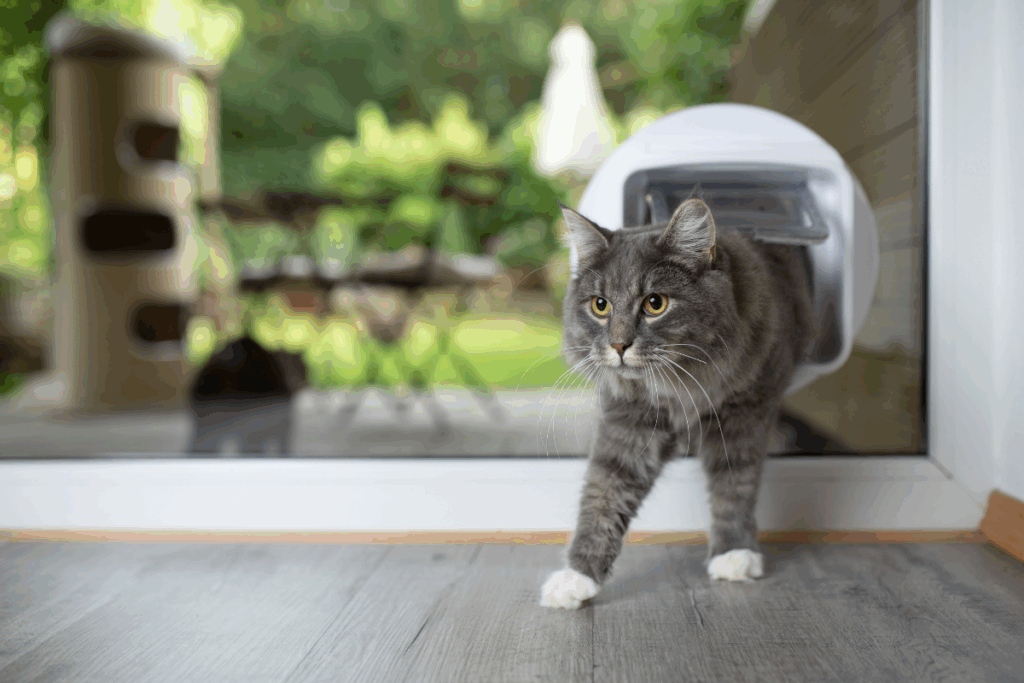
- High steps or cat flaps that may be difficult for older pets to navigate
- Access to litter trays without confrontation from other pets
Adapting living spaces to meet pets’ needs improves mobility, reduces stress, and supports long-term health. Talk to a vet about how.
Legal and Welfare Responsibilities
Owners are legally obligated to meet the Five Welfare Needs of their pets under the Animal Welfare Act 2006. These include providing:
- A suitable environment
- A suitable diet
- The ability to exhibit normal behaviour
- Housing with companionship or isolation as appropriate
- Protection from pain, suffering, injury, and disease
Resources for guidance include: