

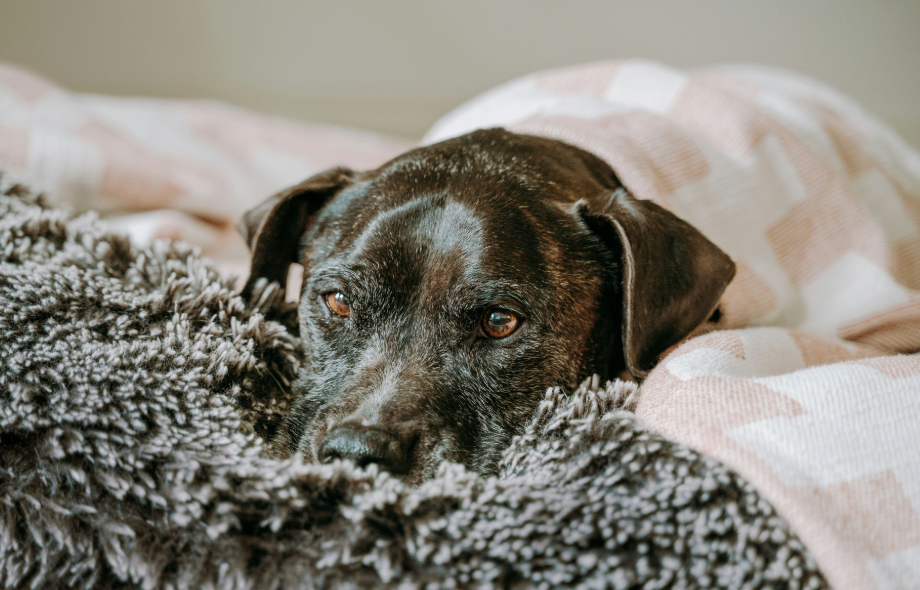
Could your pet be in pain without limping or crying?
Short answer – yes. Dogs and cats can show pain through changes in their usual behaviour, such as hiding, grooming less, hesitating before jumping, eating differently or becoming sensitive to touch. These signs can also have other causes, so arrange a veterinary assessment if you notice a change. Don’t wait for limping or crying before seeking advice.
Your dog has stopped greeting you at the door. Your cat now sleeps on the sofa instead of the windowsill. Neither is limping or crying, but something has changed.
Pain in dogs and cats isn’t always obvious. It can affect how they move, eat, sleep and interact with you, sometimes long before you notice a clear sign of discomfort. A pet who’s quiet, still eating or happy to accept a fuss may nevertheless be in pain.
At PawSquad, we encourage you to take changes in your pet’s usual behaviour seriously. They don’t always mean pain, but they’re worth investigating rather than putting down to age or temperament.
Why pain can be easy to miss
Some pain starts suddenly, following an injury or illness. Other pain develops gradually, allowing your pet to adapt their routine. A cat with sore joints may stop jumping onto a favourite shelf. A dog may begin choosing shorter walks. When the change happens slowly, it can become the new normal before you realise there’s a problem.
Pain isn’t limited to muscles and joints. Dental disease, ear problems, eye conditions and inflammation in the abdomen or urinary tract can also cause discomfort without a limp.
You don’t need to work out where the pain is coming from before asking for help. Describing what’s different is a useful starting point.
Changes in movement and everyday habits
A pet doesn’t have to stop walking to find movement uncomfortable. Watch for hesitation, avoidance or a different way of doing familiar things.
Your dog might pause before getting into the car, take longer to stand after resting or become reluctant to cross a slippery floor. Your cat might use furniture as stepping stones rather than making one jump, stop using a high perch or spend less time playing.
These changes can be easy to label as stubbornness or slowing down. Painful conditions become more common with age, but discomfort shouldn’t be accepted as an inevitable part of getting older. Younger pets can have painful problems too.
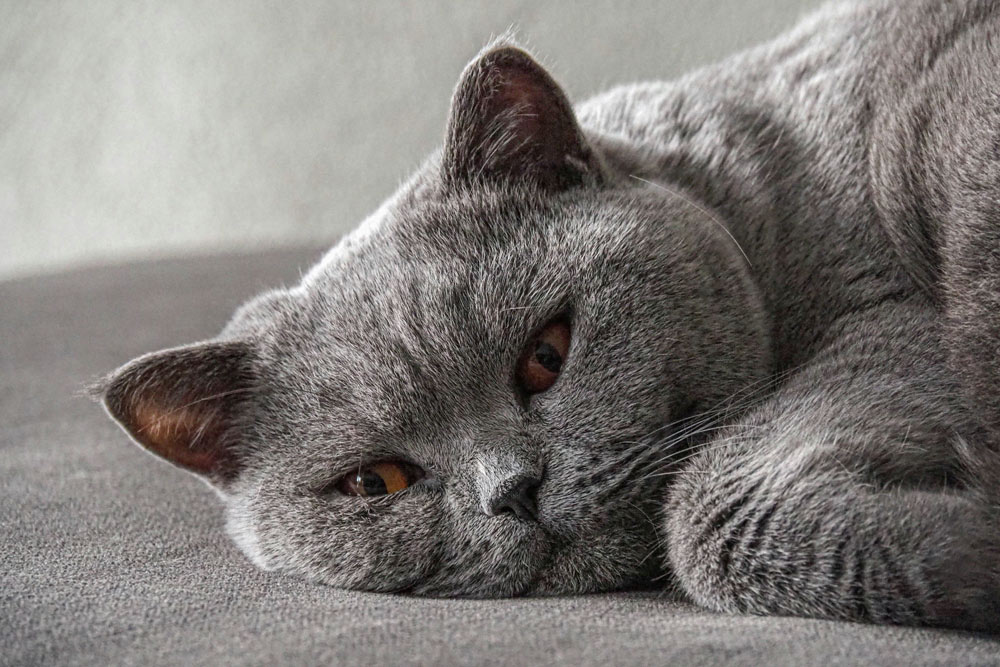
Wanting less contact or reacting differently to touch
A normally sociable pet may hide, move away when you sit beside them or stop following you around the house. Others may seek more reassurance than usual.
You might notice your pet flinch when stroked, turn towards your hand or object to being brushed, lifted or fitted with a harness. Growling, hissing or snapping can be a warning that contact is uncomfortable.
Don’t punish these reactions or repeat the touch to see whether it happens again. Give your pet space, keep children from disturbing them and arrange veterinary advice. Pain is one possible explanation for a behaviour change, alongside fear, stress and other health problems.
Sleeping differently or struggling to settle
Pain can make it difficult to find a comfortable position. A dog may repeatedly get up, pace or change beds. A cat may rest in a tense, hunched posture rather than their usual relaxed position.
Some pets become less active and appear to sleep more; others wake during the night. Panting in a dog who isn’t hot or exercising can also indicate discomfort, although there are other possible causes.
Breathing that looks difficult or requires extra effort needs immediate veterinary attention. Don’t assume it’s simply a response to pain.
Eating differently even if the bowl gets emptied
Changes in the way your pet eats can matter as much as the amount they eat. Dropping food, chewing cautiously, favouring softer food or approaching a meal and then backing away can suggest mouth pain.
Dental problems aren’t always visible when you look at your pet, and continuing to eat doesn’t rule them out. Drooling, bad breath or pawing at the mouth are further reasons to book an examination.
A reduced appetite can also accompany pain elsewhere in the body or another illness. Contact your vet the same day if your pet stops eating, particularly if they’re a cat or seem unwell.
Grooming more or less than usual
A cat who stops grooming may develop a greasy, uneven or matted coat. Sore joints can make it difficult to turn and reach the back or hindquarters.
Repeated licking of one area can also accompany discomfort in cats and dogs. However, licking isn’t proof of pain: itch, skin disease and stress can cause similar behaviour. Note where it happens and whether the skin looks sore, then discuss it with a vet.
Changes in toileting
A cat who starts toileting outside the litter tray may find the tray difficult to climb into or the posture uncomfortable. Dogs may also find squatting or lifting a leg harder than usual.
Don’t assume accidents are behavioural or simply due to age. Urinary and digestive problems can cause similar changes and may need prompt treatment.
Repeated straining to pass urine, with little or nothing coming out, needs immediate veterinary attention, especially in male cats. A blocked bladder is life-threatening and can be mistaken for constipation. Don’t wait to see whether it improves.
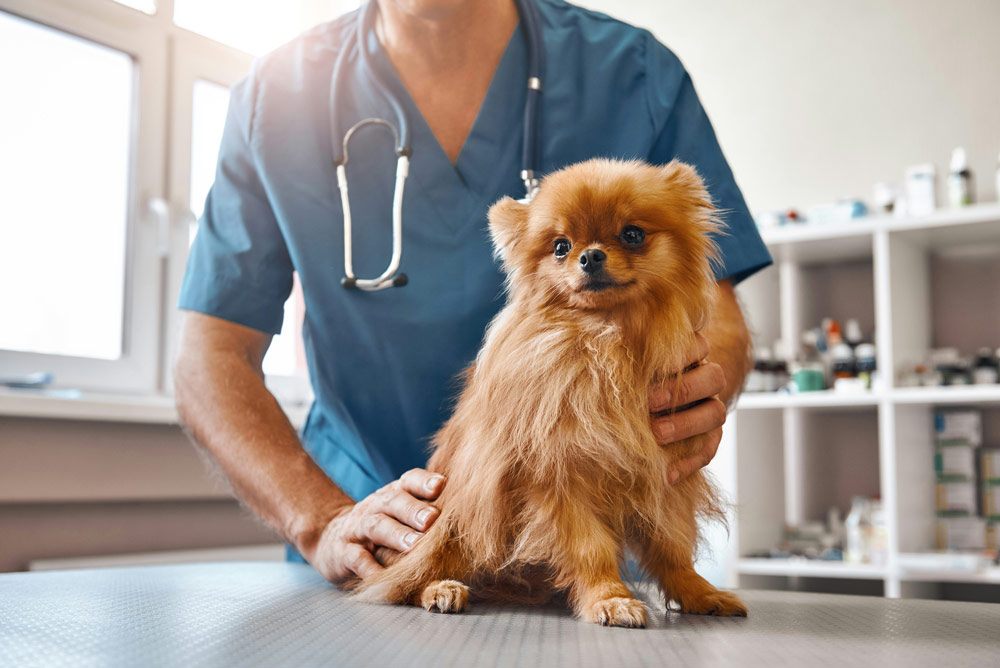
When to contact a vet
Arrange an appointment promptly if you notice a new or recurring change in movement, grooming, sleep, eating or behaviour. You don’t need to wait for several signs to appear, or for your pet to cry out.
Ask for same-day advice if your pet seems persistently uncomfortable, becomes suddenly withdrawn, won’t eat or develops a painful-looking eye, such as squinting or holding it closed.
Contact your veterinary practice or an emergency vet immediately if your pet:
- Has difficulty breathing, collapses or suddenly can’t stand or walk.
- Repeatedly strains to urinate but passes little or no urine.
- Has a swollen abdomen or repeatedly tries to vomit without bringing anything up.
- Shows severe or rapidly worsening pain, or has suffered a serious injury.
For these signs, don’t wait for an online consultation.
How to help while you arrange advice
Keep your pet somewhere quiet and comfortable, with water and a resting place within easy reach. Avoid unnecessary stairs, jumping or strenuous exercise, and don’t force movement to test whether it hurts.
If it’s safe and doesn’t delay care, record a short video of the change. Footage of your pet getting up or moving naturally at home can help a vet assess something that may not happen during an appointment. Note when it started and any changes in appetite, toileting or medication.
Never give human painkillers unless a vet has specifically instructed you to do so. Medicines such as ibuprofen can cause serious harm, and paracetamol is particularly dangerous for cats. Don’t use another pet’s medication or restart leftover treatment without checking with your vet.
How PawSquad can help
If you have access to PawSquad and you’re unsure whether a change could indicate pain, you can speak to a vet through the app 24/7. Sharing your observations, photos or videos can help them advise you on the next step and how urgently your pet needs to be seen.
An online consultation can’t replace a physical examination when one is needed, and vets available through PawSquad can’t prescribe medication remotely. Your usual practice can examine your pet, investigate the cause and arrange appropriate pain relief or treatment.
You know your pet’s everyday habits. If something has changed, you don’t need to wait for a limp or a cry before asking for help.