
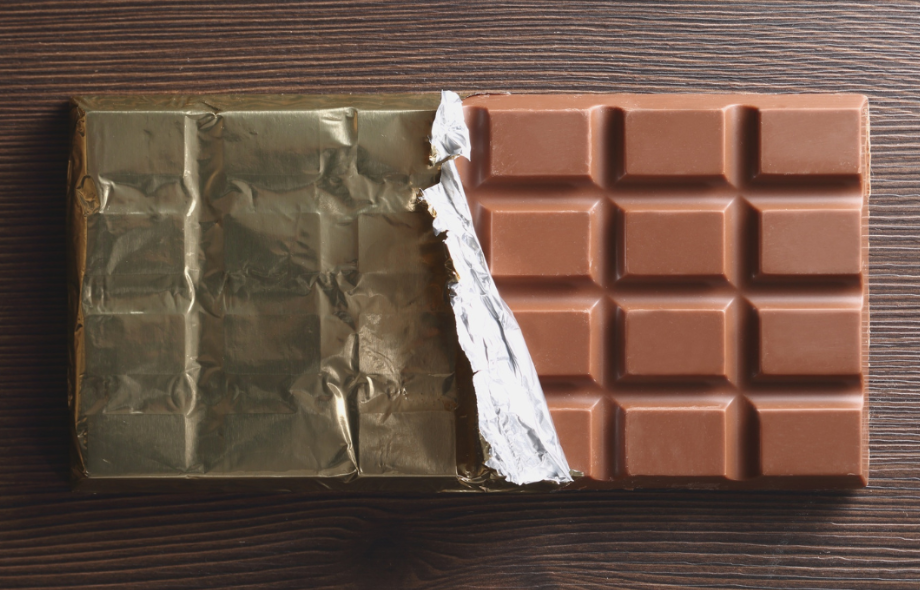
Most pet owners know chocolate isn’t safe for dogs and cats — but many don’t realise exactly why, or how much can be harmful. Chocolate ingestion can cause unpleasant symptoms, and in some cases, more serious issues if not treated promptly.
While eating chocolate can make pets unwell, most cases are treatable with prompt care — and understanding the risks means you can act quickly and confidently if it ever happens.
Let’s take a closer look at why chocolate affects pets differently, the signs to watch for, and how vets typically manage it.
Why Is Chocolate Toxic to Pets?
Chocolate contains two harmful substances: Theobromine and Caffeine.
These are natural stimulants found in cocoa beans. While humans can process them quickly, dogs and cats metabolise them much more slowly, allowing toxic levels to build up in the body.
The darker and more bitter the chocolate, the higher the concentration of theobromine — and the more dangerous it becomes.
- Dark chocolate and cocoa powder are the most toxic.
- Milk chocolate contains less theobromine but can still make pets ill.
- White chocolate has very little theobromine but may still cause stomach upset due to fat and sugar.
How Much Chocolate Is Dangerous?
The level of toxicity depends on the type of chocolate and your pet’s weight, as well as individual sensitivity. There’s no safe amount — always contact a vet immediately to confirm whether the amount ingested could be harmful.
Signs of Chocolate Poisoning
Symptoms can appear from 30 minutes to several hours after ingestion.
Mild to moderate symptoms:
- Vomiting
- Diarrhoea
- Restlessness or hyperactivity
- Increased thirst
- Panting or rapid breathing
- Increased heart rate
Severe symptoms:
- Muscle tremors or twitching
- Wobbliness or difficulty walking
- Seizures
- Collapse
- Coma (in extreme cases)
If your pet shows any of these signs after eating chocolate — even mild ones — seek veterinary help immediately.
What to Do If Your Pet Eats Chocolate
Seek advice from a vet straight away. Don’t wait for symptoms to appear.
Be ready to share:
- The type of chocolate (e.g. milk, dark, baking)
- How much was eaten
- When it was eaten
- Your pet’s weight and breed
How Is Chocolate Poisoning Treated?
Treatment depends on the amount ingested, how recently it happened, and whether your pet is showing symptoms.
Common treatments include:
- Inducing vomiting (if ingestion was recent) to prevent further absorption.
- Activated charcoal to bind toxins in the digestive tract.
- IV fluids to support hydration and help flush toxins from the body.
- Medications to control symptoms such as tremors, high heart rate, or seizures.
- Monitoring — pets may need to stay at the clinic for several hours or overnight for heart rate, temperature, and neurological checks.
The sooner treatment starts, the better the outcome.
If treated early, most pets make a full recovery from chocolate toxicity. Without treatment, poisoning can be fatal — which is why quick action is crucial.
How to Prevent Chocolate Toxicity
Prevention tips:
- Keep all chocolate safely stored in cupboards or on high shelves.
- Be extra cautious during holidays like Christmas, Easter, and Valentine’s Day.
- Remind guests and children never to feed pets chocolate or chocolate-flavoured snacks.
- Watch for chocolate in baked goods such as brownies, cakes, or biscuits.
- Don’t assume cats won’t eat chocolate — some curious cats may still try it.
Final Thoughts
Recognising the signs early and seeking veterinary help immediately can save your pet’s life. Accidents happen — even to the most careful owners — but knowing what to do makes all the difference.
If you ever suspect your pet has eaten chocolate, contact a vet straight away for advice and support.
Last updated Nov 2025.

Vet author: Dr Raquel Amils Arnal
Lda Vet PgCertVBM CertAVP TP Ortho MRCVS
Written by a veterinary surgeon in collaboration with PawSquad. Raquel graduated from the University of Barcelona in 2000, and has worked in Spain, Germany and the UK. She has a specific passion for surgery and emergency medicine, currently focusing on telemedicine and OOH service. She spends her free time self-renovating her 1800s home and enjoys the farm life with her husband and their several pets (dogs, cat, goats, horses and chickens).