
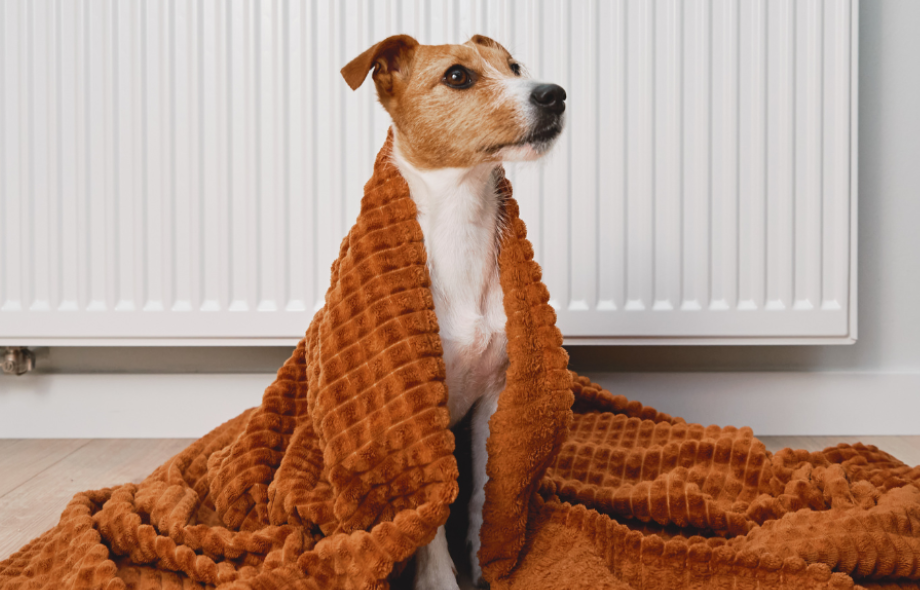
As the seasons shift and the days grow shorter, our pets also feel the impact of cooler weather. Whether it’s changes in energy levels, appetite, or comfort, autumn and winter can bring new challenges for cats and dogs. Adjusting their diet and daily routines can help them stay healthy, comfortable, and happy throughout the colder months.
Why cooler weather affects pets differently
Just like people, pets react to seasonal changes. Dogs may burn more energy keeping warm on brisk walks, while some cats become less active and spend more time indoors. Older pets often find cold mornings harder on their joints, and all pets may need extra support with nutrition, exercise, or environment. Recognising these shifts is the first step in helping your pet adapt.
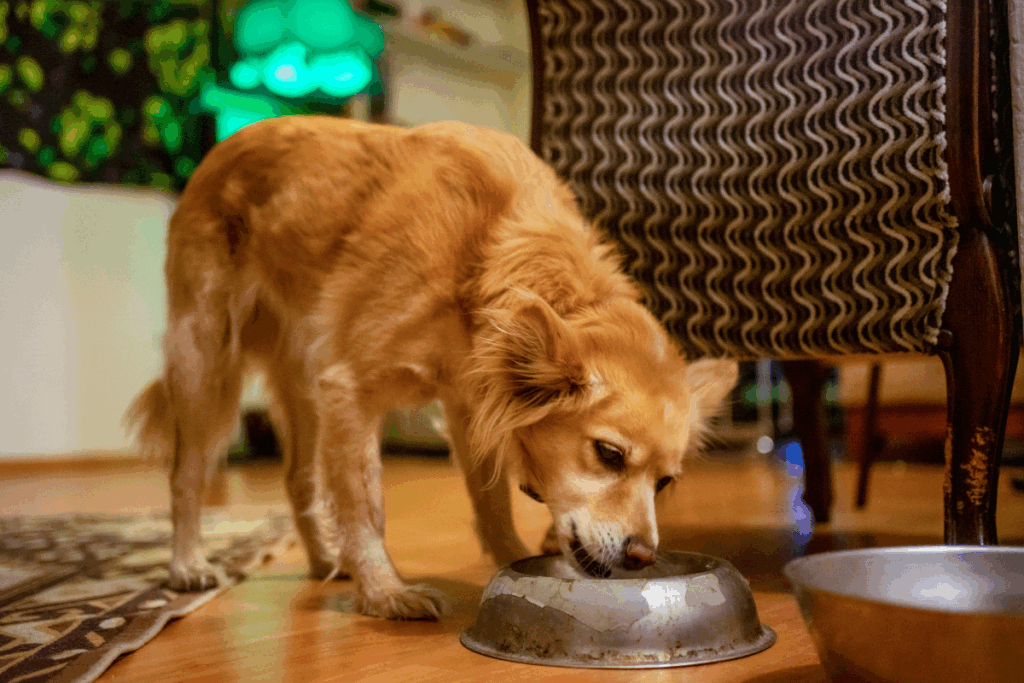
Adjusting your pet’s diet for autumn and winter
Calorie needs can vary as the weather cools. Pets that remain very active may need slightly more food to fuel their energy, while those who become less active may require fewer calories to avoid weight gain.
Tips for seasonal feeding:
- Monitor body condition: Regularly check your pet’s weight and body shape.
- Balance energy intake: Increase or decrease portions gradually, based on activity levels.
- Hydration matters: Cold weather can reduce water intake, so encourage drinking with fresh bowls or pet fountains.
- Safe seasonal foods: Plain pumpkin or cooked vegetables (without seasoning) can make healthy treats.
If you are unsure about adjusting your pet’s diet, PawSquad’s Nutrition Consults can provide tailored advice for your pet’s lifestyle and health needs.
Exercise and routine in cooler weather
Colder days often mean shorter walks or less outdoor play, but pets still need daily exercise and stimulation. Without it, dogs can become restless and gain weight, while cats may become bored or stressed indoors.
Practical adjustments:
- Swap longer walks for more frequent, shorter outings in poor weather.
- Provide indoor enrichment, such as puzzle feeders, treat balls, or training sessions.
- Keep cats active indoors with climbing trees, interactive toys, or hide-and-seek games.
If your pet struggles with behavioural changes linked to reduced exercise, a Behaviour & Training Consult can help you adapt routines positively.
Caring for older pets in the cold
Cold weather often highlights joint stiffness in senior pets. Dogs may take longer to get moving, and cats may avoid climbing or jumping. Supporting mobility through the colder months makes a big difference.
Ways to help:
- Provide cosy, draught-free sleeping areas with extra bedding.
- Use non-slip rugs on hard floors.
- Keep walks gentle but regular to maintain flexibility.
- Explore Mobility Care support for tailored advice on managing arthritis or age-related changes.
Grooming and skin health in cooler weather
The autumn and winter months can affect coats and skin. Some dogs grow a thicker coat, while indoor heating may dry out skin and cause dandruff. Regular grooming helps remove dead hair, stimulates circulation, and keeps coats healthy.
Simple grooming tips:
- Brush regularly, even for short-haired pets.
- Check paws for cracks or irritation from cold, wet ground.
- Dry coats and paws thoroughly after wet walks to avoid skin infections.
Supporting overall wellbeing
Beyond diet and routine, cooler months are a great time to focus on preventative care. Using our Health & Happiness Tools makes it easier to track weight, behaviour, and routine changes. You can also ensure that flea, worm, and vaccination schedules are up to date, as parasites and illness can still be an issue in colder weather.
Summary – helping pets thrive through seasonal change
Autumn and winter bring changes in routine for the whole family, and pets are no exception. Keep an eye on diet, maintain exercise and enrichment, and give older pets extra support with mobility and comfort. Regular grooming and preventative care help keep pets healthy inside and out.
By making small adjustments, you can ensure your pet stays happy and well throughout the cooler months. For personalised advice, you can speak to a vet anytime with PawSquad.