
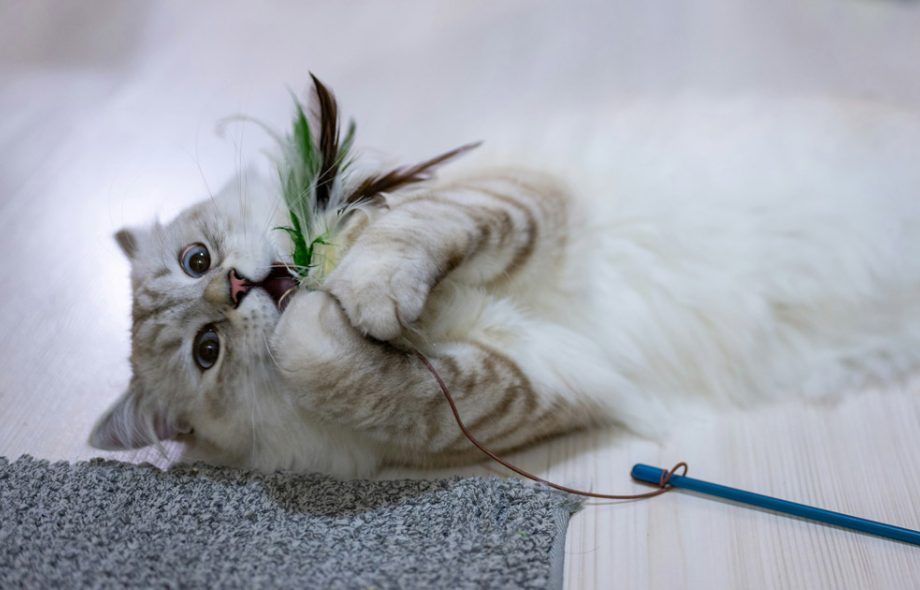
When the nights are still dark and the weather turns grim, many cats are still spending more time indoors. Less daylight, fewer outdoor adventures and a quieter household routine can all add up to boredom, frustration and the classic “winter blues” vibe. The good news is that a few simple cat play ideas and indoor cat enrichment tweaks can make a huge difference to your cat’s mood, behaviour and health. Research consistently links play and enrichment with better feline welfare and improved quality of life, including fewer behaviour problems and a stronger cat guardian bond.
Below are practical, vet behaviourist friendly ways to keep your cat physically active and mentally switched on all winter.
Why winter can be harder for cats than we think
Cats are brilliant at sleeping through most of the day, but they still need regular outlets for natural behaviours like hunting, climbing, scratching and exploring. For many cats, play is a safe way to express the predatory sequence: stalk, chase, pounce and grab. When cats do not have enough stimulation, we can see signs like nighttime zoomies, pestering, scratching furniture, ambushing ankles, overgrooming, or just seeming a bit flat.
Winter can also nudge weight upwards. Several studies have found links between lifestyle, activity levels and feline overweight risk, and regular play is one of the protective factors.
Before you start: what “good play” looks like
Think “little and often” rather than one long session.
- Aim for 2 to 5 short play sessions daily (even 3 minutes helps).
- Mimic prey. Make the toy hide, dart, pause, then escape.
- Let your cat win. End with a catch so it feels satisfying.
- Finish with a small food reward or a meal. This matches natural hunt-then-eat instincts and can help cats settle afterwards.
If your cat seems uninterested, don’t assume they are lazy. Many cats need the right toy, the right timing, and a routine that feels safe and predictable.
Cat play ideas that work brilliantly in winter
1. The “hunt and pounce” wand routine
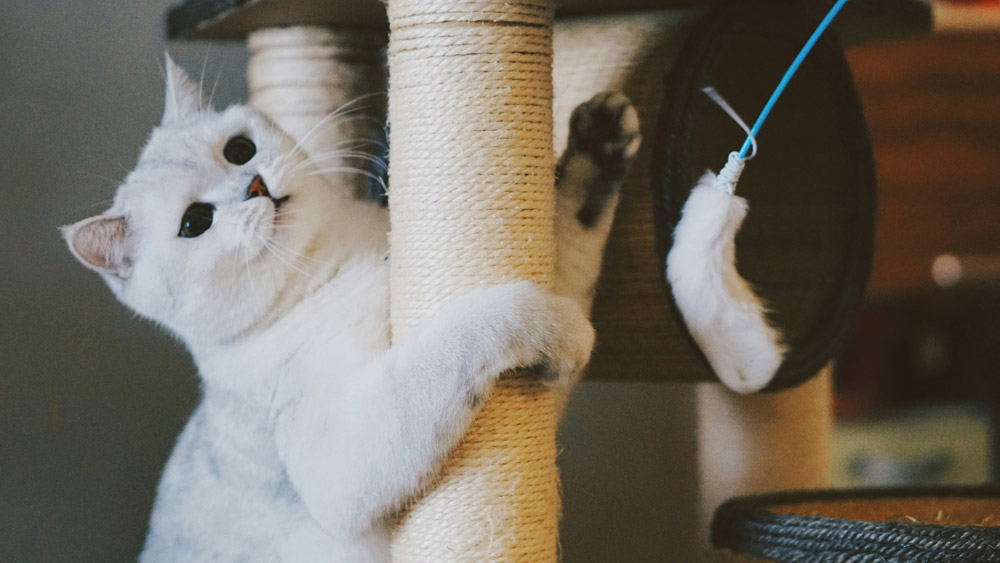
A fishing rod style toy is one of the best tools for interactive play because it keeps hands away from teeth and claws. Create a mini “hunt” around the room: behind the sofa, under a chair, up onto a cat tree. This mirrors natural hunting behaviour and is strongly recommended in enrichment guidance for indoor cats.
Try this 5-minute structure:
Minute 1: slow stalking and hiding
Minutes 2 to 4: quick bursts of chase and pounce
Minute 5: one big “catch”, then a small treat
2. Food puzzle play (brilliant for bored indoor cats)
Food puzzles turn mealtimes into enrichment and can reduce boredom, especially for cats who scoff from a bowl in 30 seconds. Start easy: scatter a portion of kibble, hide treats in a scrunched towel, or use a cardboard egg box. Then level up to proper puzzle feeders.
PDSA share several simple, safe DIY ideas that work well for most cats.
Important: factor treats into daily calories, especially if your cat is prone to weight gain.
3. “Treasure hunt” scent games
Cats live in a world of scent. Hide a few high value treats in different rooms, pop a pinch of catnip on a mat, or use silvervine for cats who are not fussed by catnip. Rotate scents occasionally to keep it interesting.
This is a great option for senior cats or cats with mobility issues, because it gives mental stimulation without demanding lots of jumping.
Learn more about Mobility Care here (for stiff, older cats who seem less keen to play).
4. Box city and paper bag adventures
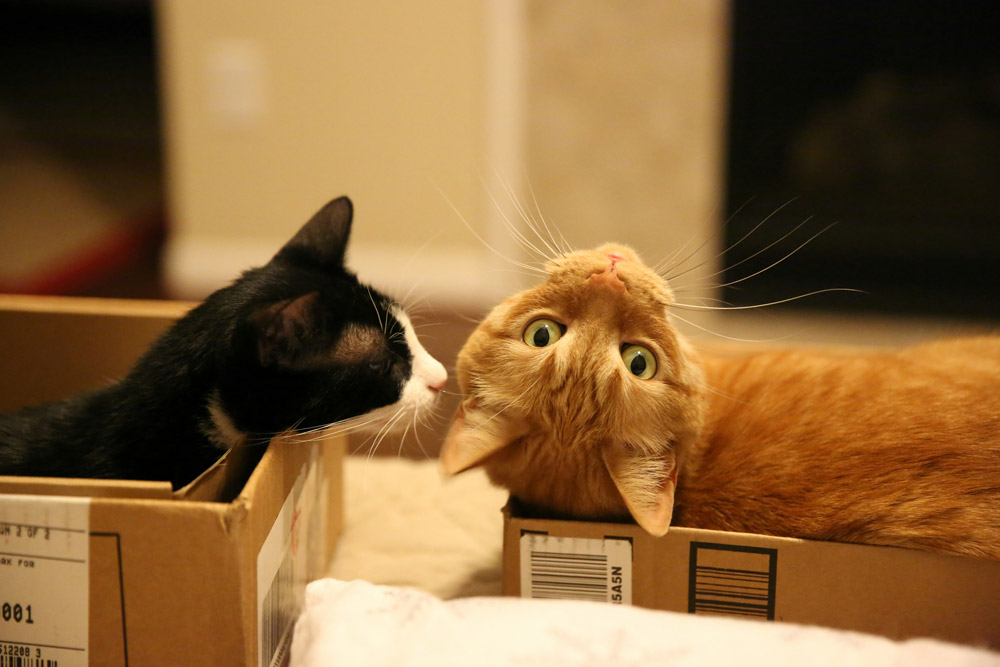
Cardboard boxes are cheap, warm, and endlessly entertaining. Cut doorways, add scrunched paper, and make tunnels. Paper bags can also be fun but always remove handles to avoid entanglement.
This kind of enrichment is routinely recommended as part of a cat friendly indoor environment.
5. Window watching with a purpose
If winter weather keeps you both indoors, a window perch can become “Cat TV”. Place a comfy bed, add a scratch post nearby, and occasionally sprinkle a few treats on the perch so your cat chooses it. Even indoor cat guidance highlights the value of climbing and safe viewing points.
If your cat becomes frustrated watching outdoor cats, block lower windows temporarily or offer a play session right after, to redirect that energy.
6. Clicker training and trick games
Training is not just for dogs. Cats can learn “touch”, “sit”, “go to mat”, “high five”, and even harness skills. This builds confidence and can be particularly helpful for shy cats who avoid play.
There is evidence in shelter settings that reward based training can influence stress related measures, and clinically we often use similar approaches to build positive routines at home.
Learn more about Behaviour and Training Consults here (especially if your cat is anxious, reactive, or you are dealing with unwanted scratching or night time disturbance).
Make play work for your cat’s personality
Not every cat loves the same thing. A quick guide:
- If your cat is a “stalker”: choose slow, sneaky toys that hide and peek
- If your cat is a “sprinter”: try short bursts, then rest
- If your cat is a “thinker”: food puzzles and training games shine
- If your cat is older or arthritic: keep play low to the ground, add traction rugs, and focus on sniffing games and gentle chase.
If your cat suddenly stops playing, especially if they were previously keen, it is worth checking for pain, dental disease, weight gain, or stress. Cat behaviour changes are often health changes in disguise.
Useful Links:
24/7 Vet Consults (for advice if your cat’s behaviour or appetite has changed).
Nutrition Consults (if weight gain is creeping in over winter).
Safety tips every winter play session should follow
- Avoid leaving string, ribbon, hair ties or yarn out unsupervised.
- Laser pointers can be fun but always finish by directing your cat onto a physical toy they can catch, then offer a treat to prevent frustration.
- Rotate toys weekly so they feel “new” again. Cats habituate quickly to the same objects.
- If you have multiple cats, provide enough space and resources so one cat cannot block access to toys, food puzzles, or favourite perches.
When to get extra help
Book a vet consult if you notice any of these alongside boredom signs:
- Reduced appetite or drinking changes
- Hiding more than usual
- Aggression that is new or escalating
- Overgrooming, skin sores, or repeated vomiting
- Limping, stiffness, or reluctance to jump
A quick conversation can help you work out whether this is normal winter behaviour, stress, or something medical that needs hands on care.
Winter does not have to mean a bored cat and a frazzled household. A few minutes of interactive play, some simple enrichment like food puzzles and box games, and a routine that lets your cat “hunt, catch, eat, rest” can genuinely lift mood and reduce nuisance behaviours. The key is consistency and choosing play styles that match your cat’s natural preferences.
If you would like personalised ideas for your cat, or you are worried boredom might actually be pain or stress, download the PawSquad app to access 24/7 Vet Consults. You can also book Behaviour and Training Consults, Nutrition Consults, Mobility Care support, and explore our Health and Happiness Tools for everyday wellbeing tracking.
Disclaimer
Always supervise your cat during play. Never leave your cat unattended with bags or packaging, and never use plastic bags as toys, as they pose a serious risk of suffocation and injury.