

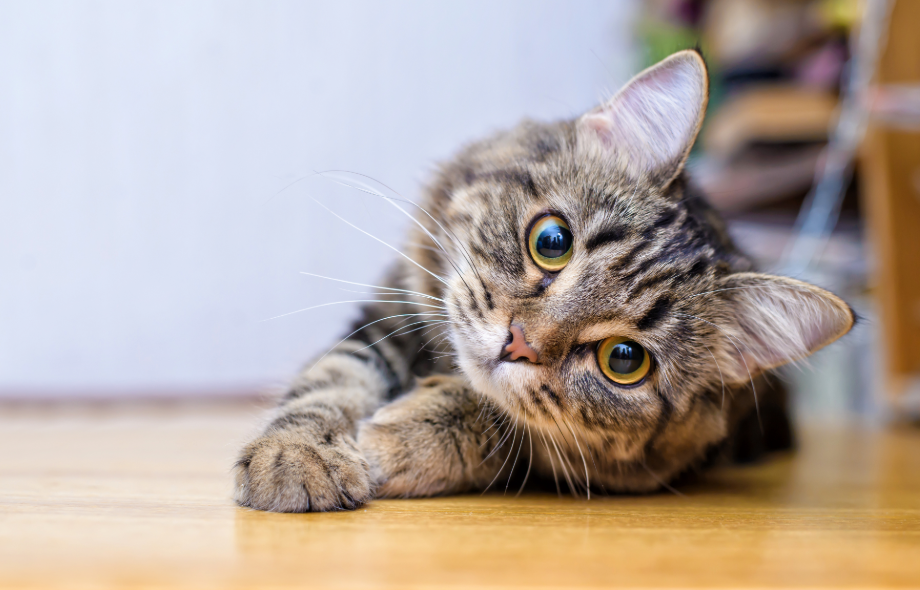
As spring arrives and the days grow noticeably longer, many cat owners start to notice subtle, and sometimes not-so-subtle, changes in their pet’s behaviour. If your usually chilled cat suddenly becomes restless, vocal, or starts spraying indoors, you’re not imagining things.
These cat behaviour changes in spring are strongly linked to increasing daylight hours, also known as photoperiod. This seasonal shift triggers hormonal changes that influence feline reproductive behaviour, especially in unneutered cats.
Understanding why cats behave differently in spring can help you manage these changes calmly and confidently, and spot early signs of potential health issues like abscesses.
Why Longer Days Affect Cats
Cats are highly sensitive to light. As daylight increases in spring, it stimulates the production of reproductive hormones.
This is particularly significant for:
- Unneutered male cats (toms)
- Unspayed female cats (queens)
Longer days signal the start of the breeding season, leading to:
- Increased activity and restlessness
- Stronger territorial instincts
- Heightened vocalisation
- A drive to roam and find mates
Even indoor cats may show mild changes, as natural light exposure can still influence their internal rhythms.
Increased Territorial Behaviour in Cats
One of the most noticeable cat behaviour changes in spring is a spike in territorial behaviour.
Cats become more protective of their space due to:
- Competition for mates
- Increased presence of other cats outdoors
- Hormonal drives
Signs of territorial behaviour:
- Aggression toward other pets
- Guarding areas of the home or garden
- Increased vigilance (watching windows, patrolling)
This behaviour is especially common in unneutered males but can occur in females too.
What you can do:
- Keep routines consistent to reduce stress
- Provide safe indoor enrichment (toys, climbing spaces)
- Limit exposure to outdoor triggers if possible
If aggression escalates, a Behaviour & Training Consult can help you manage it safely and effectively.
Spraying: Why Cats Mark More in Spring
If you’re suddenly dealing with strong-smelling urine marks, you’re not alone. Why cats spray in spring is one of the most common concerns among owners.
Spraying is a natural form of communication. Cats use scent marking to:
- Claim territory
- Signal reproductive availability
- Deter rival cats
Key signs of spraying:
- Small amounts of urine on vertical surfaces
- Tail quivering during spraying
- Targeting doors, windows, or new objects
How to manage spraying:
- Neutering or spaying (highly effective long-term)
- Cleaning marked areas thoroughly with enzyme cleaners
- Reducing stress and environmental triggers
If spraying becomes persistent, it’s worth speaking to a vet via 24/7 Vet Consults to rule out underlying medical issues.
Roaming and Increased Risk of Injury
Spring often brings a surge in cats roaming in spring, especially among unneutered males.
Driven by hormones, cats may:
- Travel further from home
- Cross roads more frequently
- Engage in fights with other cats
Risks of roaming:
- Road traffic accidents
- Getting lost
- Cat fights and bite wounds
Practical steps:
- Consider neutering to reduce roaming behaviour
- Keep cats indoors during peak activity times (dawn and dusk)
- Ensure your cat is microchipped and identifiable
Early Abscess Formation in Cats
With more roaming and fighting comes a higher risk of injuries — particularly bite wounds that can quickly turn into abscesses.
An abscess in cats is a pocket of infection under the skin, which will generally be very painful, and can often be caused by bites from other cats.
Early signs of an abscess:
- Swelling or lump (often painful)
- Lethargy or reduced appetite
- Fever
- Sudden sensitivity when touched
Abscesses can develop rapidly — sometimes within just a few days.
What to do:
- Check your cat regularly, especially after outdoor excursions
- Seek veterinary advice early if you notice swelling or behavioural changes
- Avoid attempting to treat wounds at home
Quick action via 24/7 Vet Consults can prevent complications and ensure your cat gets the right treatment fast.
How to Support Your Cat During Spring Changes
Managing cat hormones in spring season doesn’t have to be stressful. A few proactive steps can make a big difference.
Neutering and Preventive Care
Neutering is one of the most effective ways to:
- Reduce spraying
- Minimise roaming
- Lower aggression
Neutering can also be beneficial as it helps to lower the risk of viral diseases that can be transmitted by fighting.
For guidance on timing and benefits, trusted organisations like the RSPCA and PDSA offer excellent advice.
Nutrition and Overall Health
A balanced diet supports your cat’s immune system — especially important if they’re more active or at risk of injury.
- Ensure high-quality, species-appropriate food
- Maintain a healthy weight
- Support recovery from minor injuries
If you’re unsure about your cat’s diet, Nutrition Consults can provide tailored advice.
Monitoring Behaviour Changes
Not all behavioural shifts are purely hormonal. Sometimes, they can signal:
- Pain
- Stress
- Underlying illness
Using tools like Health & Happiness Tools can help you track patterns and spot changes early.
Enrichment for Indoor Cats
Even indoor cats may feel the effects of longer days.
Help them stay calm and stimulated with:
- Interactive toys
- Window perches
- Regular play sessions
If behaviour becomes challenging, a Behaviour & Training Consult can provide personalised strategies.
When to Seek Veterinary Advice
While many cat behaviour changes in spring are normal, some situations need prompt attention.
Contact a vet if your cat:
- Has wounds, swelling, or signs of an abscess
- Shows sudden aggression or extreme behavioural change
- Stops eating or becomes lethargic
- Sprays excessively or unusually
Early intervention can prevent small issues from becoming serious problems. The British Veterinary Association also emphasises the importance of proactive veterinary care.
Conclusion
Longer days bring natural changes in your cat’s behaviour, driven by powerful hormonal and seasonal cues. From territorial behaviour in cats to spraying and roaming, these shifts are a normal part of feline biology — but they do come with challenges.
The key is understanding what’s happening and responding early:
- Recognise behavioural changes
- Reduce risks where possible
- Seek advice when something doesn’t feel right
With the right support, you can help your cat stay safe, comfortable, and happy throughout the spring season.
If you’re unsure about any changes you’re seeing, you don’t have to guess — download the PawSquad app today to book a 24/7 Vet Consult, explore expert-led services, and keep your cat thriving all year round.