
Helping dogs and cats cope with fireworks
Bonfire Night and Diwali may be highlights of the season, but for many pets, they can be the most stressful nights of the year, with pet owners dreading the approach of the evening. Loud bangs, bright flashes, and sudden noises can leave dogs and cats feeling anxious or even terrified. Firework fears are common, but with preparation and the right support, you can help make this time of year easier for your pet.
This guide covers both long-term training and preparation, as well as practical steps you can take in the moment.
Why pets fear fireworks
Dogs and cats hear far more acutely than humans. Fireworks are sudden, unpredictable, and impossible for them to understand. The result is often stress behaviours such as pacing, shaking, hiding, or destructive behaviour. In some pets, fireworks phobia becomes worse year after year if it is not addressed.
Long-term: Preparation is key
Helping your pet cope with fireworks is not just about one evening in November. Long-term strategies can actually change the way your dog’s brain processes these noises, making them less frightening over time.
Here we will provide an overview of various methods which can help build resilience in the run up to Scary Season. PawSquad’s Behaviour & Training Consults can guide you through tailored plans. Always seek help from a professional if your pet shows severe anxiety.
Desensitisation and counter-conditioning:
- Use sound therapy programs or recordings of fireworks at a very low volume.
- Gradually pair these sounds with positive experiences, such as play or treats.
- Over weeks and months, slowly increase the volume to build tolerance.
- Work with a behaviourist to introduce controlled exposure if needed.
Behavioural training:
- Teach “settle” cues and calm behaviours in safe environments.
- Build up resilience with training sessions that reward calmness around low-level noises.
Routine support:
- Consider pheromone diffusers, calming supplements, or prescription medication where needed – these are most effective when started in advance.
- Incorporate mental stimulation, like puzzle feeders, into your pet’s routine so they learn positive coping strategies.
Short Term: Practical steps for Bonfire Night
Even with the best preparation, your pet may still find fireworks stressful. On the evening itself, these practical measures can help:
Create a safe space:
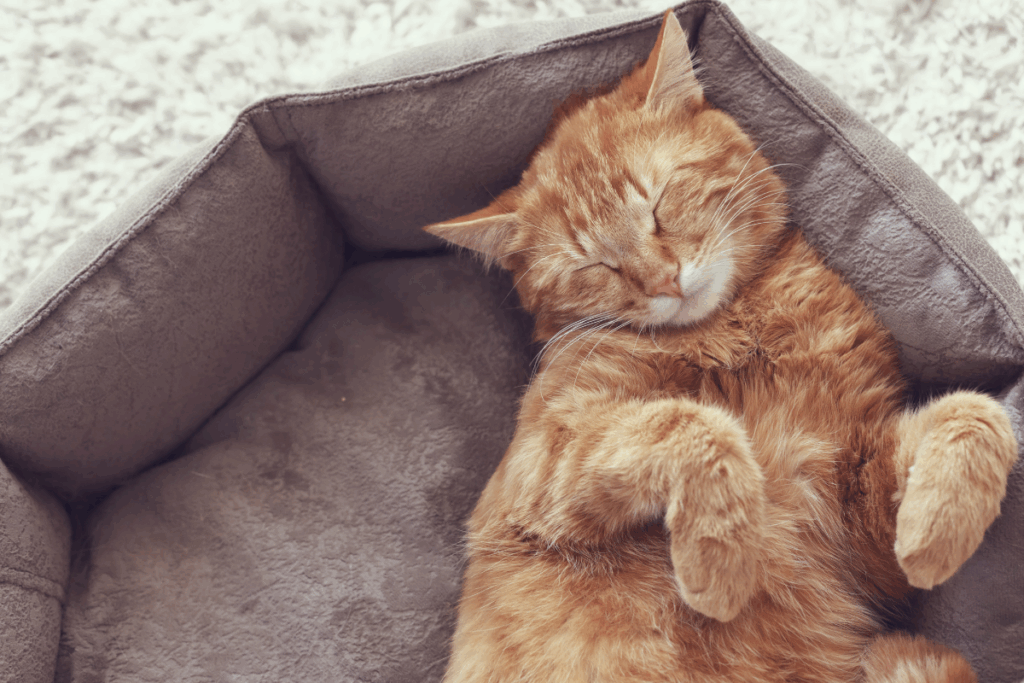
- Provide a quiet room with blankets, bedding, and toys.
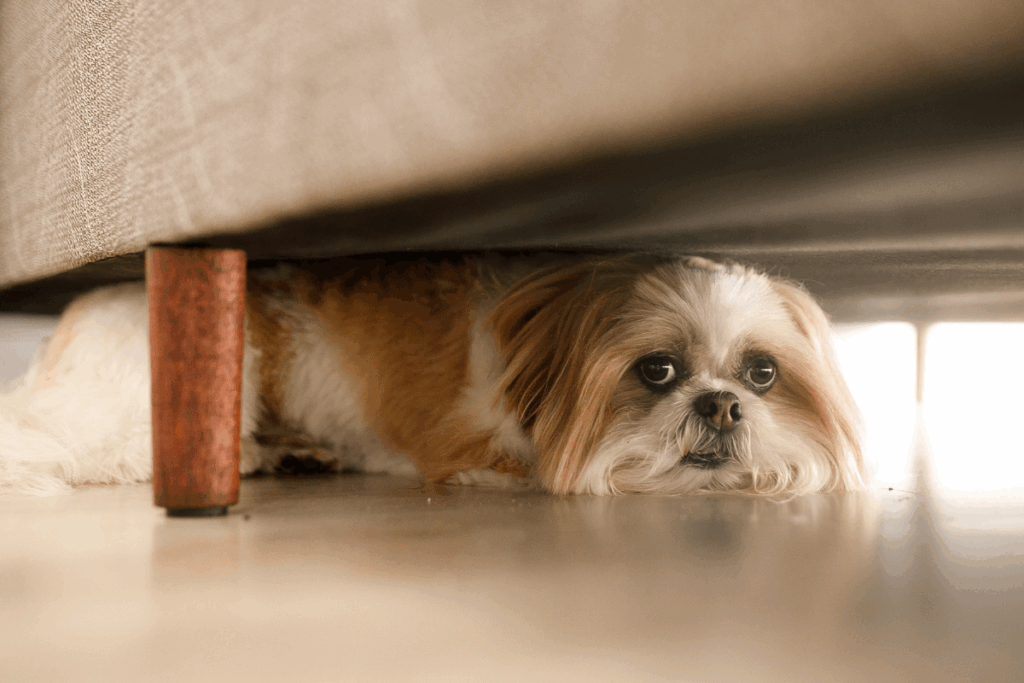
- Let your pet choose where they feel most secure – some prefer hiding under furniture.
- Give them lots of things they will enjoy chewing on or try a licki-mat with something nice to lick off. (chewing and licking release feel good endorphins).
Minimise the noise and flashes:
- Close windows, doors, and curtains. Use black out curtains if possible, as sometimes the sudden changes in light may startle them.
- Play calming background noise such as TV, radio, or white noise to muffle bangs. Studies have shown that dogs are calmed by classical music, and even reggae!
Stay calm yourself:
- Pets pick up on human anxiety. Speak softly and avoid over-reassuring. Offer gentle comfort if they seek it, but don’t force interaction.
Keep routines consistent:
- Feed and exercise pets earlier in the day before fireworks start.
- Ensure cats are kept indoors during evenings when fireworks are likely.
- Walk dogs before dark to avoid being outside when fireworks begin.
Distraction and enrichment:
- Offer long-lasting chews or puzzle feeders to redirect attention.
- Gentle play indoors can help to burn off nervous energy.
Extra Considerations
Supporting older pets and long-term health
For senior pets or those with existing anxiety, fireworks can be especially tough. Joint stiffness may worsen when they pace or tremble, and stress can affect appetite or sleep. Supporting long-term mobility and wellbeing through services like PawSquad’s Mobility Care and Health & Happiness Tools can make recovery easier after stressful nights.
Noise and Pain Association
Pets experiencing pain or discomfort may associate the fireworks’ noise with their condition, amplifying their fear. For example, arthritic pets may feel worse due to increased tension during stressful events.
When to seek veterinary help
If your pet shows extreme fear – such as continuous shaking, destructive behaviour, self-injury, or refusal to eat or drink – it is time to seek professional support. We are here for you 24/7 including Bonfire Night if you and your pet are struggling, but we urge owners not to leave their Bonfire Night prep to the last minute. Behaviourists can offer training plans, and long-term strategies to prevent fireworks phobia from worsening; and a visit to your regular vet for calming medication may be necessary.
PawSquad’s 24/7 Vet Consults are always available if you need immediate advice, while Behaviour & Training Consults can help you put a long-term plan in place before the next fireworks season.
Summary – helping pets through fireworks season
Firework displays can be distressing for pets, but with preparation and the right care, you can make the experience less frightening.
- Start long-term training and desensitisation well in advance.
- Support your pet with safe spaces, calming aids, and consistent routines.
- On the night, keep them indoors, provide distractions, and stay calm.
Taking both short-term and long-term steps means your pet will be better able to cope not just this year, but for future fireworks too.
Explore PawSquad’s 24/7 Vet Consults, Behaviour & Training, Nutrition, Mobility Care, and Health & Happiness Tools to support your pet all year round.