

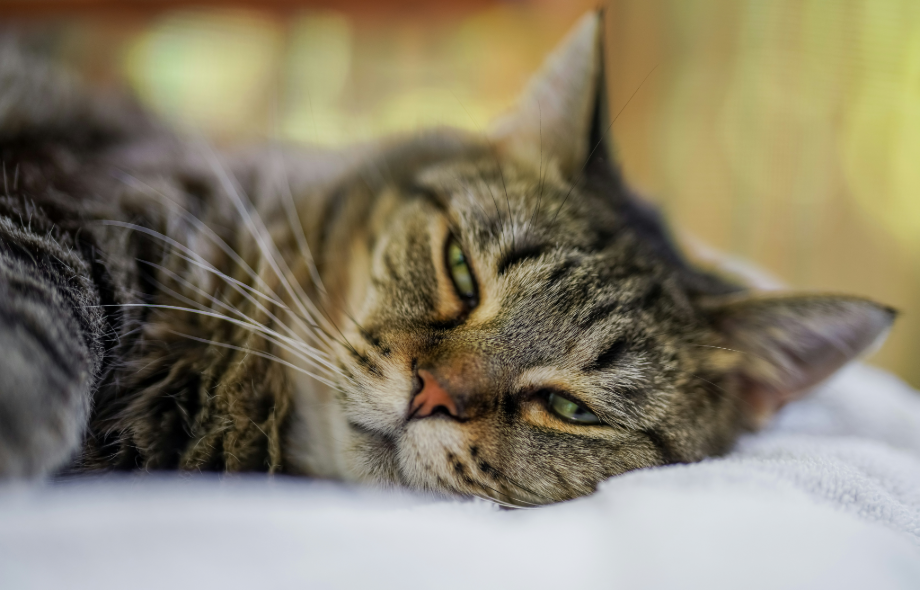
Did you know cats can get flu too? Cat flu viruses are different from those that cause human flu, but the symptoms – such as sneezing, runny eyes and a blocked or runny nose – can be remarkably similar. However, a major difference between cat flu and human flu is that some cats can continue to carry the viruses after recovering. This means they may occasionally develop flare-ups of symptoms and pass the viruses to other cats.
Cat flu is usually mild in healthy adult cats, but it can be much more serious in kittens, older cats and cats with health problems. It’s always best to contact your vet promptly if you suspect your cat has cat flu. Getting the right care early can help them recover and reduce the risk of complications.
What is cat flu?
Cat flu is a common infection of the upper respiratory tract (nose, throat and upper airways) that causes flu/cold-like symptoms. It can be caused by two main viruses: Feline Herpesvirus (FHV-1) and Feline Calicivirus (FCV). Some cats are infected with just one of these viruses, while others are infected with both at the same time. Both viruses cause similar flu-like symptoms, but there are some specific differences, which we’ll explain below. Some cats can also develop a bacterial infection called Chlamydia felis on top of the viral infection, which can make their symptoms worse.
What are the symptoms of cat flu?
Cat flu symptoms can range from mild to very serious. They tend to be significantly worse in kittens, older cats, and cats with health problems.
Early signs:
- Sneezing
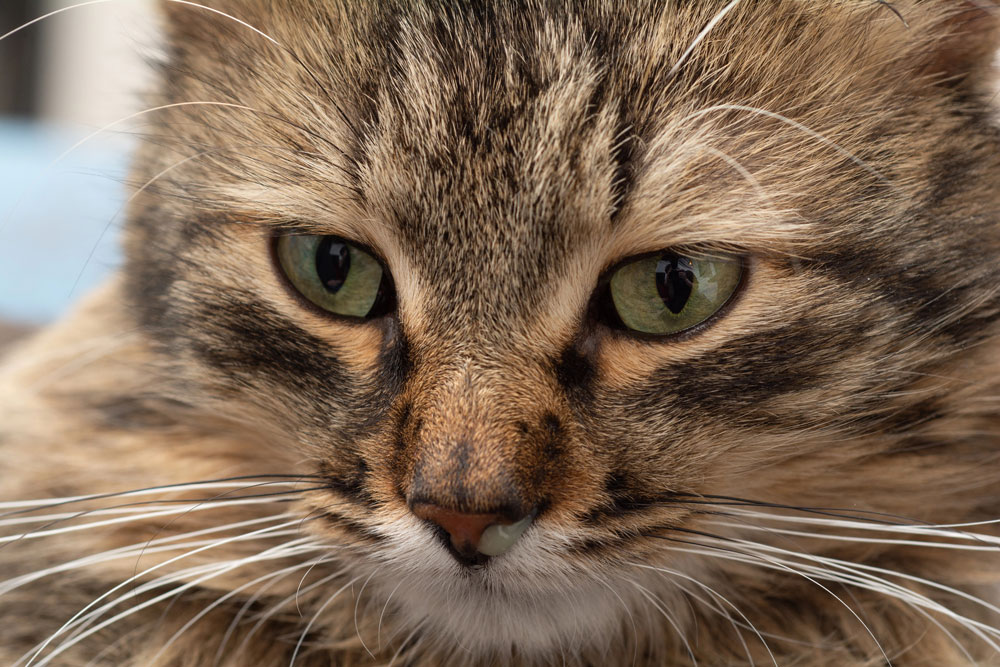
- Runny eyes (clear discharge)
- Runny nose (clear discharge)
- Low energy
- Reduced appetite
Worsening signs:
- Thick discharge: Eye and nose discharge turns thick, yellow, or green
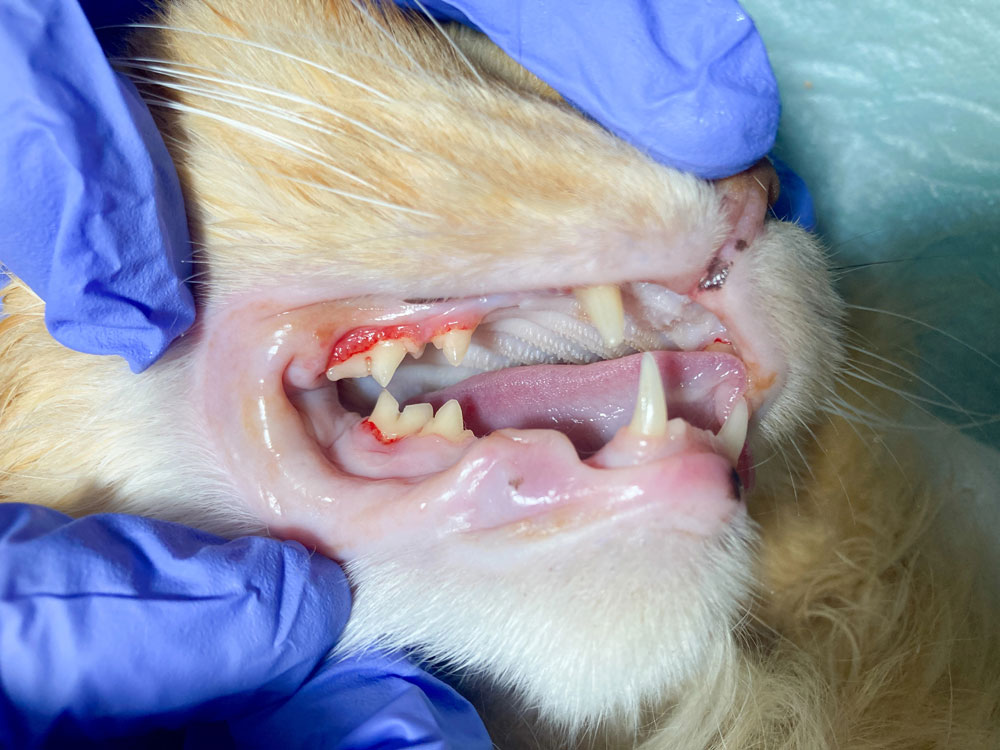
- Mouth sores: Painful red spots on the tongue or gums, causing drooling, bad breath, and making it painful to eat
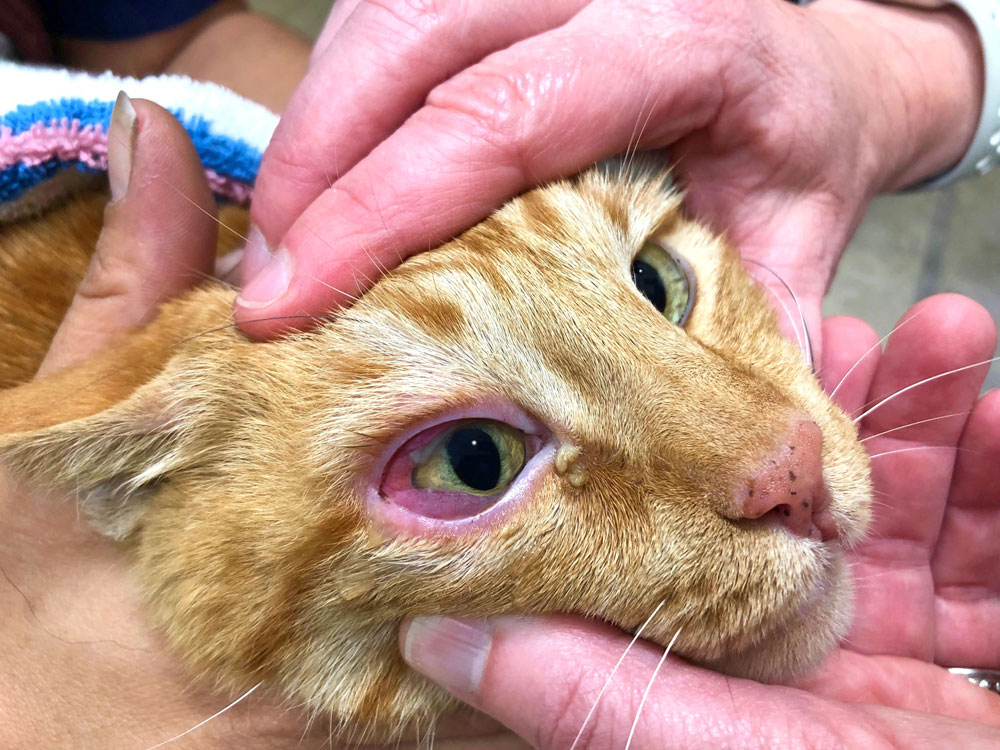
- Eye problems: Swollen, red eyelids (conjunctivitis), squinting, or ulcers (sores) on the surface of the eye
- Fever and loss of appetite: A high temperature and blocked nose can make cats feel unwell and make it difficult for them to smell their food, which can cause them to stop eating
- Breathing problems: Severe infections can cause difficulty breathing or pneumonia (infection and inflammation of the lungs)
Virus-Specific Symptoms
While both viruses can cause general flu symptoms, they can also cause different symptoms that tend to affect certain areas of the body:
Feline Herpesvirus (FHV-1) – often causes more severe eye and nose problems:
- Severe eye inflammation (conjunctivitis) and swollen eyelids
- Squinting, cloudy eyes or corneal ulcers (painful sores on the surface of the eye)
Feline Calicivirus (FCV) – commonly affects the mouth:
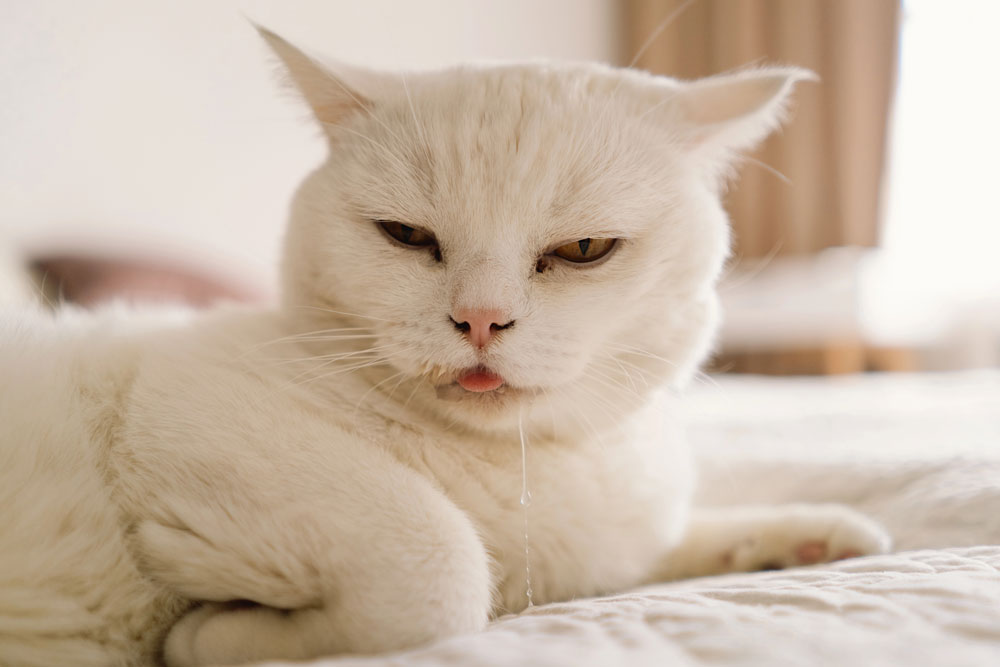
- Painful red sores and ulcers on the tongue, gums and roof of the mouth
- Gingivitis (inflammation of the gums)
- Excessive drooling and bad breath due to mouth pain
- Joint pain and limping, particularly in young kittens
When to Contact Your Vet
If you think your cat or kitten might have cat flu, give your vet a call for advice. Getting help early prevents complications and gets them back on their paws faster.
Contact your vet urgently if your cat:
- Is struggling to breathe
- Has stopped eating
- Is very weak or unusually sleepy
- Has a painful, cloudy or closed eye
How does cat flu spread?
Cat flu spreads quickly and easily between cats via:
- Direct contact with infected or ‘carrier’ cats: Cuddling, grooming each other, or nose-to-nose greetings
- Sneezing and coughing: An infected cat can easily transmit the virus to another cat if they sneeze or cough near them
- Shared items: Food bowls, bedding, toys, and even human hands can transfer the virus from one cat to another
Carrier Cats
Cats can continue to carry and shed the viruses after recovering from cat flu. How long this lasts depends on which virus caused the infection:
- Feline Herpesvirus (FHV-1): Most cats infected with FHV-1 carry the virus for life. It can become active again during times of stress or illness, causing them to shed the virus and sometimes develop another flare-up of symptoms
- Feline Calicivirus (FCV): Most cats shed FCV for a few months after recovering, and a small proportion continue to carry and shed the virus for much longer
Even if they look completely healthy, carrier cats can still pass the virus to other cats.
How is cat flu diagnosed and treated?
Diagnosis
Your vet will usually be able to tell if your cat has flu just by examining them and checking their symptoms. If your cat is very unwell, not getting better, or has a complicated case, your vet might take a swab of their eyes or throat to pinpoint the exact virus or bacteria causing it.
Treatment
There is no cure that directly gets rid of the viruses that cause cat flu, so treatment focuses on supportive care and medication to keep your cat comfortable while their immune system fights the infection.
1. Supportive care at home
- Keep eyes and nose clean: Gently wipe away crusts and runny discharge using warm water and a fresh cotton wool pad for each eye
- Tempt them to eat: Offer boneless warm, strong-smelling, soft foods (like warmed fish, chicken, or tasty wet food) to encourage them to eat
- Help with a blocked nose: A humid environment may help loosen mucus and make it easier for your cat to breathe through a blocked nose. Don’t force your cat to stay somewhere they find stressful, as stress can make their symptoms worse
2. Veterinary treatments
- Pain relief: Helps keep your cat comfortable, particularly if they have painful eyes or mouth. Certain pain relief medications can also help lower a high temperature
- Eye drops or ointments: Your vet may prescribe these to treat eye infections, protect the surface of the eye or treat ulcers
- Antibiotics: Antibiotics don’t fight the flu viruses but can be useful if your cat has a bacterial infection that’s making their symptoms worse
- Antiviral medication: Used in severe cases, especially when Feline Herpesvirus (FHV-1) is involved
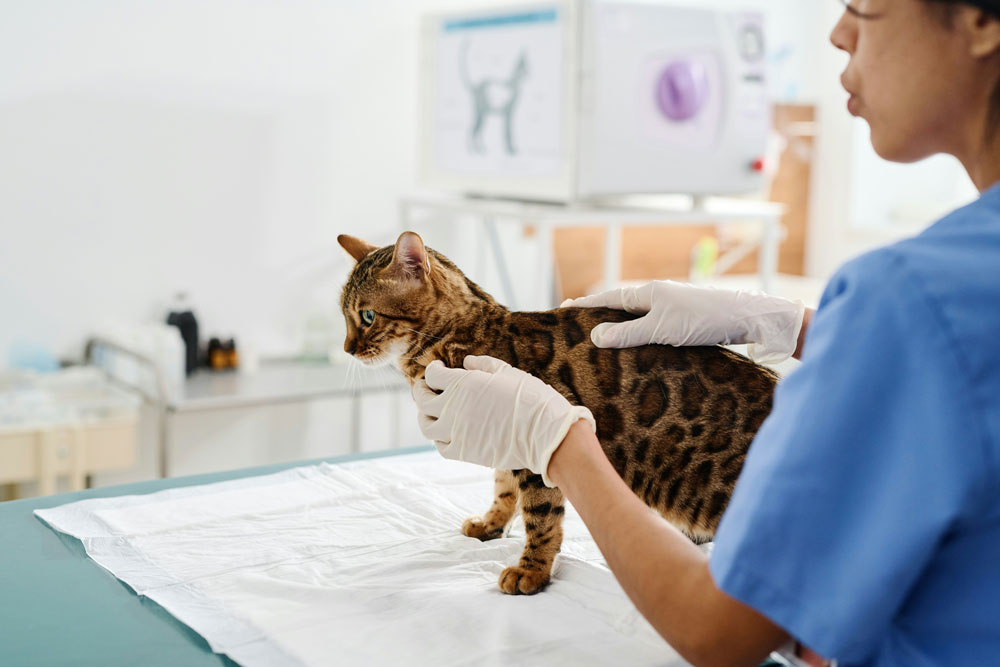
- Hospitalisation: Severely unwell cats may need to stay in hospital, particularly if they are dehydrated, struggling to breathe or unable to eat and drink. They may need fluids through a drip and, if they cannot eat on their own, nutritional support such as feeding through a tube
What to expect long-term
Most healthy adult cats recover within a few weeks, although some cats can have symptoms that last longer. Young kittens, older cats, or cats with other health conditions are at a higher risk of developing more serious symptoms such as chest infections (pneumonia), severe eye ulcers, or dehydration through not eating and drinking. Severe infections can sometimes permanently damage the nose, causing ongoing sneezing or a runny or blocked nose.
How to prevent cat flu
Vaccination is the best way to reduce your cat’s risk of severe cat flu:
- Vaccinate: Vaccines are available against both Feline Herpesvirus (FHV-1) and Feline Calicivirus (FCV). They don’t provide complete protection against infection, but they significantly reduce the risk of severe disease. Follow your vet’s advice on keeping their booster vaccines current throughout their life
- Reduce stress: Keeping your cat’s environment calm and predictable can help reduce stress, which may trigger flare-ups in cats carrying FHV-1
- Isolation from other cats: If you have more than one cat, keep your infected cat away from other cats while they are showing signs of illness. Ask your vet how long they should remain separated, as this can depend on the virus involved. Avoid sharing food bowls, bedding and other items, and disinfect them regularly
- Wash your hands: Wash your hands after handling a cat with cat flu, particularly before touching other cats
Need further advice on caring for your cat? Download the PawSquad app and book in a consultation with a vet online today.