
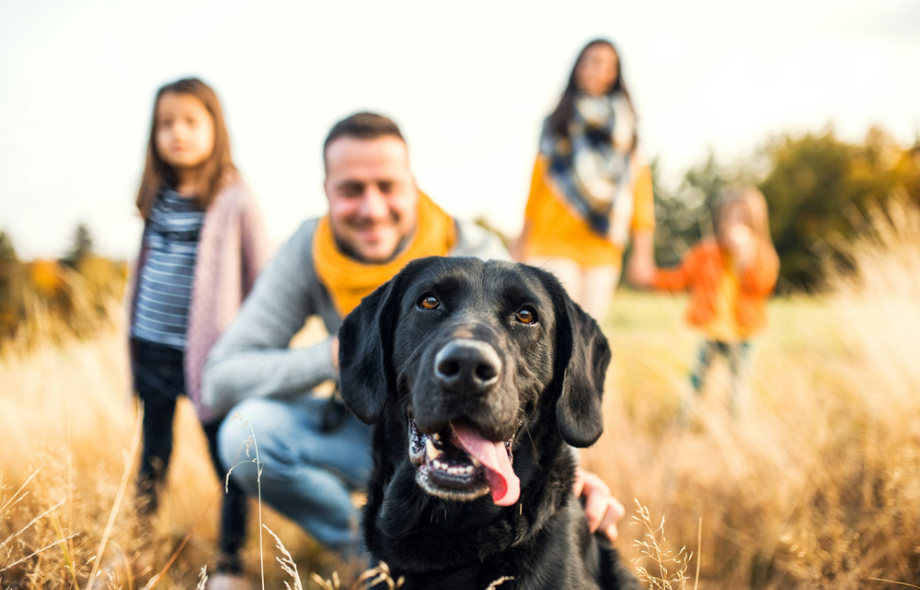
September can feel like a reset for the whole household. Children go back to school, summer holidays finish, working patterns change and suddenly a home that has been busy for weeks becomes much quieter during the day.
We tend to think about getting ourselves back into a routine, but our pets have had a summer routine too.
Perhaps your dog has become used to someone being around most of the day. Walks have happened at different times, there have been more outings, and the children have been available for games and cuddles. Your cat may have adapted their day around a house full of people, even if that adaptation involved finding somewhere peaceful to sleep until everyone went out.
Most pets will cope perfectly well when September arrives. Others can find a sudden change more difficult, particularly if they have become accustomed to having company almost all the time.
A little preparation can help make the transition feel much less dramatic.
Pets notice routines more than we sometimes realise
Pets don’t understand that the school holidays have ended or that you suddenly need to be in the office three days a week. They simply notice that the pattern of their day has changed.
For dogs, predictable routines can help them feel secure because they begin to understand what happens next. If several weeks of almost constant company suddenly become a full working day alone, some dogs can struggle with that adjustment. PDSA recommends easing dogs back towards their normal routine and gradually rebuilding periods of time alone rather than making the change overnight.
Cats can be affected by routine changes too. Cats Protection advises that regular feeding, play and rest times can help cats feel more relaxed when circumstances change.
That doesn’t mean every pet needs a military-style timetable. It is more about keeping some familiar landmarks in their day.
If breakfast normally happens before the school run, try to get back to that timing before term starts. If your dog will normally be walked before you leave for work, reintroduce those morning walks. If your cat normally has an evening play session once everyone is home, keeping that familiar can help provide some consistency while the rest of the household routine changes.
Start practising before the house suddenly empties
If your dog has barely been alone during the holidays, the first day back at work is not the ideal time to discover that four or five hours feels overwhelming to them.
Start introducing short periods apart while you are still around to do it gradually.
The important part is to build the time slowly and watch how your dog responds, rather than simply increasing the duration each day regardless of how they are coping.
Dogs Trust advises building time alone very gradually and reducing it again if a dog begins showing signs of anxiety.
This is particularly important if your dog already struggles with being left. A dog who becomes genuinely distressed is unlikely to simply “get used to it” by repeatedly being left for longer than they can cope with. In established separation anxiety, continuing to leave a dog beyond their coping point can make the problem harder rather than easier, and professional behavioural support may be needed.
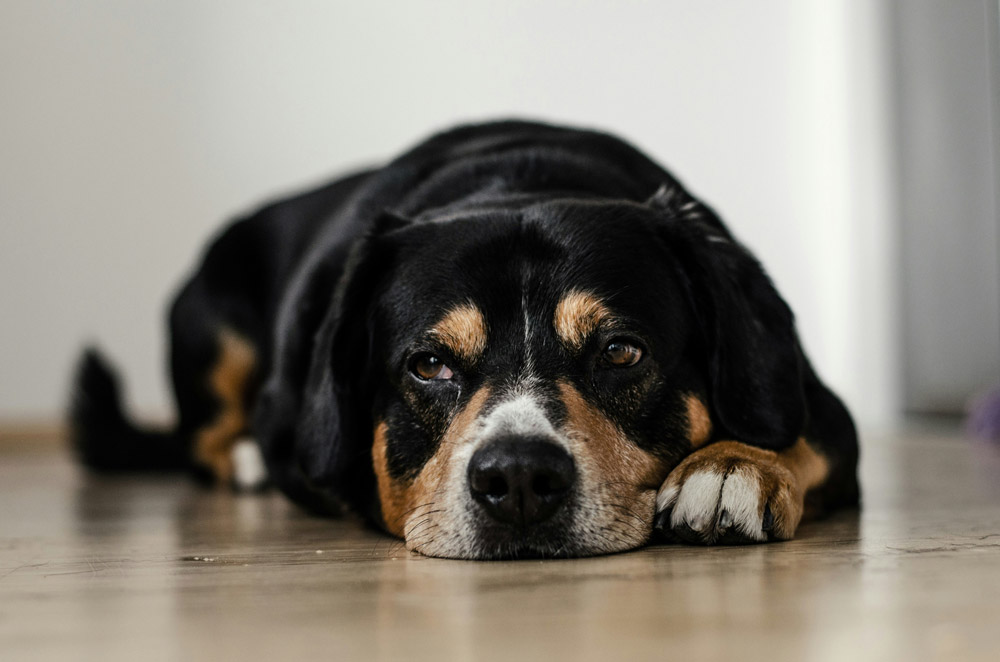
What does struggling actually look like?
Some dogs make it very obvious that being left is difficult. They may bark or howl, scratch at doors, chew furniture or toilet indoors.
Others are much quieter.
A worried dog may pace, pant, repeatedly move between doors and windows, become unable to settle or spend long periods waiting near the place where you left. This is one reason a pet camera can be useful. It gives you a much better idea of what your dog actually does once the front door closes. Dogs Trust specifically recommends considering a camera when assessing how a dog copes alone.
If you come home to damage or an accident, avoid telling your dog off. Concentrate instead on finding out why it happened. Destructive behaviour and toileting can have several causes, and if they are happening specifically when your dog is left, anxiety is one possibility that needs investigating.
Changes in cats can be subtler still.
You might notice more hiding, increased scratching, changes around the litter tray, altered appetite or simply that your cat seems less relaxed than usual. Behavioural changes in cats should not automatically be put down to stress, however. Pain and illness can also change a cat’s behaviour, so a persistent or significant change deserves veterinary advice, particularly if eating, drinking, toileting or weight are affected.
Give them something to do, but don’t try to entertain them all day
There is a temptation to compensate for being out by leaving a mountain of toys around the house.
Most pets don’t need constant entertainment. Rest is an important part of the day too.
For dogs, a comfortable sleeping area, fresh water and a safe enrichment activity can make settling easier. Food-filled toys, puzzle feeders or an appropriate chew can be useful if your dog enjoys them and they are safe to leave unsupervised. PDSA recommends enrichment alongside appropriate daily exercise to help dogs cope with periods at home.
One useful clue is what happens to that favourite food toy after you leave.
If your dog normally loves it but won’t touch it until you come home, that can suggest they are too worried to eat while alone. In that situation, adding more enrichment is unlikely to solve the underlying problem.
Cats benefit from having choices too. Somewhere elevated to sit, somewhere enclosed to hide, scratching opportunities and safe independent play can all make their environment more interesting. Puzzle feeders can give food-motivated cats an opportunity to forage rather than eating everything from a bowl in a few seconds. Cats Protection recommends providing opportunities for cats to play and explore independently when owners are away.
Try not to assume that a cat sleeping for much of the day is bored. Many perfectly content cats will choose to do exactly that.
The morning matters
A frantic household can make the return to school stressful for humans before anyone has even found both shoes. Dogs can pick up on that change in activity too.
Giving your dog enough time for a relaxed walk and a chance to toilet before you leave is much better than squeezing in a rushed five minutes around the block. Dogs Trust recommends walking dogs and giving them the opportunity to toilet before a period alone.
That walk doesn’t have to be exhausting. Sniffing, exploring and having time to investigate the environment can make it a worthwhile outing without trying to tire your dog into sleeping all day.
If possible, avoid making leaving the house into a huge event. An emotional ten-minute goodbye can make the contrast between “everyone is here” and “everyone has disappeared” even greater. Calm departures and calm returns can help keep the transition more ordinary.
The same applies when you come home. Of course you can say hello to your dog, but there is no need to turn every return into the highlight of the century.
Don’t forget the after-school change
Sometimes it isn’t being left alone that unsettles a pet. It is the whole household changing gear.
The door suddenly opens in the afternoon. Children arrive home, bags are dropped, friends visit, dinner starts and the quiet house becomes noisy again.
Some dogs will love this. Some cats will disappear.
Make sure pets still have access to somewhere they can choose to rest undisturbed. This can be particularly helpful for older animals, nervous pets and cats who would rather watch the after-school chaos from a safe distance.
A cat choosing to remove themselves is not being antisocial. Giving them control over when they interact can help them feel more secure. Cats Protection recommends providing hiding places and allowing cats the option to move away from situations they find stressful.
When it’s more than an adjustment period
A slightly puzzled pet for the first few days of a new routine isn’t necessarily a cause for concern.
Repeated distress is different.
If your dog cannot settle when left, vocalises for long periods, tries to escape, damages doors or windows, toilets despite normally being housetrained, refuses food when alone or becomes distressed as soon as you start preparing to leave, it is worth asking for help.
Separation-related problems can be treated, but the right approach depends on what is driving the behaviour. Dogs Trust recommends professional support for dogs showing separation anxiety rather than simply continuing to expose them to periods alone that they cannot cope with.
With cats, persistent changes in appetite, toileting, grooming, activity or behaviour should be discussed with a vet first. Behaviour that looks like stress can sometimes have a medical explanation, particularly in cats, where signs of discomfort can be easy to miss.
A new routine can become normal surprisingly quickly
Going back to school or work doesn’t have to be a difficult event for your pet.
If you know the household routine is about to change, start shifting towards it before the first busy Monday morning arrives. Keep familiar parts of your pet’s day predictable, reintroduce time apart gradually and pay attention to how they are actually coping rather than assuming silence means everything is fine.
Most pets will soon work out the new rhythm of the household.
And if yours doesn’t, don’t wait until everyone is exhausted and your front door has been chewed before asking for advice. Behaviour is communication, and changes in behaviour are always worth paying attention to.
If you have access to PawSquad, you can speak to a vet through the app 24/7 if you’re unsure whether a change in your pet’s behaviour is something to be concerned about. Behaviour consultations are also available through PawSquad, giving you the opportunity to speak one-to-one with a small animal behaviourist while your pet is in their own home.