
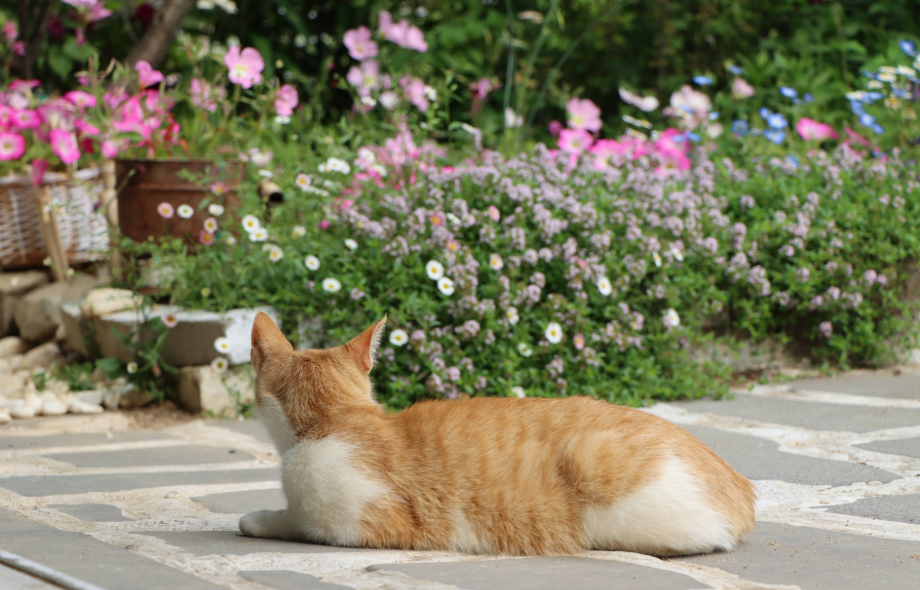
Spring can be a challenging time for some cats. While warmer weather and longer days are welcome, seasonal allergens such as pollen, fleas and environmental irritants can trigger uncomfortable skin problems in cats, leading to itching, excessive grooming, sore skin and ongoing irritation.
Unlike dogs, cats with allergies often show more subtle signs at first, so symptoms can sometimes be mistaken for stress, behavioural changes or simple grooming habits.
Common signs of allergies in cats
If your cat is experiencing allergies, you may notice:
🐾 Excessive scratching, licking or chewing
🐾 Overgrooming or bald patches (especially on the belly, legs or sides)
🐾 Scabs, small bumps or red, inflamed skin
🐾 Frequent ear irritation or head shaking
🐾 Watery eyes or sneezing
🐾 Vomiting, diarrhoea or food sensitivity signs
🐾 Increased restlessness or irritability
Important:
Skin irritation, hair loss or digestive signs in cats are not always caused by allergies. Parasites, skin infections, pain, stress-related overgrooming or underlying medical conditions can cause similar symptoms, so veterinary assessment is important if symptoms are new, worsening or persistent.
Common allergy triggers in cats
Flea Allergy Dermatitis:
- This is the most common cause of itchy skin problems in cats with insufficiant/inadequate flea control
- Flea problems get much worse with warmer weather so they often appear to be a seasonal problem
- Even a single flea bite can trigger severe itching in sensitive cats
- Other allergic skin problems are much less common
Seasonal / Environmental Allergies:
- Grass, tree and flower pollen
- Dust mites or mould spores
- Household sprays, cleaning products or fragrances
- Smoke or airborne irritants
Food Allergies:
- Common dietary triggers may include beef, chicken, fish, dairy or grains
How to help an itchy cat
- Keep flea prevention up to date year-round
- Vacuum regularly and wash bedding frequently
- Reduce exposure to household irritants or scented products
- Gently wipe your cat’s coat with a damp towel (if tolerated) to reduce pollen build-up
- Feed a consistent, vet-recommended diet if food allergies are suspected
- Seek veterinary advice before using any medications, shampoos or antihistamines, as many dog products or human treatments are unsafe for cats
When to speak to a vet
If your cat has:
- Persistent itching or overgrooming
- Skin wounds, scabs or hair loss
- Recurrent ear issues
- Digestive symptoms alongside skin signs
- Sudden or severe changes
A vet can help identify whether allergies, fleas, infection, food sensitivities or another medical issue may be involved.
The bottom line
Allergies in cats can significantly affect comfort and quality of life, but early support can help reduce flare-ups and prevent complications.
If your cat is scratching more than usual, grooming excessively or showing skin changes this spring, professional advice can help uncover the cause and guide the safest treatment plan.
Download the PawSquad app today to gain access to 24/7 online vet advice.