
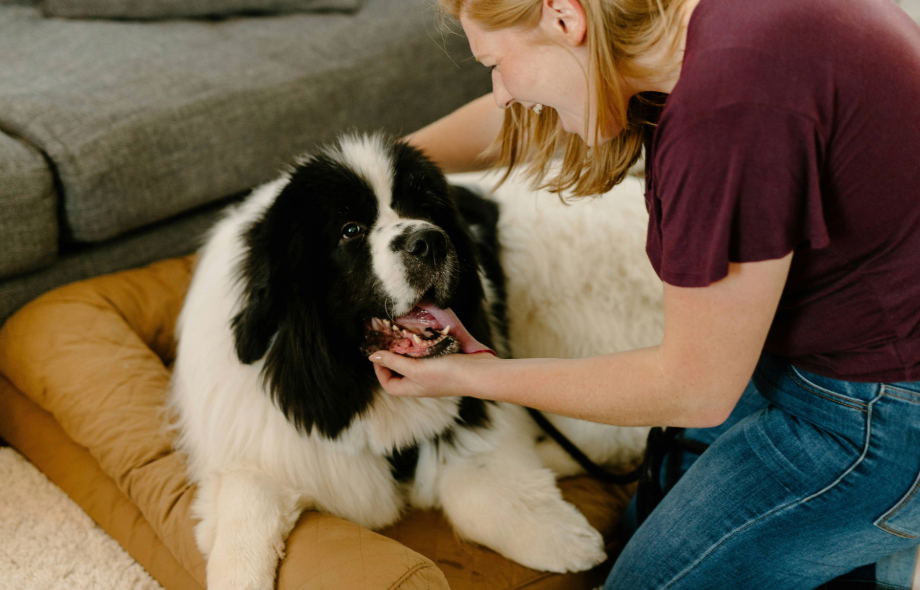
When your pet begins to slow down or struggles with everyday activities, it can be heartbreaking to watch. Whether due to ageing, arthritis, injury, or another health condition, mobility issues are common in both dogs and cats. The good news is that there are simple, practical adjustments you can make at home to improve their comfort, independence, and overall wellbeing.
Here are five easy ways you can adapt your home to make life safer and easier for your pet.
Create Easy Access with Ramps and Steps
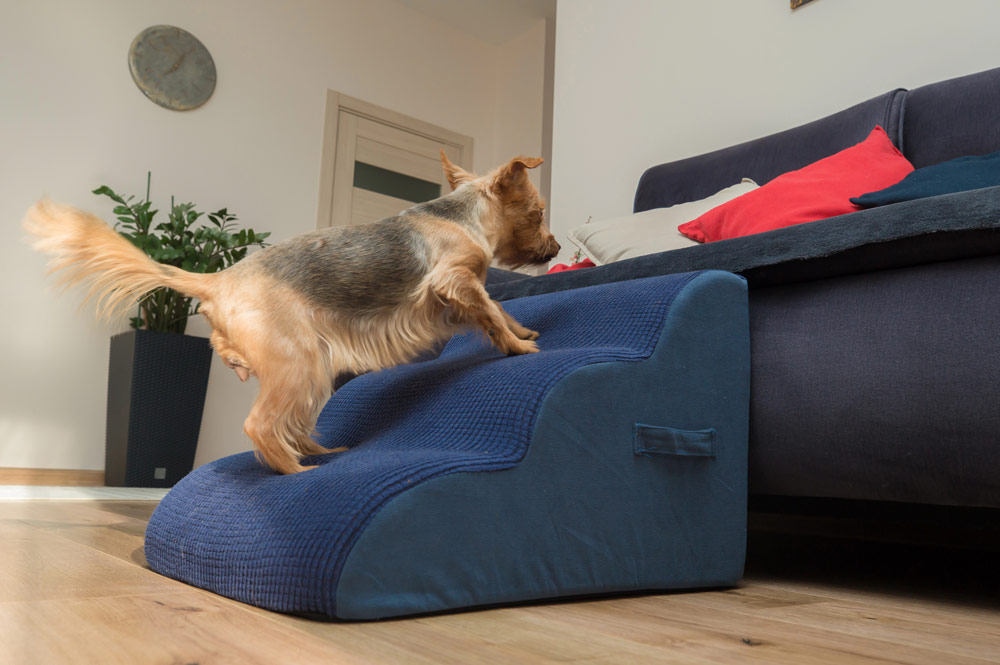
One of the biggest challenges for pets with mobility issues is getting up and down from raised areas such as sofas, beds, or cars. Jumping can be painful or risky, and stairs may become difficult.
Investing in pet ramps or soft steps can make a huge difference. These allow your dog or cat to reach their favourite resting spots without putting unnecessary strain on their joints. Look for ramps with non-slip surfaces and gentle inclines, especially for older pets.
If you’re unsure which option would suit your pet best, speak to a vet. PawSquad’s Mobility Care service connects you with vets who can advise on safe products and techniques for your pet’s needs.
Make Floors Safer with Non-Slip Surfaces
Slippery floors such as laminate, wood, or tiles can be hazardous for pets who struggle with mobility. A simple slip can cause pain or worsen an existing condition.
You can help by laying down rugs, runners, or non-slip mats in high-traffic areas. Consider placing yoga mats or textured rubber flooring near food bowls and beds, where your pet is most likely to slip.
This simple adjustment not only prevents accidents but also gives your pet confidence to move around freely at home.
Provide Supportive Bedding
Rest and sleep are vital for pets with mobility issues, but hard or thin bedding can increase discomfort. Orthopaedic or memory foam beds are designed to cushion joints and provide proper support.
Place your pet’s bed in a warm, easily accessible spot. If they usually sleep upstairs, consider moving their bed to the ground floor so they don’t have to struggle with stairs.
If your pet is reluctant to rest or shows signs of stiffness, a quick 24/7 vet consult with PawSquad can help you understand whether bedding changes or additional treatment may be needed.

Raise Food and Water Bowls
Pets with arthritis or reduced flexibility can find it painful to bend down to floor level for food and water. Raised feeding stations or adjustable bowl stands help them eat and drink without strain.
You don’t always need to buy expensive equipment – even placing bowls on a sturdy box can help. Just ensure it’s the right height for your pet, so they can reach comfortably while standing or sitting.
Supporting nutrition is also vital for pets with mobility issues. A Nutrition Consult can ensure your pet’s diet supports joint health, weight management, and overall wellbeing.
Adapt Your Home Layout
Small changes to your home environment can significantly reduce daily challenges for your pet.
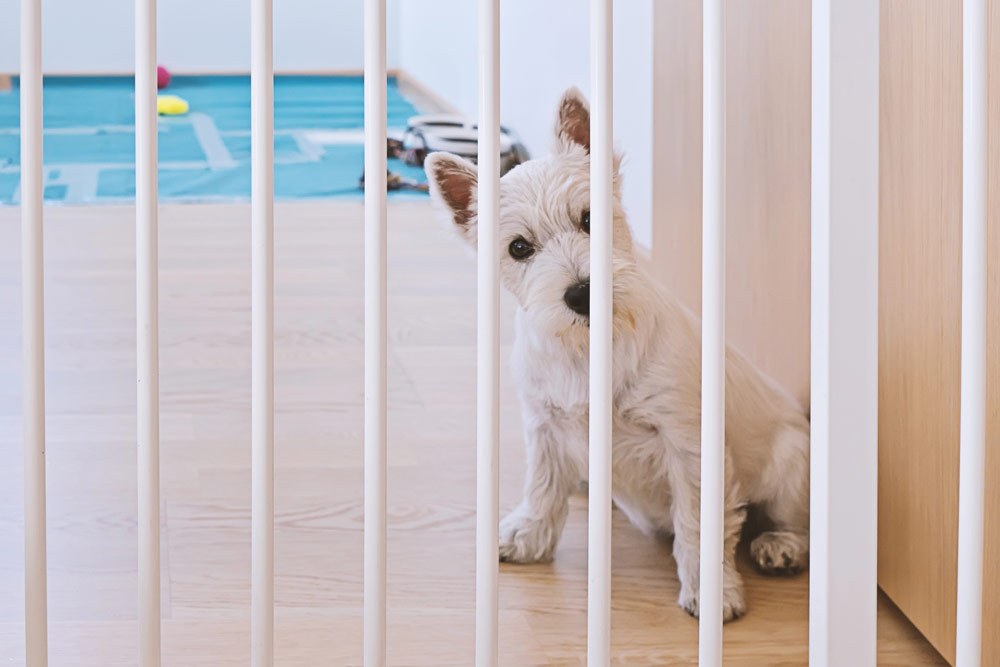
– Use baby gates to block off steep staircases.
– Keep essentials like food, water, and toys on the same floor to minimise unnecessary climbing.
– Ensure pathways are clutter-free, giving your pet space to move without obstacles.
– Provide extra litter trays for cats on each level of the house.
For dogs, consider shorter, more frequent walks instead of long ones that may cause fatigue. Behavioural changes such as reluctance to climb stairs or avoiding play could signal discomfort. If you notice these, a Behaviour & Training Consult can help you understand and address your pet’s needs.
When to Seek Veterinary Advice
While home adjustments can make life easier, mobility issues often require professional support. Conditions like arthritis, hip dysplasia, or neurological problems may benefit from pain relief, physiotherapy, or specialist care.
With PawSquad’s online vets, you can discuss your pet’s symptoms without leaving the house. Whether you need reassurance, advice on joint supplements, or guidance on exercise routines, expert help is available any time of day.
In Conclusion…
Helping a pet with mobility issues doesn’t have to mean a complete lifestyle overhaul. Simple adjustments like ramps, non-slip flooring, supportive bedding, raised bowls, and thoughtful home layout changes can transform their comfort and independence.
Most importantly, you don’t need to face this alone. PawSquad’s Health & Happiness Tools and professional vet consults give you ongoing guidance to ensure your pet enjoys the best quality of life possible.