

Cats may live alongside us, but they experience the world very differently. Their wellbeing depends on feeling safe, having control over their environment, and being able to express natural behaviours. If your cat could write a wish list, these are the things they would likely ask for.
1. Less Competition, More Choice
Cats are naturally solitary and territorial. Everything they rely on for physical and emotional support is viewed as a resource, including food, water, litter trays, beds, toys, scratching posts, and even your attention.
In multi-cat households, competition for resources can lead to stress, tension, and long-term behaviour issues.
To reduce conflict:
- Provide one of each resource per cat, plus at least one extra
- Space resources out around the home
- Allow cats enough room to avoid one another if they choose
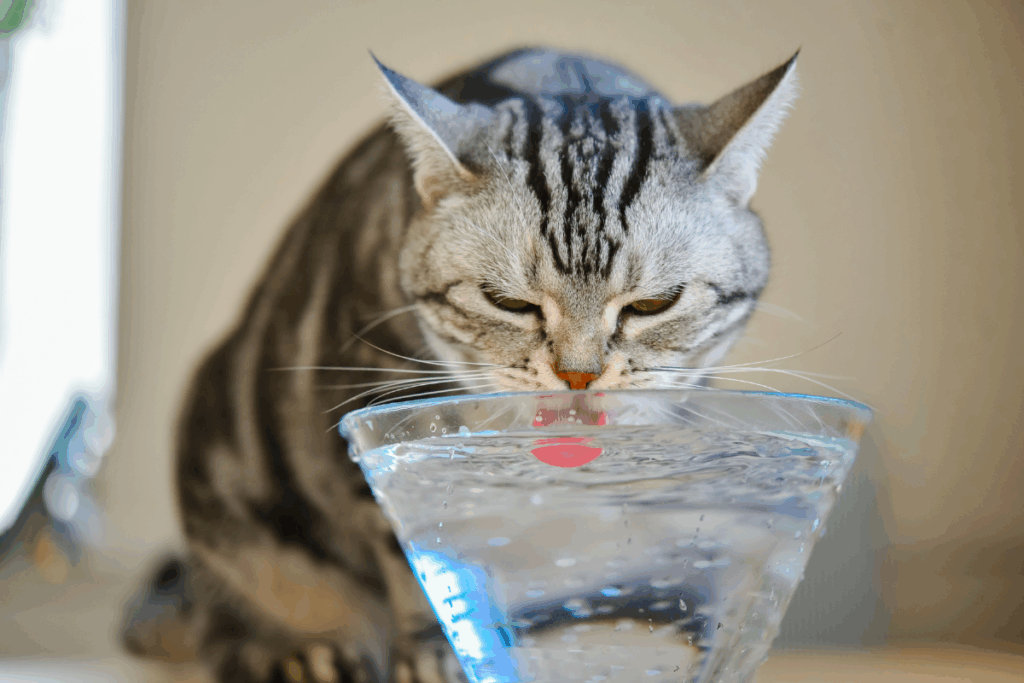
2. Water Away From Food
This preference comes from a cat’s natural instincts. In the wild, cats would not eat prey near water sources to avoid contamination. Domestic cats still carry this preference today.
Encouraging good hydration is especially important, as cats are prone to kidney and urinary problems.
Helpful tips include:
- Place water bowls well away from food
- Offer multiple water stations around the home
- Follow the one bowl per cat plus one extra rule
- Avoid double bowls where food and water sit side by side
- Use shallow, wide glass or ceramic bowls filled close to the top
- Consider water fountains for cats that prefer running water
If your cat eats dry food, having water nearby but not directly next to the bowl can encourage drinking after meals.
3. Shallow, Non-Plastic Food Bowls
Many cats prefer wide, shallow bowls that allow their whiskers to remain relaxed. Ceramic or glass bowls are often best.
Plastic bowls can retain odours that put cats off their food and have been linked to feline acne. Some cats also dislike metal bowls due to reflections or noise.
Cats are solitary feeders and usually prefer:
- Eating alone and out of sight of other pets
- Quiet locations away from busy areas
- Being fed off the floor if possible, as higher positions can feel safer
- Eating overnight when the household is calm
4. Toileting Facilities That Feel Safe
Good litter tray setup is essential for both physical and emotional health. Stress around toileting can contribute to urinary problems, which are common in cats.
Most cats prefer litter trays that:
- Have a litter depth of around 3 cm
- Are large enough to turn around comfortably
- Measure at least 1.5 times the cat’s length from nose to tail base
- Are placed away from food and water
- Are positioned in quiet locations, not near doors, windows, or cat flaps
- Are rectangular rather than corner shaped
Open trays are preferred by most cats, as they feel less confined and allow better awareness of their surroundings. Trays should be scooped at least twice daily and fully cleaned every two to four weeks.
Fine, sand-like litter is often preferred, though individual preferences vary.
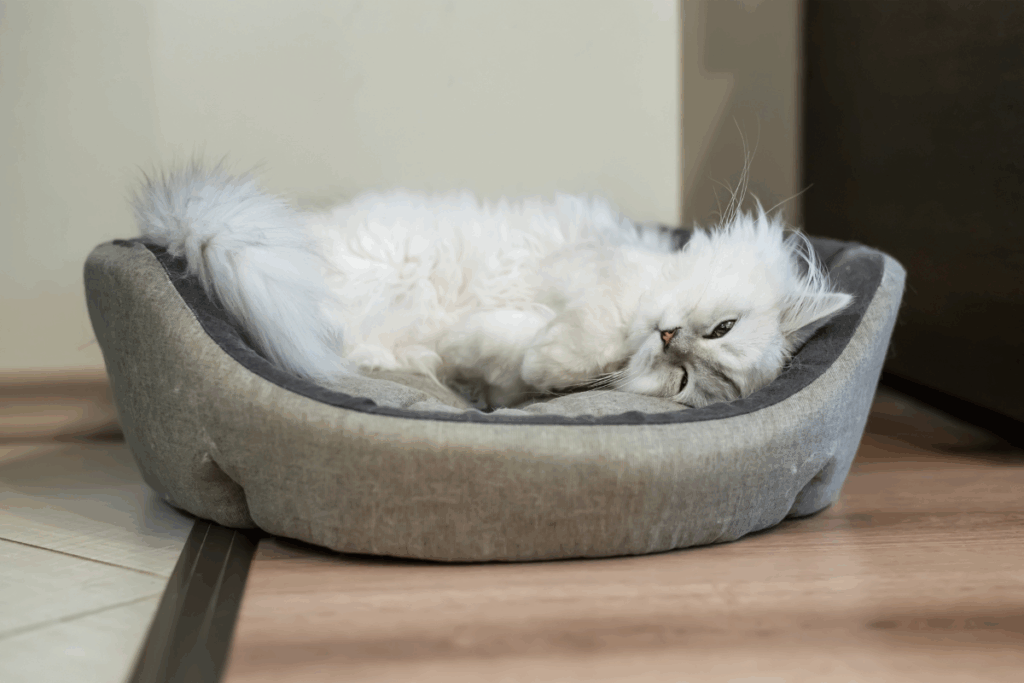
5. Comfortable Beds in the Right Places
Cats sleep for much of the day, so good resting spots matter. Preferences vary widely, but offering choice is key.
Helpful considerations:
- Provide multiple beds in different locations
- Ensure quiet options in busy households
- Offer more than one entry and exit point in multi-cat homes
- Add blankets to human furniture if your cat prefers it
- Place beds where your cat naturally chooses to rest
Some cats like elevated beds, others prefer warmth, sunshine, or quiet corners. Covered beds can provide extra security, while familiar scents help cats feel settled.
6. Scratching Posts That Meet Their Needs
Scratching is essential for claw health, muscle stretching, and scent marking. It also helps cats feel secure in their territory.
Offer:
- Both vertical and horizontal scratchers
- A variety of materials such as cardboard, rope, or carpet
- Tall posts that allow full body stretching
- Multiple scratching areas around the home
Cats will show you what they prefer if given options.
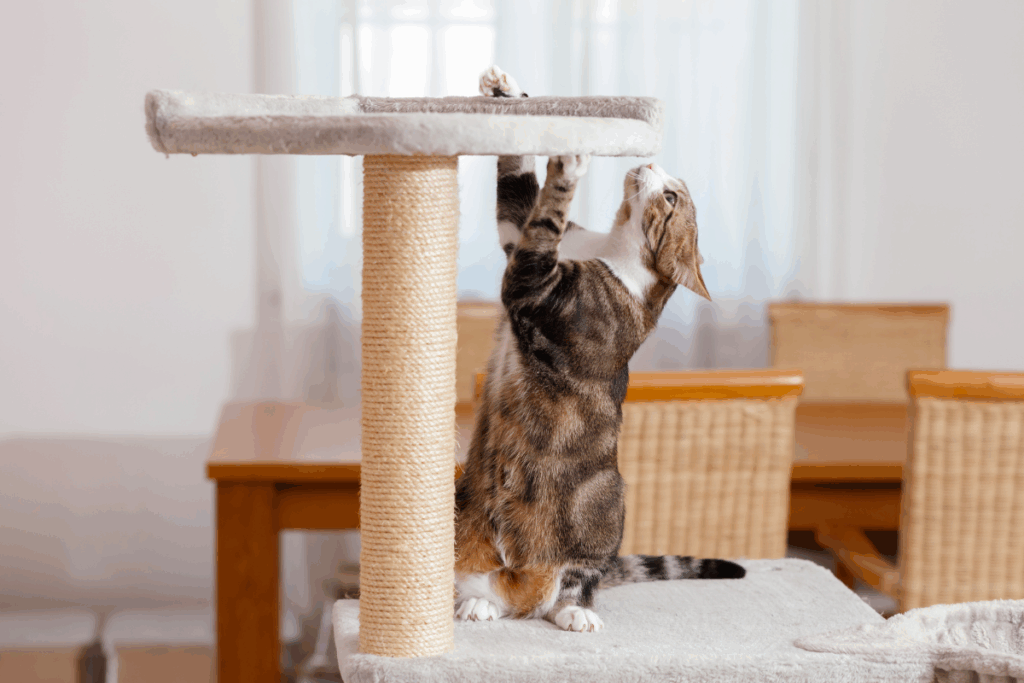
7. High Resting Places
Being up high allows cats to feel safe while observing their surroundings. This is especially valuable in multi-cat homes or busy households. Ensure that all such fixtures are safely installed
Good options include:
- Cat trees or towers
- Shelves with non-slip surfaces
- Furniture tops with safe access and cosy bedding
- Radiator beds, which are often popular with older or arthritic cats
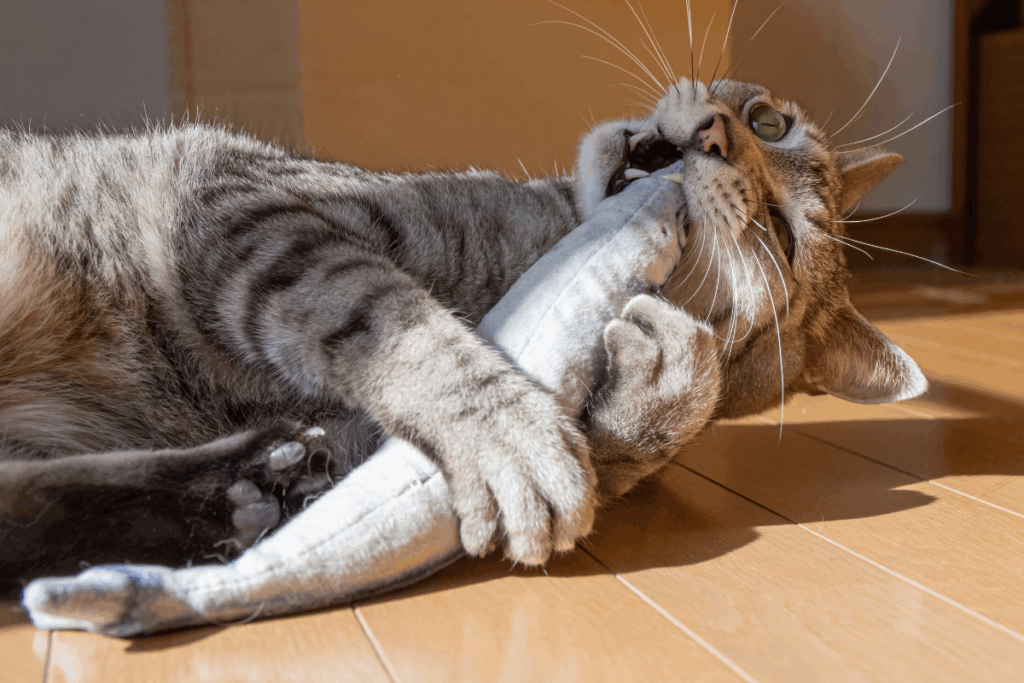
8. Toys and Mental Stimulation
Cats need opportunities to hunt, explore, and problem-solve. Without stimulation, boredom can lead to obesity, stress, and behaviour problems. At this time of year, be careful with cats using Christmas decorations as toys as sometimes they might ingest small pieces, sellotape or ribbons and that could be potentially dangerous. Speak to a vet if this happens.
Most cats enjoy play that mimics hunting:
- Searching
- Stalking
- Chasing
- Pouncing
- Catching and manipulating
Helpful ideas include:
- Rotating toys rather than leaving them out constantly
- Wand toys that move along the ground
- Small prey-sized toys with fur or feathers
- Food puzzles and homemade treat games
- Cardboard boxes for hiding and exploring
- Novel items like safe plants, paper bags, or new textures
- Catnip for cats that respond to it.
9. A Private Place to Retreat
Cats need somewhere quiet and undisturbed where they can retreat when life feels overwhelming.
This could be:
- Under a bed
- Inside a cupboard
- On a quiet shelf with a bed
It is important that everyone in the household understands that this space is off-limits unless there is a health concern.
10. Fresh Air and Outdoor Stimulation
Fresh air provides valuable sensory enrichment, even for indoor cats.
Options include:
- Secure windows with grills
- Enclosed gardens
- Cat-proofed outdoor spaces
- Catios or outdoor enclosures with walkways and hideouts
These options allow exploration and stimulation without the risks of roaming freely.
In Summary
Cats are complex, sensitive individuals with specific emotional and physical needs. Meeting even a few items on their wish list can make a big difference to their wellbeing.
By offering choice, reducing competition, and supporting natural behaviours, you can help your cat feel safer, calmer, and more fulfilled.
If you would like advice tailored to your cat or household, a qualified vet would be happy to help you explore the best options.
Last updated Dec 2025

Vet author: Dr. Ruth Northam
BVSc MRCVS
Ruth is a vet working in collaboration with PawSquad. She has a particular interest in geriatric medicine, pain management and end-of-life care.